
World News
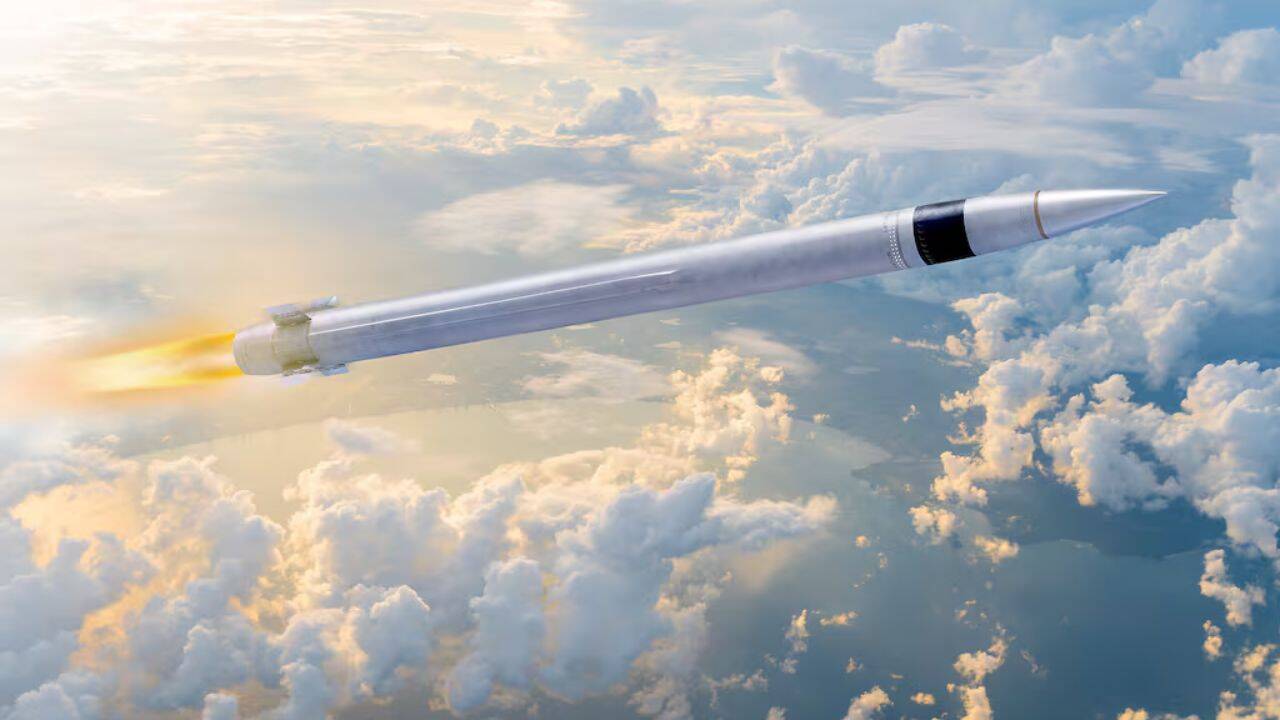
Lockheed unveils new Patriot interceptor to counter hypersonic missiles
Key Points
Lockheed unveils new Patriot interceptor to counter hypersonic missiles Lockheed Martin has announced the development of PAC-3 Edge to enhance missile defense capabilities against hypersonic threats. The interceptor will feature upgraded systems for improved tracking and maneuverability during flight. Current missile defense systems face significant challenges when intercepting hypersonic missiles, which can change trajectories mid-flight.
Lockheed unveils new Patriot interceptor to counter hypersonic missiles
Lockheed Martin has announced the development of PAC-3 Edge to enhance missile defense capabilities against hypersonic threats. The interceptor will feature upgraded systems for improved tracking and maneuverability during flight. Current missile defense systems face significant challenges when intercepting hypersonic missiles, which can change trajectories mid-flight. The company plans to test the new interceptor by 2027 and aims for deployment by 2031.
Lockheed Martin has unveiled PAC-3 Edge, a new interceptor designed to counter hypersonic and other advanced missile threats, as the US races to strengthen its missile defences and replenish stockpiles strained by ongoing conflicts.The new weapon aims to improve the Patriot missile defence system’s ability to engage difficult targets at longer ranges and higher altitudes.According to Reuters, PAC-3 Edge features a new seeker, upgraded flight controls and a multi-pulse rocket motor supplied by Northrop Grumman.These upgrades are intended to improve the interceptor’s ability to track and engage advanced aerial threats, including hypersonic weapons.Lockheed Martin expects the new interceptor to cost roughly the same as its existing Patriot Advanced Capability-3 Missile Segment Enhancement (PAC-3 MSE), the report said.The interceptor is being developed under the US Army’s competitive Future Interceptor programme, with Lockheed Martin targeting testing in 2027 and deployment in 2031. The programme reflects Washington’s push to develop defences capable of dealing with increasingly sophisticated missile threats.
End of Article