
Health
Brisbane homeowner revives warranty claim after defects led to $500,000 estimate
Key Points
A Brisbane homeowner has won a significant legal battle after a construction regulator rejected his claim for a property plagued by serious structural defects, reopening the possibility of compensation for repairs estimated at more than $500,000. However, the outcome may still leave him facing a substantial financial burden. According to The Courier-Mail and realestate (dot) com, which reported the Queensland Civil and Administrative Tribunal’s decision, Anton Ady’s claim against the...
A Brisbane homeowner has won a significant legal battle after a construction regulator rejected his claim for a property plagued by serious structural defects, reopening the possibility of compensation for repairs estimated at more than $500,000. However, the outcome may still leave him facing a substantial financial burden. According to The Courier-Mail and realestate (dot) com, which reported the Queensland Civil and Administrative Tribunal’s decision, Anton Ady’s claim against the Queensland Building and Construction Commission (QBCC) was rejected over a procedural issue. The tribunal overturned that decision and sent the matter back to the regulator for reassessment. The QBCC’s published guidance confirms that its home warranty scheme generally provides up to $200,000 in standard cover, rising to $300,000 where eligible homeowners have purchased optional additional protection.
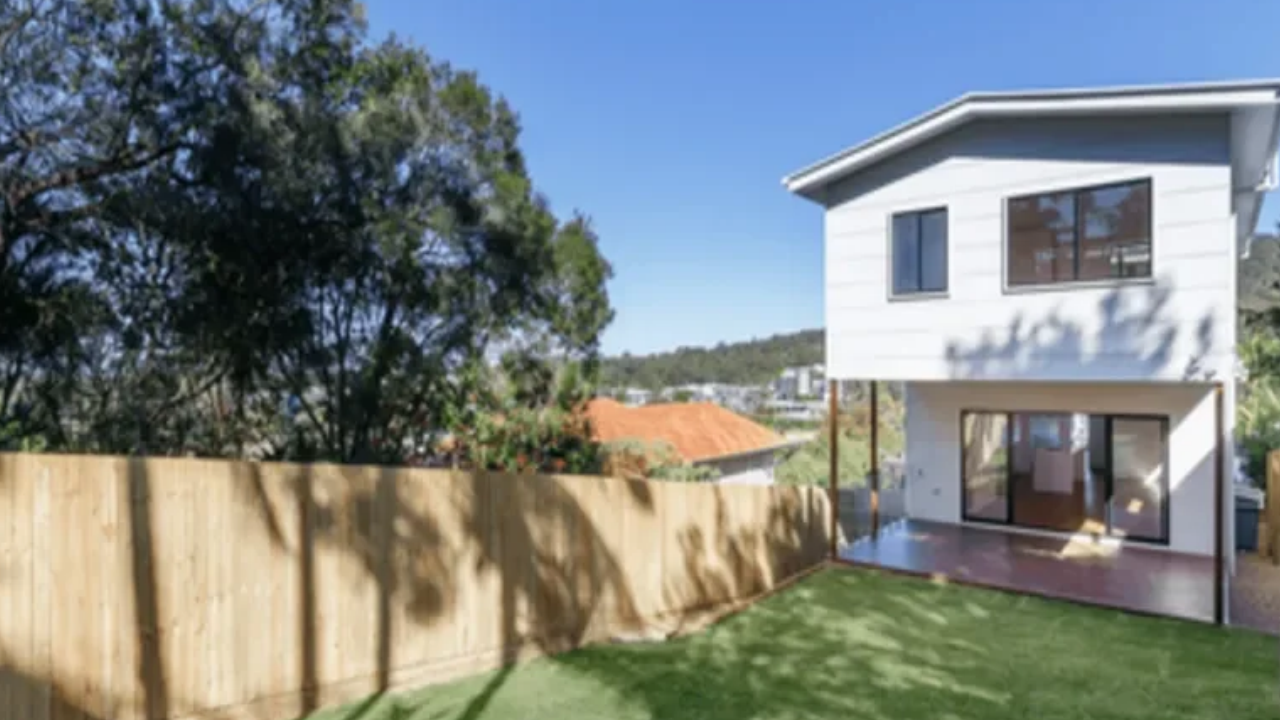
Ady bought the Brisbane property on April 15, 2021. The house had been built by Classy Homes Pty Ltd during the pandemic, but subsequent engineering investigations identified multiple problems affecting the site’s stability and the building’s foundations.
The builder later entered liquidation and its licence was cancelled, leaving Ady to seek assistance through Queensland’s statutory home warranty scheme.
Nine defects raised serious structural concerns
An independent engineering assessment identified nine major defects, according to the tribunal findings reported by The Courier-Mail. These included deep voids beneath footpath slabs, where supporting materials had washed away and left gaps reaching approximately 550 millimetres.
The assessment also identified failing retaining walls and boundary fences, movement in the deck, inadequately braced steel piers beneath the house and unstable soil around the main foundation supports. The combination of these problems raised concerns about further structural damage and the possibility of land movement. Repair estimates reportedly exceeded $500,000, covering the work needed to stabilise the site and reconstruct the foundations.
With the original builder no longer operating, the homeowner turned to the QBCC for help under the Queensland Home Warranty Scheme, which provides a statutory safety net for eligible residential construction claims when licensed builders fail to complete work or rectify covered defects.
Tribunal challenges regulator’s decision
The dispute centred not only on the condition of the house but also on how Ady’s claim had been submitted. The QBCC had rejected the claim because he had not lodged its official online complaint form. However, Ady had previously provided engineering reports during legal proceedings in May 2023, setting out the defects affecting his property.
The tribunal found that the information already supplied could satisfy the relevant statutory notification requirements. It rejected the argument that the absence of a particular form was sufficient grounds to dismiss the claim, emphasising that the regulator needed the information required to assess the matter. The tribunal also preferred the independent engineer’s evidence on structural issues over the assessment of a QBCC building inspector. Its decision means the regulator must reconsider the claim rather than rely on the original procedural rejection.
The ruling does not, however, amount to an award covering the full repair bill. The QBCC has acknowledged the decision and said it is considering the matter, but a final resolution date has not been provided.
Compensation may fall short of repair costs
Even if Ady’s claim is accepted, statutory limits could prevent him from recovering the full amount required to repair the property. Standard cover for eligible defective-work claims is generally capped at $200,000. Homeowners who have purchased optional additional cover within the prescribed period may qualify for a higher limit of $300,000. Against an estimated repair bill exceeding $500,000, even the higher limit could leave a shortfall of more than $200,000, depending on the final approved claim and repair costs.
Against an estimated repair bill exceeding $500,000, even the higher limit could leave a shortfall of more than $200,000, depending on the final approved claim and repair costs. The scheme is designed as a statutory safety net rather than comprehensive home insurance. Its limits mean that a successful claim does not necessarily guarantee full reimbursement for extensive structural damage. For Ady, the tribunal’s decision removes a procedural obstacle and gives his claim another chance. But until the QBCC completes its reassessment and determines the amount payable, the final cost of saving his home remains uncertain.