
UK News
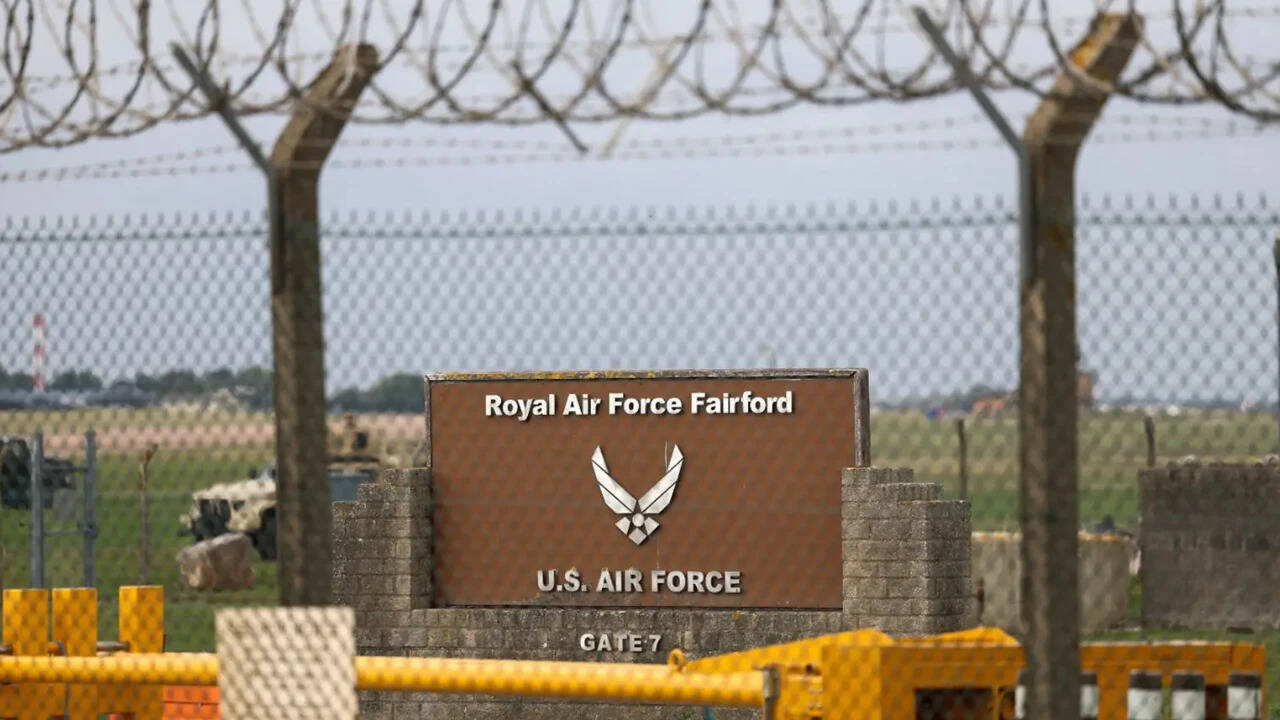
Iran seeking to expand attacks in UK to military sites, MI5 chief warns
Key Points
Iran is seeking to expand its attacks in Britain to include military installations, with the suspected plot against the US-run RAF Fairford air base in September being “not unique”, MI5 chief Ken McCallum said on Tuesday. Speaking in his annual assessment of threats to the UK, the head of Britain's domestic security service said Tehran was increasingly looking beyond its traditional targets, including Iranians opposed to the country's Islamic authorities, to strike more difficult targets...
Iran is seeking to expand its attacks in Britain to include military installations, with the suspected plot against the US-run RAF Fairford air base in September being “not unique”, MI5 chief Ken McCallum said on Tuesday.
Speaking in his annual assessment of threats to the UK, the head of Britain's domestic security service said Tehran was increasingly looking beyond its traditional targets, including Iranians opposed to the country's Islamic authorities, to strike more difficult targets such as military sites.
“The RAF Fairford incident ... is not unique. There have been other examples, not just in the UK but around the world,” McCallum said, according to Reuters.
The comments came as British detectives continued investigating the suspected plot against RAF Fairford in western England, which has been used by US bombers to carry out strikes on Iran during this year's war.
Security alert at RAF Fairford
The suspected plot triggered a major security operation on September 27, when scores of residents were evacuated from their homes near the air base as armed police officers and army bomb-disposal experts moved into the area.
Police later said they had found a quantity of gasoline, described as an accelerant, in three vans at the site. No explosives were found.
British authorities have linked Tehran to the incident, which prompted the US to withdraw its bombers from RAF Fairford.
Prime Minister Andy Burnham said on Monday that the suspected plot was “almost certainly” directed by Iran's Revolutionary Guard.
Earlier, he said that Tehran was “highly likely” to have been behind the suspected plot.
Seven men in their 20s have been arrested and released on bail under investigation.
McCallum said he could not comment on the Fairford incident because the investigation was ongoing. He nevertheless pointed to a broader shift in Iran's activities.
“A major shift this year has been Iranian ambitions to come at harder targets, like military sites,” he said.
McCallum also referred to arson and sabotage attacks on Jewish sites in Britain, which the UK has attributed to Iranian proxies. I
ran has denied involvement in the suspected Fairford plot, although it has previously said it considers any military base used to attack its territory a legitimate target.
MI5 flags Russia's activities and AI threats
McCallum also warned about Russia's activities against Britain and its allies, describing Moscow as the leading state aggressor, according to Reuters.
He said Russia was escalating its use of hybrid warfare against countries supporting Ukraine, employing tactics that fall short of conventional military conflict. He cited an attempted drone attack on a cargo plane at a German airport and a cyber attack on Polish energy infrastructure as examples.
“It's no accident that Russian aggressors are trying to unsettle other European homelands at a time when their military progress in Ukraine is minimal and horrifically costly,” McCallum said, according to Reuters.
Russia has denied involvement in hostile acts in Britain.
The MI5 chief also said state threats had quadrupled over the past decade, leaving the agency devoting more resources to them than during the Cold War.
He identified the potential misuse of artificial intelligence as another major security concern, particularly the risk that terrorists could use the technology to develop biological weapons or create new pathogens.
McCallum's assessment outlined a range of threats facing Britain as authorities investigate the suspected Iranian plot and monitor hostile activities attributed to foreign states.