
Business & Finance
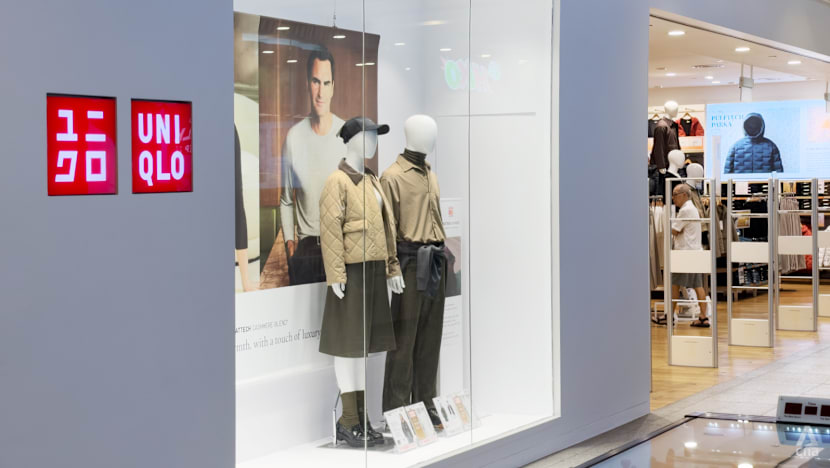
As luxury fashion loses its shine, Uniqlo and Zara are winning over shoppers
Key Points
As luxury fashion loses its shine, Uniqlo and Zara are winning over shoppers Years of relentless price hikes have pushed some shoppers away from luxury brands like Louis Vuitton and Gucci. Now, mid-market fashion players such as Uniqlo and Zara are reaping the rewards. After years of price hikes, luxury brands have pushed their luck a little too far.
As luxury fashion loses its shine, Uniqlo and Zara are winning over shoppers
Years of relentless price hikes have pushed some shoppers away from luxury brands like Louis Vuitton and Gucci. Now, mid-market fashion players such as Uniqlo and Zara are reaping the rewards.
After years of price hikes, luxury brands have pushed their luck a little too far. Customers who can no longer stretch to Louis Vuitton and Gucci are taking their money elsewhere: fashion’s mid-market, where brands like Uniqlo and Zara are having a moment.
While LVMH’s sales slid more than the market expected in recent months, Uniqlo’s are going gangbusters. Its parent Fast Retailing increased revenue by almost a fifth in the year to the end of August, beating its own recent pace of expansion. Even Gap, the nineties mall staple, is back in vogue thanks to the growth of more upmarket Gap Studio. The fastest growth in apparel comes from the mid-market segment, according to McKinsey.
That’s an unusual state of affairs. Mid-market fashion, broadly defined as apparel worth between US$50 (S$64) and US$300, has suffered — alongside mid-market hotels and mid-market restaurants — from being less alluring than luxury brands and more expensive than the pile-em-high brigade. But luxury maisons have miscalculated and hiked prices more than their customers can stomach. A fifth of them, presumably those for whom a Lady Dior bag is an indulgence rather than a staple, have deserted high-end stores since 2022, according to analysis by Bain & Co.
Those shoppers are a golden opportunity for the upwardly mobile mid-market brand. In an attempt to woo them, Uniqlo has launched a collaboration with JW Anderson, the luxury label founded by current Dior director Jonathan Anderson, while Mango has turned to Victoria Beckham. Selling prices at both Uniqlo and Zara are going up as are gross margins, a proxy for a brand’s pricing power.
Can luxury win back the customers it priced out? Investors seem to think not: five years ago, Fast Retailing’s premium to LVMH was roughly a third, on a forward price-to-earnings basis. Now, it is well over double, according to S&P Capital IQ.
That reflects the fact that for luxury companies, raising prices is easier than cutting them. Those already at the more affordable end of the market, like Burberry, may be able to flex their prices down a little, but for anyone charging £10,000 (US$13,268; S$17,000) for a handbag, the merest hint of discounting would be perilously brand-destructive.
Luxury’s last refuge might be to emphasise quality: workmanship and allure, as well as just culture and cachet, are part of what has in the past justified a premium price. But there is now less to differentiate the storied maisons from those snapping at their heels. Customers who look to Zara for catwalk looks or cherish their Uniqlo slacks may never turn back. For many fashionistas, what used to connote elite status now just signifies a whacking great price tag.
© 2026 The Financial Times Ltd.
This article originally appeared in The Financial Times.