
Science
Glasgow dig uncovers wall torn down by residents in 1823 riverside access fight
Key Points
More than 200 years after a group of Glasgow residents tore down a wall that prevented them from walking along the River Clyde, archaeologists have uncovered remains linked to the confrontation. According to Scottish News, the discovery was made at Harvie’s Dyke in Dalmarnock, in Glasgow's East End, where a wealthy distiller had built walls around his property in the early 1820s. The dispute began when Thomas "Lang Tam" Harvie, a wealthy whisky distiller, purchased the Westthorn estate on...
More than 200 years after a group of Glasgow residents tore down a wall that prevented them from walking along the River Clyde, archaeologists have uncovered remains linked to the confrontation. According to Scottish News, the discovery was made at Harvie’s Dyke in Dalmarnock, in Glasgow's East End, where a wealthy distiller had built walls around his property in the early 1820s.
The dispute began when Thomas "Lang Tam" Harvie, a wealthy whisky distiller, purchased the Westthorn estate on the eastern edge of Glasgow. He built two large walls around the property, including one that extended towards the River Clyde and blocked a route that local workers and residents had used for years.
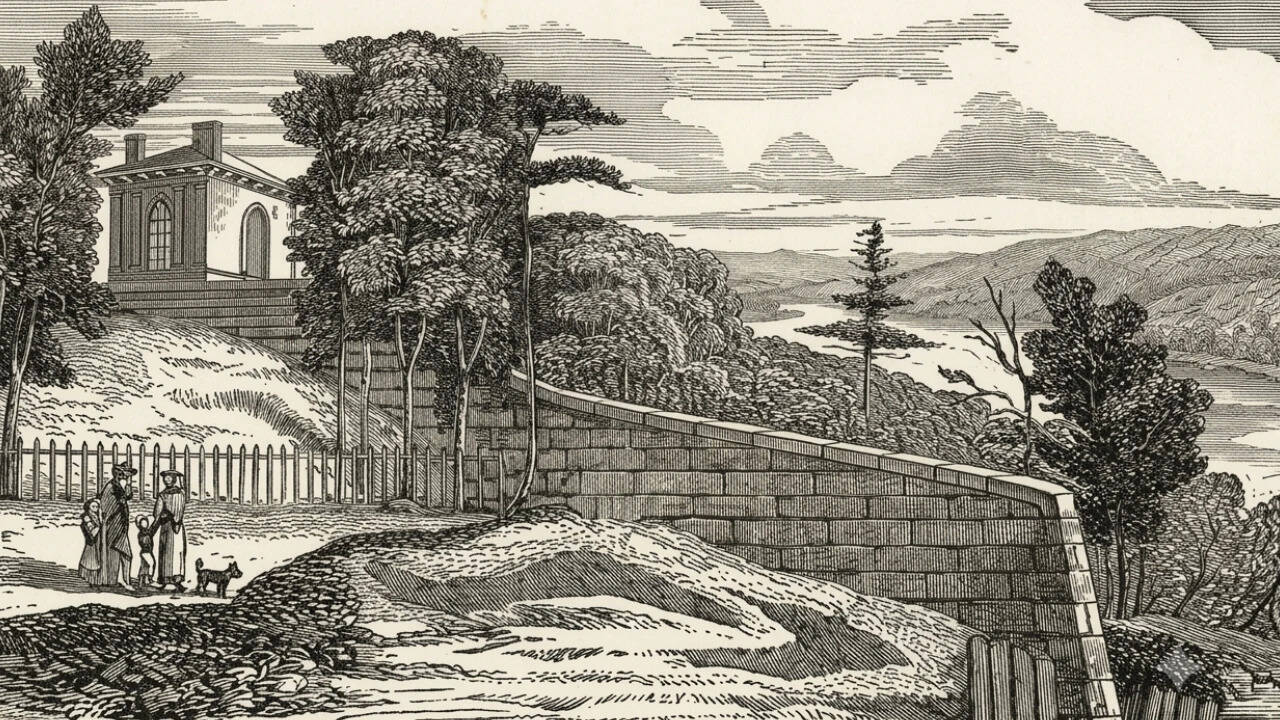
According to historical accounts, the larger wall stood approximately 12 feet high and was protected by iron spikes and broken glass. A section of the structure also had a watchtower equipped with small cannons. The construction angered nearby communities, particularly colliers and other workers who regularly travelled along the riverside path.
On Midsummer's Eve in 1823, a large crowd gathered and began pulling down the wall.
Authorities sent cavalry to control the disturbance, and dozens of people were arrested. Some were later imprisoned. Although Harvie rebuilt the walls, the incident led to a legal battle that continued for six years. Now, archaeologists investigating the site have found physical evidence connected to the structures at the centre of that dispute.
A 1791 token and remains of old structures
The discoveries were made during the Digging the Dyke project, which brought together Glasgow Building Preservation Trust, Glasgow City Council, Glasgow Life, Archaeology Scotland and historian Professor Chris Whatley of the University of Dundee.
Researchers examining the location of the demolished eastern wall uncovered several objects, including a rare Glasgow trade token dating to 1791. The token carries the city's motto, "Let Glasgow Flourish".
According to Archaeology magazine, researchers believe the token may have been deliberately buried at the site by protesters. However, this remains a possibility rather than a confirmed explanation for how it reached the location.
The excavation also revealed mortar, floor surfaces, roofing slate and fragments of plaster. Archaeologists believe these materials could have come from a fortified summerhouse that once stood overlooking the riverside pathway.
Historical illustrations show a structure of this kind forming part of the property's defences. The newly discovered building materials may therefore help researchers understand what stood at the site during the confrontation.
Although much of Harvie's Dyke was demolished, a surviving section of the wall can still be seen at Thorndyke Lane in Glasgow's East End.
The excavation also revealed a rare 1791 trade token bearing the city's motto, "Let Glasgow Flourish".
How the dispute reached the House of Lords
The destruction of the wall in 1823 did not immediately restore public access to the river. Harvie rebuilt the structures, and the disagreement developed into a prolonged legal dispute over whether residents had the right to continue using the established pathway.
The case eventually reached the House of Lords, which ruled in 1828 in favour of those defending public access to the riverbank. The ruling recognised what became known as the "liberties of the banks of the Clyde".
The outcome was celebrated across Glasgow. Songs, poems and commemorative medals marked the campaign and the success of those who had challenged the landowner.
Harvie's whisky was also boycotted, while the lengthy legal proceedings reportedly consumed much of his fortune. He eventually became bankrupt and died in poverty around a decade later.
Despite its importance at the time, the confrontation gradually disappeared from popular memory.
400 plus people take part in project
The recent excavation was accompanied by public activities intended to bring the history of Harvie's Dyke to a wider audience.
More than 400 people visited the excavation or participated in related walks, talks, tours and performances organised as part of the 2026 Glasgow Doors Open Days Festival.
Professor Chris Whatley, who examined the dispute in his 2025 book Harvie's Dyke: The People, their Liberty and the Clyde, has described the confrontation as a victory for ordinary Glasgow residents against a landowner who refused to compromise.
Glasgow (LOCATION)
the River Clyde (LOCATION)
Scottish News (ORG)
Harvie’s Dyke in Dalmarnock (LOCATION)
East End (LOCATION)
Thomas (PERSON)
Westthorn (LOCATION)
Harvie (PERSON)
Dyke (PERSON)
Glasgow Building Preservation Trust (ORG)
Glasgow City Council (ORG)
Glasgow Life, Archaeology Scotland (ORG)
Chris Whatley (PERSON)
the University of Dundee (ORG)
Archaeology (ORG)