
Breaking News
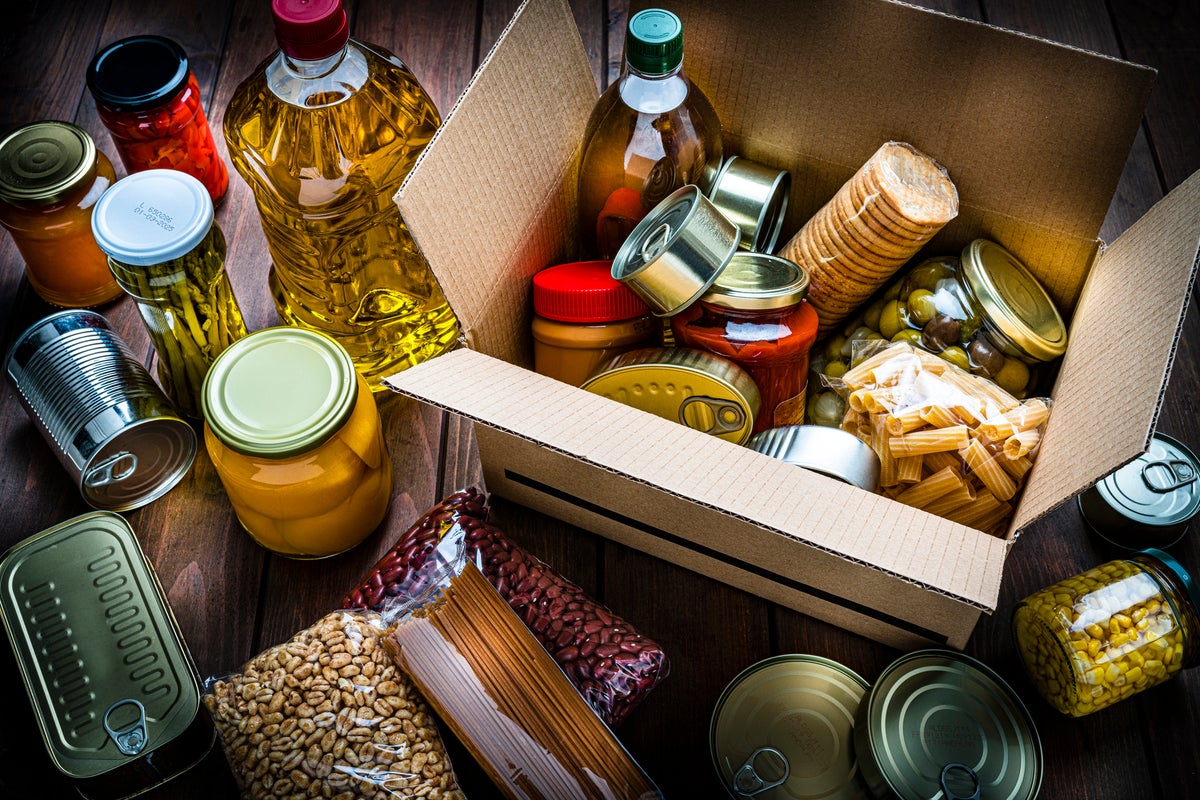
What to keep in your emergency food kit, according to a nutritionist
Key Points
What to keep in your emergency food kit, according to a nutritionist Nutritionist Rhiannon Lambert reveals how she would make an emergency stock that’s shelf-stable, nutrient-dense and that needs little or no preparation - Bookmark - CommentsGo to comments Become an Independent member to bookmark this article Already a member? Log in How would you prepare for an emergency? Should you pack tins of beans, tuna, bottled water, a wind up torch, maybe some cash?
What to keep in your emergency food kit, according to a nutritionist
Nutritionist Rhiannon Lambert reveals how she would make an emergency stock that’s shelf-stable, nutrient-dense and that needs little or no preparation
- Bookmark
- CommentsGo to comments
Become an Independent member to bookmark this article
Already a member? Log in
How would you prepare for an emergency? Should you pack tins of beans, tuna, bottled water, a wind up torch, maybe some cash?
Nutritionist Rhiannon Lambert is urging people to also store food that contains enough protein, fibre, vitamins and minerals.
Defence Secretary Wes Streeting, has said all UK households should keep small supplies of cash, bottled water and tinned food at home in case of emergency or war.
He said Britain faces a growing threat of being disrupted by fires, floods, and enemy attacks, including cyber warfare.
Best-selling author and nutritionist Rhiannon Lambert has revealed how she would make an emergency stock that’s shelf-stable, nutrient-dense and that needs little or no preparation.
What food should go in the emergency kit?
Ms Lambert’s top choices include:
- Tinned beans, chickpeas and lentils
- Tinned oily fish (sardines, salmon, mackerel)
- Oats and wholegrains (porridge oats, wholegrain crackers)
- Tinned fruit (in juice) and vegetables (without added salt)
- Nuts, seeds and nut butters
- Long-life (UHT) milk and/or fortified plant-based alternatives
Why would these foods be helpful in an emergency situation?
Without water or gas, these foods are shelf-stable, nutrient-dense and require little or no preparation, Ms Lambert explained.
Tinned pulses and beans are an excellent source of plant-based protein and dietary fibre, helping to support muscle maintenance, digestive health and importantly keep people feeling fuller for longer.
“They provide iron, folate, magnesium and potassium, which contribute to normal energy metabolism, red blood cell formation and muscle function,” she said.
Tinned fish is also packed with vital nutrients. Sardines, salmon and mackerel contain high-quality protein and all the essential amino acids needed for muscle maintenance, tissue repair and normal physiological function.
They also contain omega-3 fatty acids which contribute to normal heart function, B12 which is needed for red blood cell formation and vitamin D which supports immune function and bone health.
Plus, like beans, tinned fish can be eaten straight from the can and require no cooking.
Porridge oats and wholegrain crackers are products that have a long shelf life that can provide carbohydrates without the need for boiling water or cooking — unlike rice and pasta.
When fresh produce is unavailable Ms Lambert suggests eating tinned fruit and vegetables. She explained vegetables such as carrots, tomatoes, sweetcorn and spinach can provide nutrients including beta-carotene, potassium and folate, while tinned fruits can contribute vitamin C.
But she stressed to buy fruit canned in juice rather than syrup and vegetables without added salt where possible to help limit excess free sugars and salt.
Nuts are energy-dense, providing a high calorie meal in relatively small portions, Ms Lambert said. Nuts and seeds, or even peanut butter can provide protein and fibre and a range of vitamins such as vitamin E in almonds and magnesium and zinc in pumpkin seeds.
Although fresh milk wouldn’t last long in a power cut, long-life (UHT) milk and/or fortified plant-based alternatives can be kept at room temperature before opening. It’s a useful source of high-quality protein, calcium, vitamin B12 and iodine, nutrients important for maintaining muscle mass, bone health, neurological function and normal thyroid function.
What foods didn’t make the list?
Foods that require substantial cooking time or water are a no-go, Ms Lambert said.
“Although dried rice, pasta and pulses are affordable cupboard staples, they wouldn’t be the foods I’d prioritise in an emergency where access to clean water, electricity or cooking facilities may be scarce. Dried pulses in particular can require prolonged soaking and cooking before they are safe to eat,” she said.
She would also leave out supplements or meal replacement products and said they shouldn’t be relied upon as the foundation of an emergency food supply.
“Supplements cannot fully replicate the nutritional complexity of a varied diet, and prioritising familiar, satisfying foods can also help maintain normal eating patterns during periods of uncertainty,” Ms Lambert added.
“A well-stocked emergency cupboard doesn’t need to be expensive or complicated. The emphasis should be on familiar, affordable and nutritious foods. Choosing products that are already part of the household’s usual diet and rotating supplies regularly, helps minimise food waste while ensuring that nutritious options remain available if normal routines are disrupted,” she added.
Join our commenting forum
Join thought-provoking conversations, follow other Independent readers and see their replies
Comments