
Technology
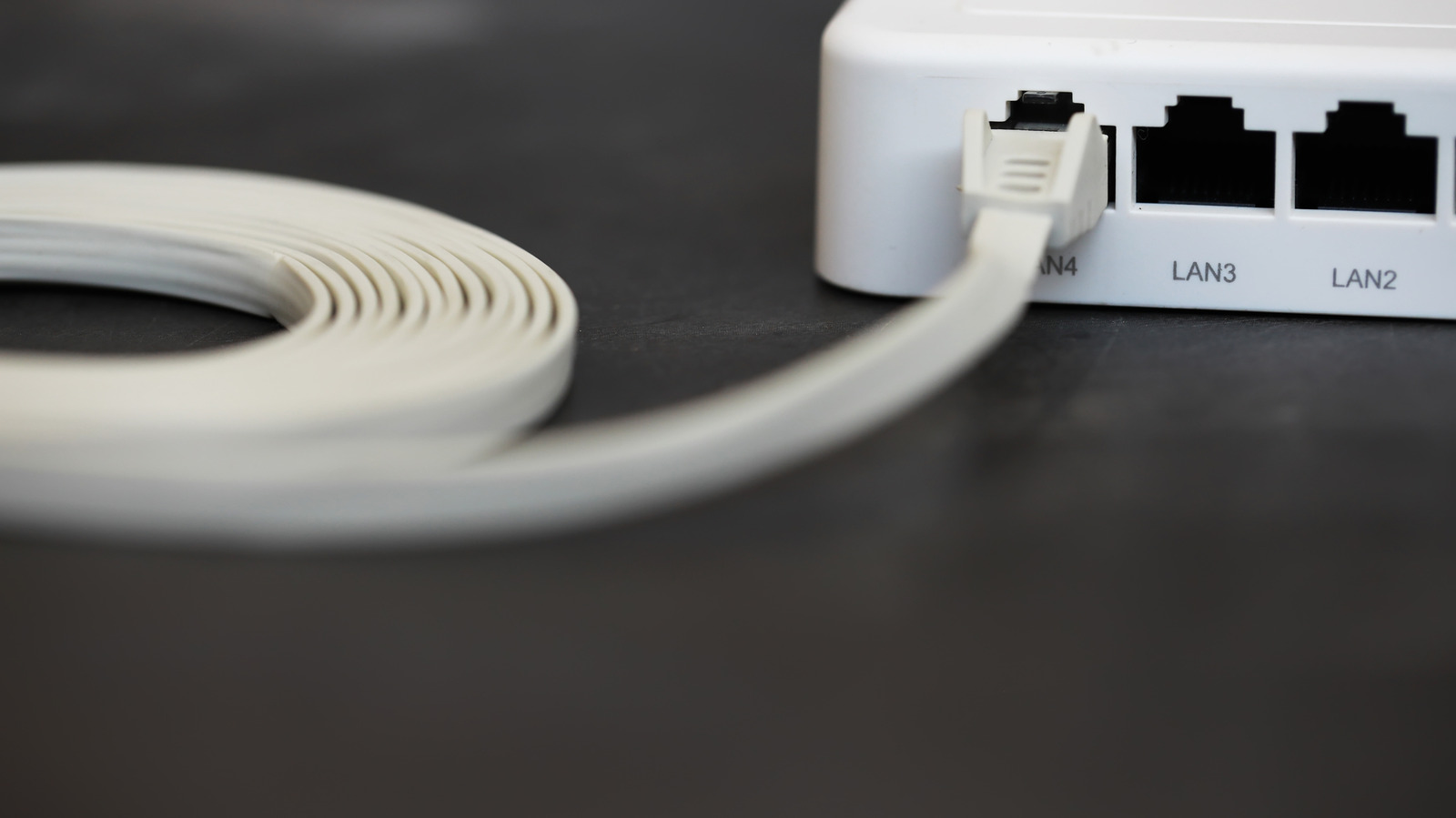
Flat Ethernet cables probably aren't the answer to your home networking problem
Key Points
Flat Ethernet cables probably aren't the answer to your home networking problem For the most reliable performance, round cables are generally superior. Unless you're relying entirely on Wi-Fi, chances are you've had to wrangle an unsightly mess of Ethernet cables at some point in your life. One way to make your home internet setup a little easier on the eyes is to use flat Ethernet cables, which have become much more popular in recent years.
Flat Ethernet cables probably aren't the answer to your home networking problem
For the most reliable performance, round cables are generally superior.
Unless you're relying entirely on Wi-Fi, chances are you've had to wrangle an unsightly mess of Ethernet cables at some point in your life. One way to make your home internet setup a little easier on the eyes is to use flat Ethernet cables, which have become much more popular in recent years. Flat Ethernet cables can be easily bent and hidden from sight, making it possible to wire a home for internet without causing an eyesore.
But before you trade out all your chunky old Ethernet cables for aesthetic flat ones, there are a few tradeoffs you should be aware of that might not be obvious at first. While round and flat Ethernet cables rated for the same speed will have nearly identical performance under perfect conditions, the real world is full of complications that often make round cables a better choice even if they don't look quite as good. It all comes down to why Ethernet cables are round in the first place and what it takes to turn them into that more pleasing flat shape.
Does a flat Ethernet cable affect speed?
Standard Ethernet cables consist of multiple sets of wires twisted into pairs, with each pair then twisted around each other. The twisting actually serves an important purpose, preventing the signal running through one pair of wires from interfering with the others, which could cause slow internet speeds and unstable connections. Flat Ethernet cables still contain twisted pairs of wires, but those pairs are laid out in a line, which makes them more susceptible to interference from each other. Some round Ethernet cables include additional shielding to prevent interference from outside devices, which typically isn't available in flat cables.
Another potential problem comes from the gauge, or thickness, of the wires inside Ethernet cables. To ensure that flat cables are as thin as possible, manufacturers typically use a thinner gauge wire than is used in round cables. The thinner a wire is, the more resistance the electricity traveling through it faces, meaning flat Ethernet cables can actually degrade signals over a long enough distance.
While the technical specifications of Ethernet make flat cables a dicey choice, the real problem comes from how they tend to be used. Flat Ethernet cables are easy to bend around corners, run under doors, and hide beneath rugs, but all of these applications make them much more likely to fail. Bending any cable or repeatedly compressing it under a door can end up damaging the wires within, no matter what shape it's in. The thinner wires in flat Ethernet cables make them more fragile, and since they're laid out in a row, they lack even the slight cushioning that the shape of round cables can offer.
Are flat Ethernet cables any good?
While there are real drawbacks to using flat Ethernet cables, that doesn't necessarily mean that they should be avoided at all costs, and there are some circumstances where using them makes a lot of sense in a home setup. If you absolutely need to run a cable under a door or through another space too narrow to fit a round cable, using a flat cable may be your only option, especially if you're renting and can't make big changes to your living space. It may also be worth the risk to use flat cables you can hide under rugs if the alternative is turning your office into a rat's nest of visible wires.
If you absolutely need the fastest, most reliable connection, round Ethernet cables are almost always going to be the best choice. Where that's not necessary or possible, though, flat cables can work fine as long as you know their limitations. The increased risk of interference and signal degradation introduced by flat cables only really comes into play when you're using cables of considerable length, so it's best to opt for round cables there, too. But over short distances where you don't need to bend a cable to get it into place, flat Ethernet cables will still do the job.
[Image text:] IN4
LAN3
LAN2