
UK News
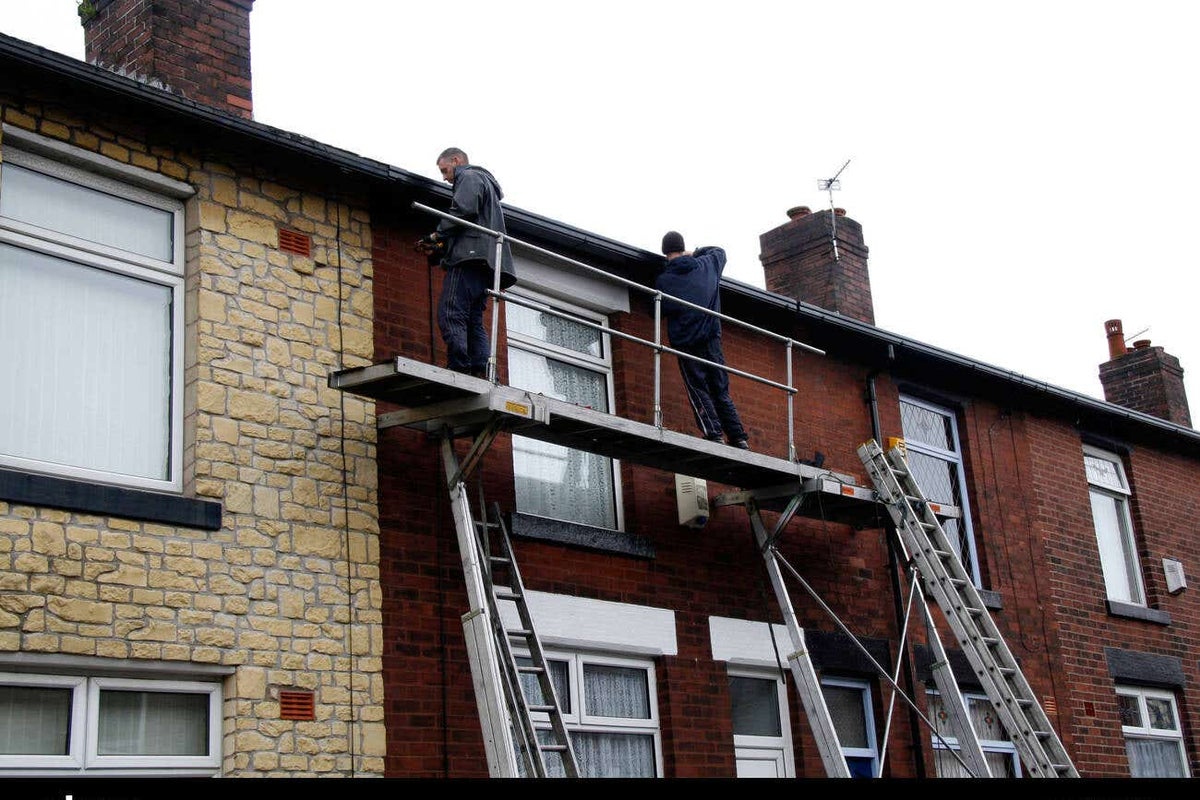
The number one scam targeting UK households, according to Citizens Advice
Key Points
The number one scam targeting UK households, according to Citizens Advice Citizens Advice found fraudster roofers used doorstep sales tactics in 77 per cent of cases reported - Bookmark - CommentsGo to comments Become an Independent member to bookmark this article Already a member? Log in Scam roofers are targeting vulnerable people on their doorstep and charging thousands of pounds to fix non-existent problems. Suspected roofing scams were the top scam the Citizens Advice Consumer Service...
The number one scam targeting UK households, according to Citizens Advice
Citizens Advice found fraudster roofers used doorstep sales tactics in 77 per cent of cases reported
- Bookmark
- CommentsGo to comments
Become an Independent member to bookmark this article
Already a member? Log in
Scam roofers are targeting vulnerable people on their doorstep and charging thousands of pounds to fix non-existent problems.
Suspected roofing scams were the top scam the Citizens Advice Consumer Service saw in the last year, making up 10 per cent of goods or service complaints flagged as scams.
Scam traders have been reported to be disappearing with money, tricking their victims into paying when no work has been carried out and inventing issues. They use aggressive sales tactics and leave victims feeling intimidated and overcharged.
“Criminals invent urgent problems that are difficult for homeowners to verify, then use intimidation and pressure to extract thousands of pounds,” Lord Bichard, Chair of National Trading Standards, said.
“Victims can lose life savings in a matter of hours and be left with damaged homes, financial hardship and a profound sense of vulnerability long after the criminals have gone.”
What is the scam?
Citizens Advice found fraudster roofers used doorstep sales tactics in 77 per cent of cases reported. But in some instances fraudsters look for victims online.
Charlotte, 65, lives alone in north east England was one of 9,000 who fell victim to scammers. She was targeted by rogue roofers last winter after posting an advert on a platform designed to connect consumers with quality traders.
“I was afraid, two men in front of me in the dark, demanding money and making it clear they weren’t moving. They knew I was alone, I didn’t feel like I could deal with anything that might happen after, so I paid £3,500,” said 65-year-old Charlotte, who is one of 9,000 who fell victim to scammers.
She reported a minor problem - a dripping sound from her gutters when it rained. Two men responded to her post online saying they could come that day to service and repair the gutters for £250.
But once the roofers arrived and inspected the issue they raised the price to £2,500 claiming that if Charlotte did not fix this issue rain would cause even more damage.
“They came at 4pm and went to the back of the house with lamps and ladders. They rang the door 20 minutes later, and said water was splashing out of the gutters and damaging the wood underneath the roof - that I needed ‘eave protection’ or the rain would cause more damage,” she said.
“They said they could do the work now for £2,500, and that other companies would charge me almost double. They said I should do it because it was very rainy and the rain would damage my house more, so I agreed.
“An hour later they said it was sorted, but they’d found another problem. They showed me a little bucket full of cement, saying it was crumbling under the tiles and there would be leaks if I didn’t get it sorted now.
“The next day there was no trace that any work was done. I felt stupid, and tried to contact them, but couldn’t get through.”
Charlotte called Citizens Advice for help, and dealt with Trading Standards and the Financial Ombudsman Service, in efforts to resolve the issue and eventually secure a refund from her bank.
She also received £800 in compensation from the online platform she used to post the ad.
Charlotte was told the traders were previously expelled from the site - but had re-registered under a different name and address.
How to avoid a trading scam
Before agreeing to let any trader work on your home you should check if the person offering to do the job is a genuine trader.
Citizens Advice urges people to be wary of anyone offering to deliver unsolicited work, either by knocking on your door or calling you on the phone.
Ask for references and make sure you get everything in writing, including details of any work you agree. Be wary of traders who won’t put anything in writing, only accept cash or want you to pay everything upfront.
To see if a trader is reputable, you can check your local council's website as it often lists trusted traders. The government runs the TrustMark scheme which lists approved tradespeople.
Join our commenting forum
Join thought-provoking conversations, follow other Independent readers and see their replies
Comments