
Environment
Colorado judge rejects utility's $19,000 bid for 550-foot farm easement
Key Points
A dispute over a narrow strip of ranchland in eastern Colorado has become a broader legal battle over how far an electricity utility can go to secure land for renewable energy projects. According to reporting by The Colorado Sun, Utility Dive and the Kiowa County Independent, Xcel Energy is challenging a ruling that denied it the power to seize a disputed easement from a fourth-generation farming and ranching family. The conflict centres on Dryland Partners, a family-run agricultural...
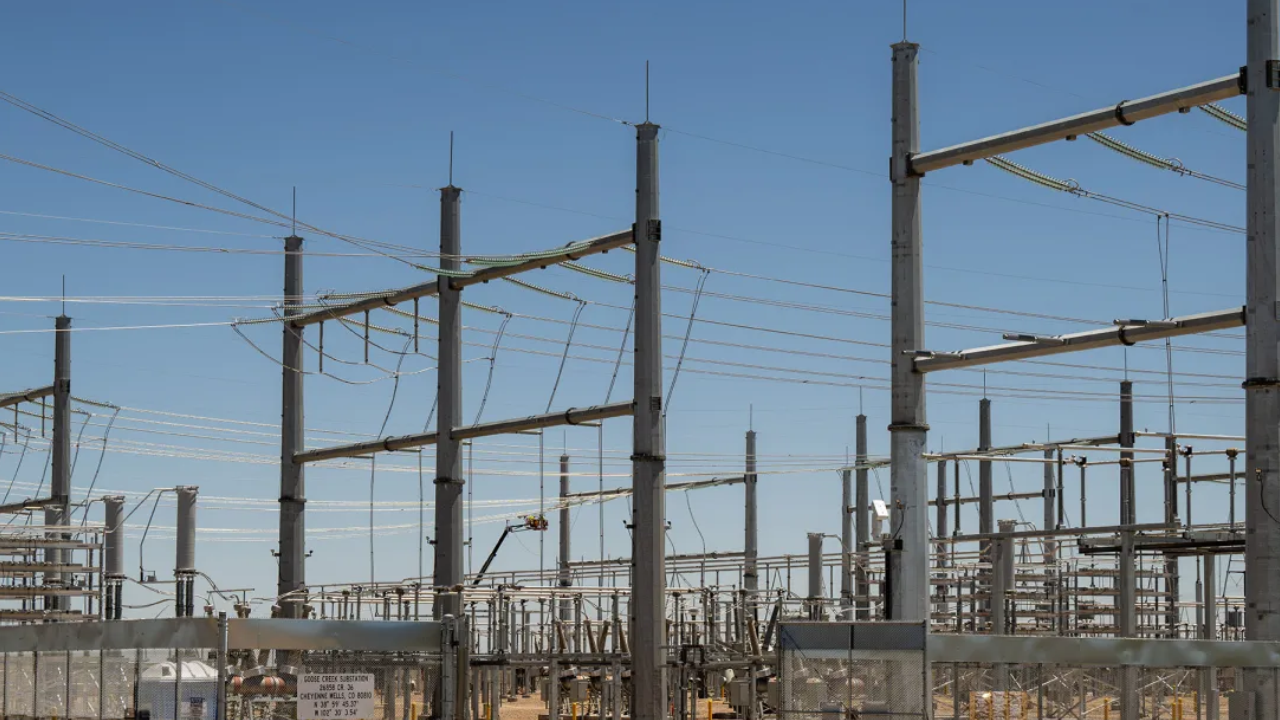
A dispute over a narrow strip of ranchland in eastern Colorado has become a broader legal battle over how far an electricity utility can go to secure land for renewable energy projects. According to reporting by The Colorado Sun, Utility Dive and the Kiowa County Independent, Xcel Energy is challenging a ruling that denied it the power to seize a disputed easement from a fourth-generation farming and ranching family. The conflict centres on Dryland Partners, a family-run agricultural business operated by Darin Dickey and his brothers in Cheyenne County. The family had sold approximately 90 acres to Xcel Energy in 2022 for $585,000 to accommodate the Goose Creek substation. However, negotiations later broke down over a separate 550-foot right of way needed to connect two wind farms to the electricity grid.
In June 2026, Cheyenne County District Judge Mike Davidson rejected the utility’s condemnation petition, finding that it lacked the authority to acquire the land through eminent domain for the proposed generation tie lines. The judge also determined that the utility had acted in bad faith by pursuing a route that would cause unnecessary harm to the landowners despite the availability of less damaging alternatives.
A disagreement over the route and compensation
Xcel Energy, through its subsidiary Public Service Company of Colorado, proposed routing the power lines across the intersection of County Roads DD and 36 before connecting them to the Goose Creek substation.
The Dickey family objected to this alignment, citing potential safety concerns for heavy agricultural machinery and possible interference with an existing natural gas pipeline right of way. The family proposed alternative routes that it said would reduce disruption to its farming operations. The utility offered $19,000 for the easement, an amount the family considered inadequate compared with compensation negotiated for a separate wind energy connection at the same substation. Dryland Partners had previously reached an agreement with NextEra Energy Resources to connect its Dusty Rose wind farm to the facility.
Xcel maintained that its offer exceeded fair market value and argued that the family’s alternative proposals would involve prohibitively expensive changes. The disagreement over compensation, however, is only one part of the case. The central legal question is whether a regulated utility can use eminent domain to obtain land for generation tie lines that connect individual power plants to the grid.
Why the disputed power lines matter
The easement is required for two wind projects, Singing Grass and Cheyenne Ridge II, which have a combined planned generating capacity of approximately 1,053 megawatts. The projects are intended to connect to the Goose Creek substation and subsequently feed electricity into Xcel’s $1.7 billion Power Pathway transmission network.
The distinction between transmission infrastructure and generation tie lines is central to the dispute. While utilities have established authority to acquire certain land for public transmission infrastructure, the family argued that the disputed connections primarily serve individual generating facilities rather than directly delivering electricity to consumers. The ruling could therefore have implications beyond the Dickey family’s property, potentially influencing how renewable energy developers secure land for connections to the wider electricity network.
Colorado Supreme Court declines an early intervention
Xcel sought to have the Colorado Supreme Court consider the case directly, arguing that the dispute raised important questions about renewable energy development and the utility’s condemnation powers. However, on August 31, 2026, the state’s highest court declined to take up the case through this expedited route. The decision did not resolve the underlying legal questions. Xcel said it would continue with its appeal before the Colorado Court of Appeals.
The utility has argued that the unresolved easement is delaying the completion of infrastructure needed to bring the two wind farms online. The family, meanwhile, has maintained that it remains willing to negotiate a solution using alternative routes and reasonable terms. The outcome will determine more than the location of a power line across an agricultural property. It could also help clarify the limits of eminent domain when utilities seek land to connect privately developed or utility-owned renewable energy projects to the grid.
Colorado (LOCATION)
The Colorado Sun (ORG)
the Kiowa County Independent (ORG)
Xcel Energy (ORG)
Dryland Partners (ORG)
Darin Dickey (PERSON)
Cheyenne County (LOCATION)
the Goose Creek (LOCATION)
Mike Davidson (PERSON)
Public Service Company (ORG)
County Roads DD (LOCATION)
Dickey (PERSON)
NextEra Energy Resources (ORG)
Dusty Rose (LOCATION)
Xcel (ORG)