
Business & Finance
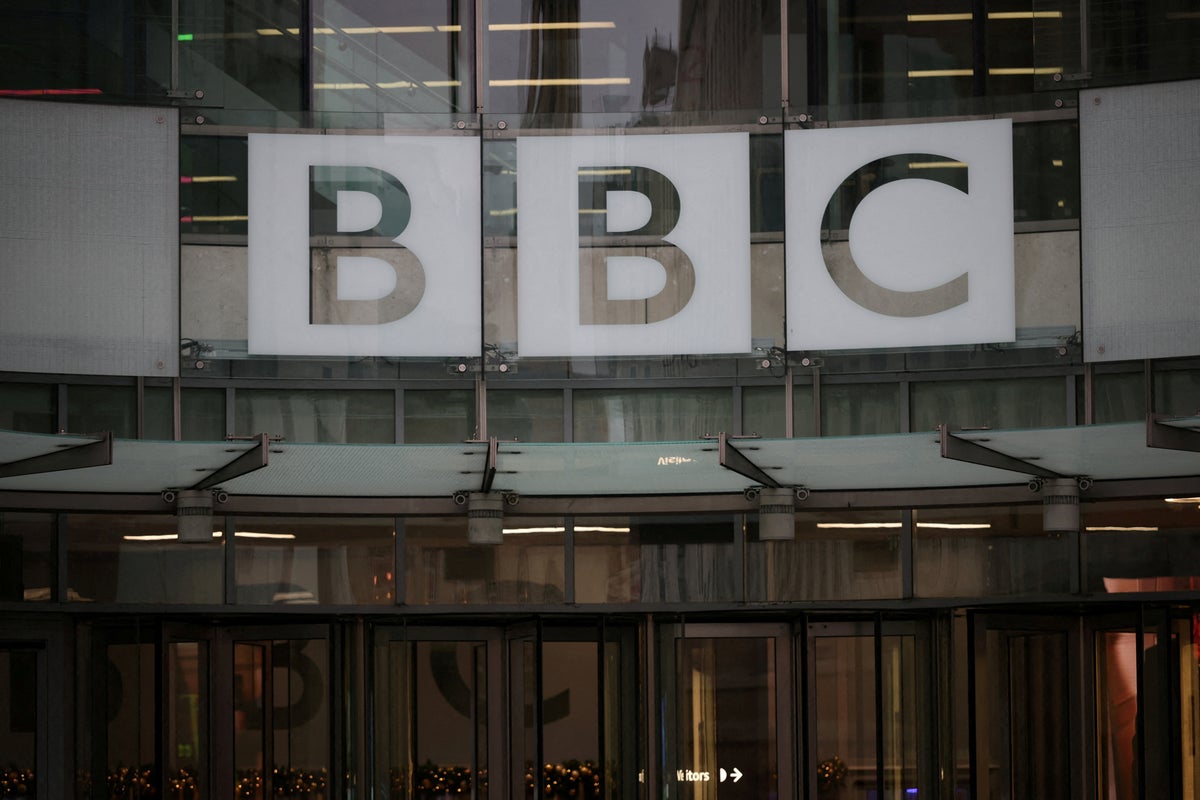
Tories slam ‘unfair’ Youtube tax plan as millions abandon BBC licence fee
Key Points
Tories slam ‘unfair’ YouTube tax plan as millions abandon BBC licence fee Exclusive: The Tories have broken their silence on plans to extend the licence fee to streaming services as data shows millions are planning to stop paying for the BBC - Bookmark - CommentsGo to comments Become an Independent member to bookmark this article Already a member? Log in The Tories have come out in opposition to proposals to introduce a so-called “YouTube tax” on streaming services aimed at providing long...
Tories slam ‘unfair’ YouTube tax plan as millions abandon BBC licence fee
Exclusive: The Tories have broken their silence on plans to extend the licence fee to streaming services as data shows millions are planning to stop paying for the BBC
- Bookmark
- CommentsGo to comments
Become an Independent member to bookmark this article
Already a member? Log in
The Tories have come out in opposition to proposals to introduce a so-called “YouTube tax” on streaming services aimed at providing long term funding for the BBC.
The controversial suggestion, revealed by The Independent, would see the current TV licence extended from people who watch live television to anyone who uses streaming services including YouTube, Netflix, Amazon Prime, Disney+ and Apple TV.
It is estimated that an extra 3 to 4 million households will have to pay the licence fee if it is extended to streaming services.
It comes in a week where the BBC has cut 100 editorial jobs amid budget shortfalls.
Added to that, research from the Office for Budget Responsibility estimates that three in ten current licence fee holders – 1.6 million households – will have stopped paying for it by the end of the decade.
This, on top of the most recent figures, revealed that around 539,000 fewer TV licences were in force in the year to 31 March 2026. There has been a drop of around two million over the past five years.
The Tories estimate that, under the current arrangements, the BBC would have to raise the price of the fee by £59 from £180 to make up the shortfall.
But Conservative chairman Kevin Hollinrake MP hit out at plans, describing it as “wholly unfair”.
He said: "If you earn it, do it or watch it, Labour will tax it and Labour’s YouTube Tax is really a penalty for boycotting the BBC or even just preferring other services.
“Households that switched off and went to Netflix and YouTube will now be billed and public service has quietly become a subscription you cannot cancel.
"It is wholly unfair for the government to force people who don't even watch live TV to pay the licence fee.
"The Conservatives believe in consumer choice. The BBC is an important national institution, but people should not be obliged to fund it simply because they want to watch YouTube, Netflix or Amazon Prime."
The BBC has been facing spending cuts with question marks over flagship programmes such as Newsnight, which recently cut 10 per cent of its staff. Despite collecting around £3.8bn to £3.9bn from the licence fee, the BBC recorded an operating deficit of £121m for 2025/26.
Ahead of closing BBC 3, BBC Scotland and Radio 4 Extra, Matt Brittin, the director-general of the BBC, told Laura Kuenssberg that channels and radio stations may have to close because the corporation is “locked into yesterday’s model of how people consume content”.
Giving evidence to the House of Commons Culture, Media and Sport Committee in July, he had already described the licence fee as “no longer fit for purpose” and “yesterday’s model”.
Lisa Nandy, the Labour culture secretary, has since conceded the fee “in its current form is unsustainable simply because there are fewer and fewer people paying it” but is thought to have signed off on extending it to streaming services – a plan which would be part of the BBC Charter review in a white paper published before Christmas.
Sources have told The Independent that ministers want extra money from extending the licence fee to streaming services to be used to revive local journalism to counter disinformation – which has helped parties like Reform win council elections.
“The money needs to be used to help support local journalism and counter a lot of the conspiracy theories and fake news which we have seen help parties like Reform getting elected in different parts of the country,” they said.
The proposal has already seen Nigel Farage condemn the YouTube tax and Reform UK launch a campaign to oppose it.
The streaming tax is being dubbed the “YouTube tax” because YouTube is the biggest platform in the UK with 55 million viewers annually and a market penetration of 79 per cent.
The royal charter is being renegotiated by culture secretary Lisa Nandy’s Department of Culture, Media and Sport (DCMS) and sets out the arrangements for the governance of the BBC, including how it is funded.
The charter has to be renewed every 10 years and the current one is set to end in December 2027.
Currently, anyone who watches live television must pay the licence fee even if they do not watch the BBC. They do not pay for playback or non-live shows on streaming platforms except on BBC iPlayer.
The BBC declined to comment.
The Independent approached the government for comment.
Join our commenting forum
Join thought-provoking conversations, follow other Independent readers and see their replies
Comments