
Politics
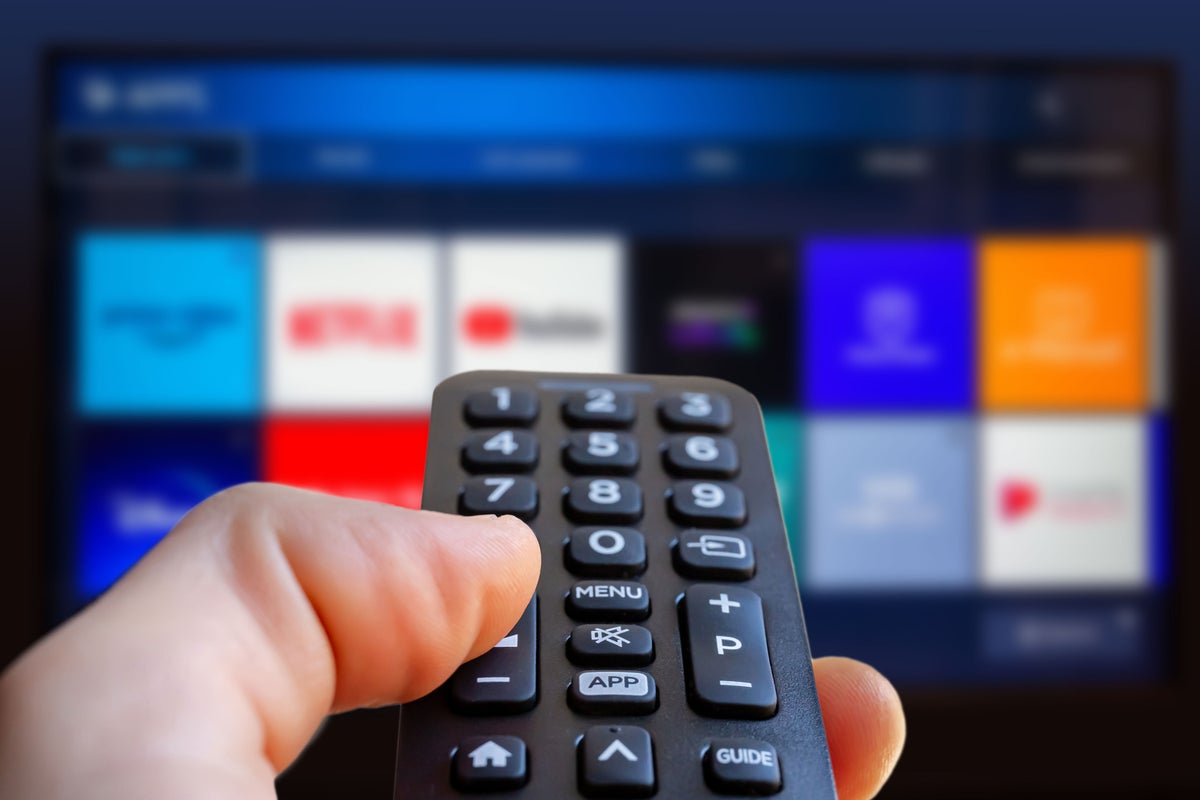
Smart TVs could take longer to switch on as UK seeks to follow EU rule
Key Points
Smart TVs could take longer to switch on as UK seeks to follow EU rule Government seeks to cap the power that smart devices, such as TVs, robot vaccum cleaners and air fryers, can use in standby mode - Bookmark - CommentsGo to comments Become an Independent member to bookmark this article Already a member? Log in Smart televisions could take longer to switch on under the government’s plans to bring Britain’s measures for standby and off mode in line with the European Union. The government...
Smart TVs could take longer to switch on as UK seeks to follow EU rule
Government seeks to cap the power that smart devices, such as TVs, robot vaccum cleaners and air fryers, can use in standby mode
- Bookmark
- CommentsGo to comments
Become an Independent member to bookmark this article
Already a member? Log in
Smart televisions could take longer to switch on under the government’s plans to bring Britain’s measures for standby and off mode in line with the European Union.
The government has launched a consultation for proposed changes to how smart household products, such as televisions, robot vacuum cleaners, air fryers and voice-activated light systems, would work when they are turned off or on standby.
Smart devices are now becoming ubiquitous in the country’s homes but the consultation says that the UK’s minimum standards to regulate them have “not kept pace with technological progress”.
The changes would set a cap for how much power such devices can consume when in standby mode, which the government says would stop them “draining money” from families.
But this has the potential to increase the time they would take to switch on again.
The proposed regulations are drawn on recent changes made by the EU.
The consultation says: “The revised regulations are designed to deliver ongoing benefits by reducing the power consumed by products in off mode, standby mode and networked standby.
“Such measures ensure that newer standards are applied to a wider range of devices, addressing both technological advancements and the increased energy demands of modern equipment.”
Bringing the regulations in line with the EU would enable manufacturers to continue to treat UK and EU markets in the same way, The Independent understands.
A DESNZ spokesperson told The Independent: “Smart devices shouldn’t hit people’s pockets – that’s why we’re improving our standards to stop everyday devices silently draining money from families’ bank accounts.
“Improving efficiency standards will limit the amount of electricity devices can use in standby mode, cutting the amount of wasted energy and saving households money on bills.”
However, Andrew Bowie, the shadow energy secretary, told The Telegraph: “Labour’s net zero obsession is reaching into people’s living rooms, threatening to make everyday household gadgets slower, more irritating and less convenient.
“Families are fed up with being lectured, restricted and made to pay more for the privilege of going about their daily lives. Britain needs cheaper energy and lower bills.
Join our commenting forum
Join thought-provoking conversations, follow other Independent readers and see their replies
Comments
[Image text:] 58
9
MENU
4
APP
P
GUIDE