
Technology
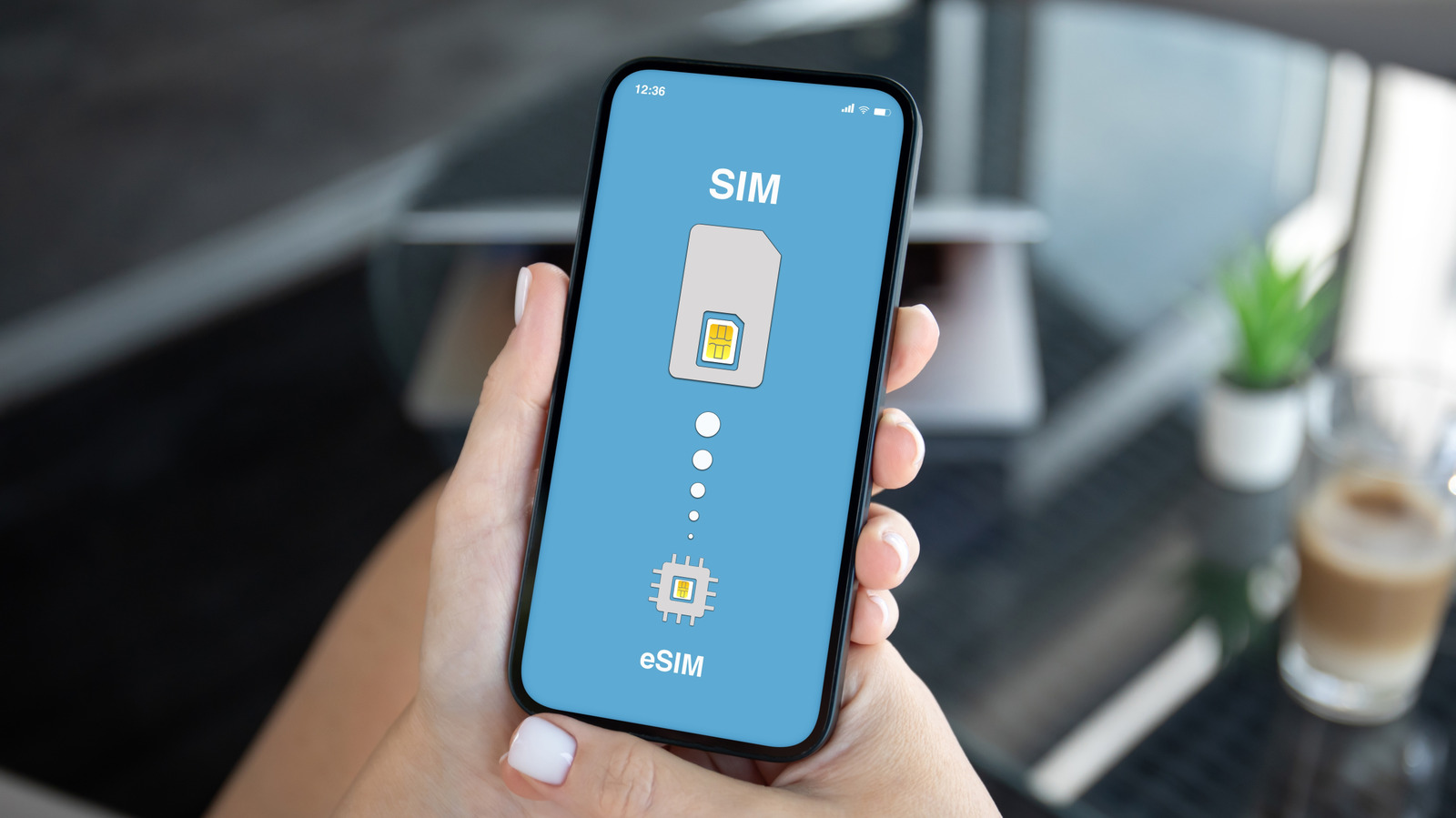
The pros and cons of using an eSIM over a physical SIM card
Key Points
The pros and cons of using an eSIM over a physical SIM card The conveniences of an eSIM come with a few strings attached. First, you should know there is no quality difference between using an eSIM or physical SIM card. The difference between the two is how you activate and move your cellular service.
The pros and cons of using an eSIM over a physical SIM card
The conveniences of an eSIM come with a few strings attached.
First, you should know there is no quality difference between using an eSIM or physical SIM card. The difference between the two is how you activate and move your cellular service. Both identify your subscription to a mobile network and feature the same reception and data speed. A physical SIM is removable, while an eSIM uses built-in hardware and a downloadable carrier profile.
The primary advantages eSIM has over physical cards is that it's flexible and convenient. You don't have to open a side tray or transfer the SIM when you purchase a new phone. Instead, you can simply activate a supported plan via an app, QR code or the phone's settings. On compatible devices, you can even store multiple profiles, which makes it easier to separate your work and personal numbers without carrying around spare SIM cards.
If you spend a lot of time on the road, there's another useful eSIM feature to consider. With an unlocked, compatible phone, you can purchase a travel eSIM ahead of time instead of finding a retailer that sells physical SIMs once you reach your destination. Depending on your plan, that could save you some money instead of roaming with your home carrier. You can also keep the travel plan dormant on your phone until your next trip, compared to losing the SIM card at home. At the same time, an eSIM is not a guarantee of a better deal. For instance, some domestic cell plans already include international roaming, so switching is mostly a waste of time.
There are smaller pros too, like not having to wait on a SIM card to ship for a new plan. Plus, removing the SIM slot from phones broadly means manufacturers have more room for larger batteries or other improvements elsewhere.
Is there a downside to using eSIM?
There's always a drawback, and the biggest disadvantage of eSIM is compatibility and transferring service. Both the phone and carrier have to support eSIM, and that support may vary by model and the market. An eSIM also can't bypass a carrier lock; to use another provider's plan, your phone generally needs to be unlocked. Opera's free eSIM on Android is a good test before purchasing one.
Knowing that, it's always a good idea to look over the requirements before purchasing a travel plan or assuming you can move your existing number to a different device. After all, a downloadable profile is only useful if the phone and provider will activate it.
Some carriers make the business of moving service from one phone to another more complicated than it needs to be. With Apple's eSIM Quick Transfer, you can move service between compatible phones without contacting support, but some require a carrier app, a replacement QR code (as if we need more of those) or help from customer service. Fortunately, cross-platform transfers are improving. For instance, some iPhones and Android phones can now transfer eSIMs directly.
You also have to be careful with your carrier while traveling internationally, which means reading the fine print before you head out. For instance, you might still be able to utilize your normal phone number while using the travel plan for data, but your carrier may have hidden some roaming fees. Make sure your phone is set to use the travel eSIM for data upon your arrival. You can also turn off your regular line entirely, but you won't receive any cell calls or texts on that number while it's disabled.
Why are people against eSIM?
For some, the primary objection is losing the fallback simplicity of a physical SIM. For all the talk about switching from one phone to another with an eSIM, popping the tray open and physically switching a card to another phone is pretty easy, unless you have a severe case of fumble fingers. As previously stated, some carriers require in-app QR codes or switches, both of which can be a pain. So it's less about the convenience of an eSIM and more about the available tools and how efficient they are.
Physical SIMs still offer a wider degree of compatibility with older and simpler phones, which works out great for the Gen Zers going retro or the many seniors who still prefer them (though that's changing). While there's no removable card to lose or physically extract, digital activation doesn't eliminate account fraud or SIM-swap scams either.
Ultimately, it boils down to what "convenience" matters more to you. If your phone supports both formats, then you're good whichever way you go. In fact, you can do both: retaining your physical SIM while using an eSIM for another supported line.
[Image text:] 12:36
SIM
..
eSIM