
Politics
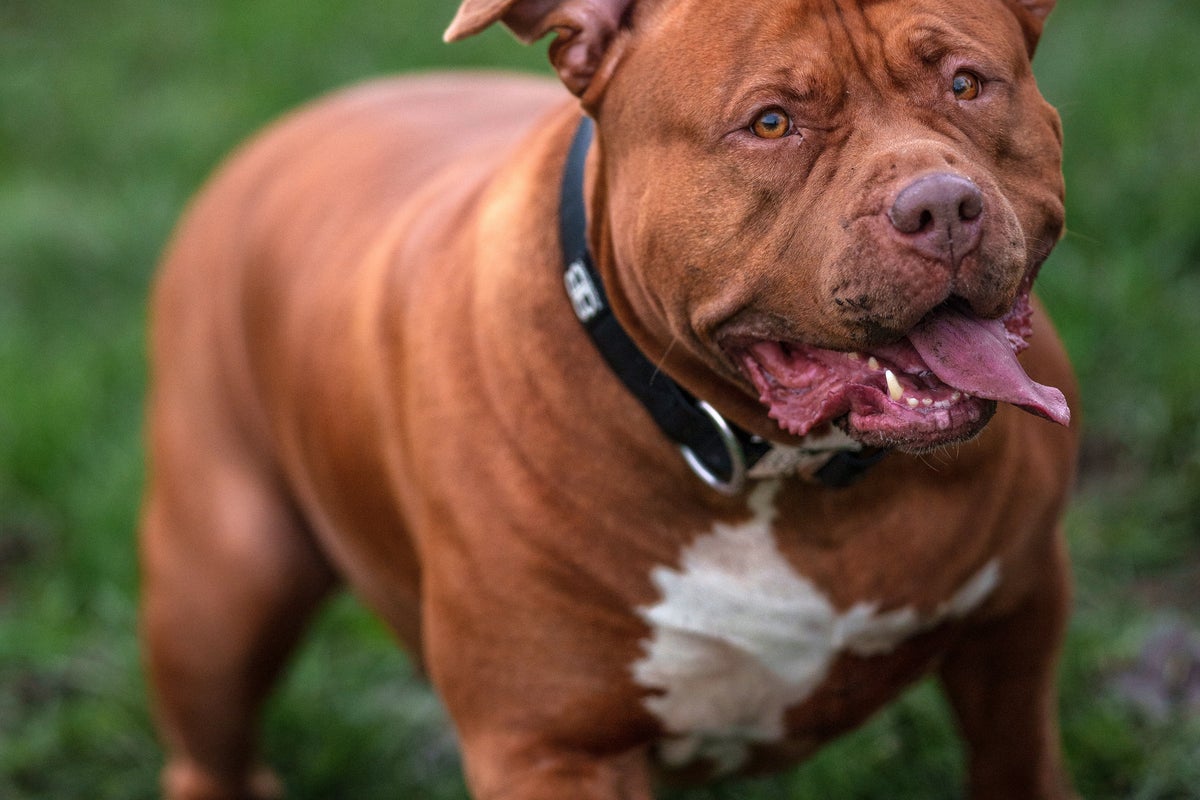
The new UK dog law coming into force this week – that includes threat of jail sentence
Key Points
The new UK dog law coming into force this week – that includes threat of jail sentence Owners of banned breed dogs will be legally required to make sure they supervise children under the age of 12 with their pets - Bookmark - CommentsGo to comments Become an Independent member to bookmark this article Already a member? Log in A new dog law comes into force on 1 November aimed at keeping children safe, as part of the government’s crackdown on banned breeds. Owners of banned breed dogs will...
The new UK dog law coming into force this week – that includes threat of jail sentence
Owners of banned breed dogs will be legally required to make sure they supervise children under the age of 12 with their pets
- Bookmark
- CommentsGo to comments
Become an Independent member to bookmark this article
Already a member? Log in
A new dog law comes into force on 1 November aimed at keeping children safe, as part of the government’s crackdown on banned breeds.
Owners of banned breed dogs will now be required to make sure that any child under the age of 12 is not left in close contact with their pet in a private place, such as a home or garden, without adult supervision.
Children under the age of 12 are at “higher risk of dog-related injuries in the home”, guidance from Defra (the Department for Environment, Food and Rural Affairs) warns, because they might make sudden movements, loud noise, or engage in close contact, which may make the animal uncomfortable.
Five dog breeds are currently banned in the UK:
- Pit Bull Terrier
- Japanese Tosa
- Dogo Argentino
- Fila Brasileiro
- XL Bully
This means it’s illegal to sell, abandon, give away or breed from any of these breeds. Owners must have proof of valid certificates of exemption for their dog, which must not act dangerously, in order to keep their pets.
Defra issued advice back in September to banned dog owners on how they can keep their children safe from these breeds.
An adult, 18 or over, must be present and able to take steps to keep children safe around dogs. Adults must remain nearby and keep both the child and dog under supervision, pay attention to the interaction and be able to intervene if necessary, and be able to separate them immediately.
Cameras, baby monitors, video doorbells or other devices are not deemed suitable substitutes for adult presence.
Dog owners and carers of children have been advised to plan ahead for times when supervision may be difficult. For example when cooking, answering the door, using the bathroom, taking a phone call, caring for another child, or moving between different areas of the home.
Defra advised that dogs may be more volatile when stressed, unwell, overwhelmed or unable to move away from children. Adults should be alert to situations where the dog may need space, such as when resting or sleeping, eating or drinking, playing, unwell, overwhelmed, trying to move away or showing any signs of discomfort.
Adults can separate dogs and children by keeping them in separate rooms with doors securely closed, using stair gates, safety gates or other physical barriers, and keeping the child and dog on different floors of the home with gates in place. They can also take either the child or dog with them when moving between different areas of the home or use a crate or pen for the dog.
Whether a dog is a banned type depends on what it looks like, rather than its breed or name, Defra says. A police or council dog expert will judge what type of dog the owner has and whether it is (or could be) a danger to the public.
The law stipulates it is up to the owner to prove their dog is not a banned type. If proven, the court will order the dog to be returned to the owner. But if they can’t prove their dog is not a banned breed, or if the owner pleads guilty, they will be convicted of a crime.
The penalty includes an unlimited fine or a person can be sent to prison for up to 6 months (or both) for having a banned dog against the law. The dog will also be destroyed.
If the dog is banned, but the court thinks it’s not a danger to the public, the court may issue a contingent destruction order to let the owner apply for a certificate of exemption.
Join our commenting forum
Join thought-provoking conversations, follow other Independent readers and see their replies
Comments