
Health
Could Ebola reach the UK? A microbiologist explains the risk
Key Points
Could Ebola reach the UK? A microbiologist explains the risk Ebola has reached Britain before, and history tells us it can happen again - Bookmark - CommentsGo to comments Become an Independent member to bookmark this article Already a member? Log in Parts of Africa are facing the fastest-spreading Ebola epidemic on record.
Could Ebola reach the UK? A microbiologist explains the risk
Ebola has reached Britain before, and history tells us it can happen again
- Bookmark
- CommentsGo to comments
Become an Independent member to bookmark this article
Already a member? Log in
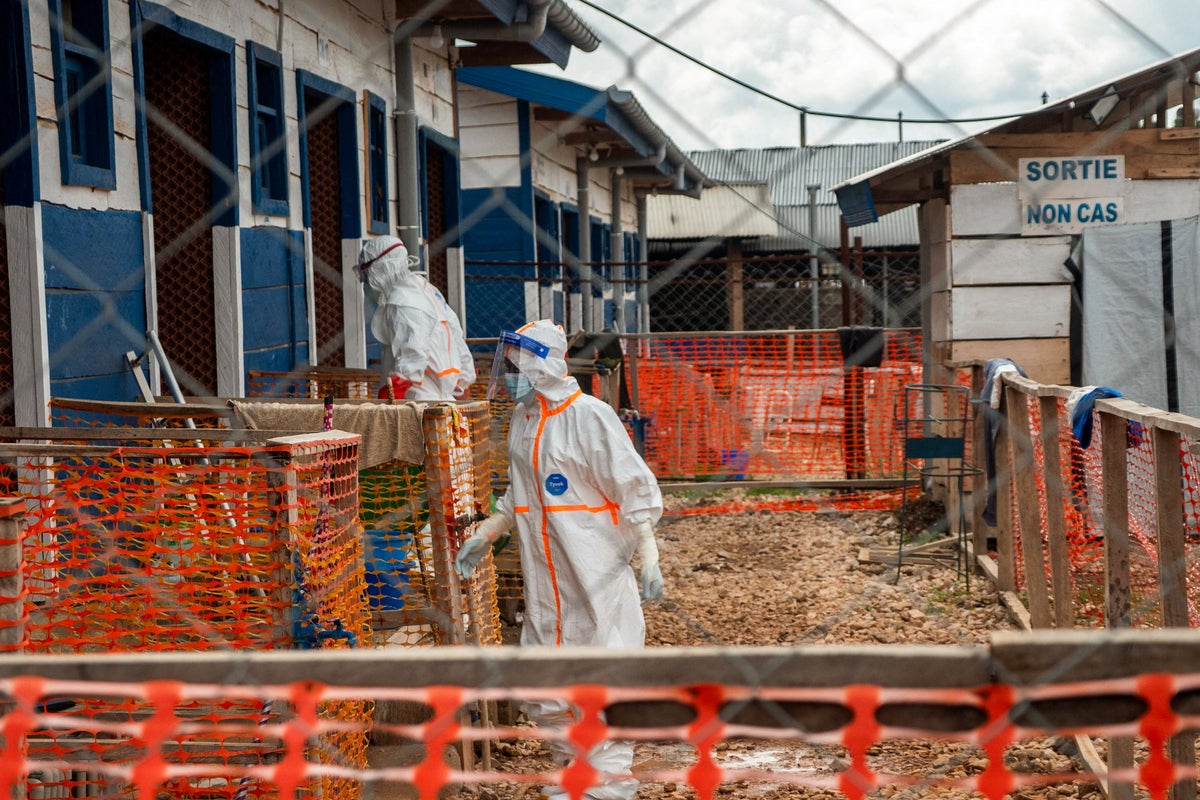
Parts of Africa are facing the fastest-spreading Ebola epidemic on record. The outbreak is caused by the Bundibugyo virus, one of several types of Ebola virus, and has grown dramatically in the Democratic Republic of the Congo (DRC). Cases have now appeared in other countries too.
By October 31, 2026, the DRC had recorded 10,467 cases and 5,103 deaths. Kenya and Nigeria have also reported cases, and Uganda was affected earlier in the outbreak.
Conflict and an ongoing humanitarian crisis make it harder for health workers to find cases, treat patients and track those who have been exposed. At the same time, large numbers of people and goods travel between the affected areas and neighbouring countries, which gives the virus chances to cross borders.
Understandably, many people are asking whether Ebola could reach the UK. The short answer is yes. But that does not mean an Ebola epidemic in Britain is likely.
Viruses ignore borders, and an infected person can travel a long way before they feel ill. We have already seen this in the current outbreak.
Kenya’s first confirmed case involved someone who had travelled from the DRC through Uganda to Nairobi. Earlier in the outbreak, Ebola also turned up outside Africa. On June 24, France’s health ministry reported a travel-associated case in a humanitarian doctor returning from the DRC.
Ebola has reached Britain before, and history tells us it can happen again. But a virus arriving in a country and spreading through its population are two quite different things. The UK Health Security Agency (UKHSA) has recorded only four cases in the UK since the virus was first identified in 1976, but none of the four died.
Not like COVID
When we hear about a deadly virus spreading somewhere in the world, our thoughts naturally turn to the recent pandemic. But comparisons with COVID can mislead because the two infections spread so differently.
Ebola spreads through close contact with the body fluids of someone who is infected and ill, such as vomit, sweat, blood or urine. Touching objects contaminated with those fluids can also pass it on. There is no evidence that it spreads through coughing or sneezing in the way that flu or COVID does.
Crucially, people only become infectious once they develop symptoms. COVID could spread silently, with infected people passing it on before they knew they were ill. With Ebola, the warning signs come first.
That makes Ebola hard to control where healthcare services and public health systems are under huge pressure. But it also gives health authorities a clear opening: they can find people who are ill, isolate them and trace everyone they have been in close contact with. That works far better against Ebola than it did against COVID.
Like other wealthy countries, the UK has a plan for an infected traveller arriving. UKHSA has issued detailed guidance on diagnosing and managing suspected cases, testing samples in laboratories and tracing contacts. It also covers how to monitor aid and medical workers returning from affected areas.
The NHS also has set procedures and specialist centres for suspected cases. Health teams would treat a case brought in from abroad extremely seriously, but it would not automatically put the wider population at risk.
None of this makes the situation in the affected countries any less serious. Bundibugyo is a particular challenge because there is no approved vaccine or specific treatment for the disease it causes. Work is under way to investigate promising options, but for now health workers have fewer tools to protect people and treat the sick.
Bringing the outbreak under control matters first and foremost for the communities suffering its devastating effects. It also matters for everyone else because fewer infections mean fewer chances for the virus to travel abroad.
For people in Britain, concern is reasonable, but panic is not. UKHSA assesses the risk to the UK population as low. European health authorities rate the risk to people in Europe as very low, because an infected person is extremely unlikely to arrive, or to pass the virus on if they did.
Those assessments can change as an outbreak develops, which is why monitoring, fast diagnosis and international cooperation matter so much. For now, though, what we know about how the virus spreads and the UK’s preparations support the low rating.
Ebola’s frightening reputation can make it hard to judge the real risk. For people in Britain, this is a serious international outbreak that deserves attention. Taking a major global health threat seriously does not require fearing it personally.
Join our commenting forum
Join thought-provoking conversations, follow other Independent readers and see their replies
Comments
[Image text:] SORTIE
NON CAS
UK (LOCATION)
Britain (LOCATION)
Independent (ORG)
Log in Parts of Africa (ORG)
Bundibugyo (ORG)
the Democratic Republic of the Congo (LOCATION)
DRC (ORG)
Kenya (LOCATION)
Nigeria (LOCATION)
Uganda (LOCATION)
Nairobi (LOCATION)
Africa (LOCATION)
France (LOCATION)
The UK Health Security Agency (ORG)
UKHSA (ORG)