
Politics
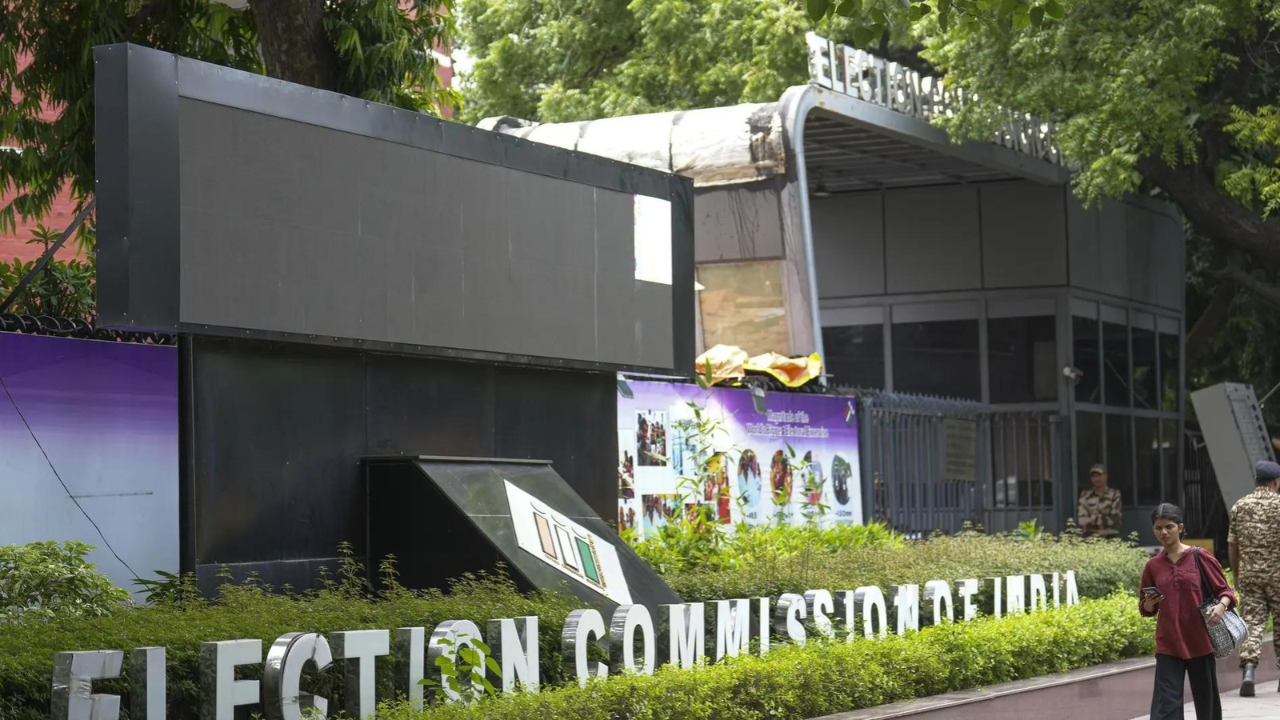
Retired govt officials come under purview of model code restrictions, says EC
Key Points
The Election Commission on Tuesday extended the Model Code of Conduct (MCC) restrictions to retired state government officials engaged by state governments in states where assembly elections are scheduled next year. In a letter addressed to the chief secretaries and chief electoral officers of Goa, Manipur, Punjab, Uttar Pradesh and Uttarakhand, the commission said such individuals must maintain political neutrality and refrain from participating in election campaigns. "The Commission has in...
NEW DELHI: The Election Commission on Tuesday extended the Model Code of Conduct (MCC) restrictions to retired state government officials engaged by state governments in states where assembly elections are scheduled next year.In a letter addressed to the chief secretaries and chief electoral officers of Goa, Manipur, Punjab, Uttar Pradesh and Uttarakhand, the commission said such individuals must maintain political neutrality and refrain from participating in election campaigns.
"The Commission has in the past, in respect of the conduct of government employees, issued instructions stating that they are not expected to take part in any election campaign or canvassing and should take scrupulous care not to lend their names, official position or authority to assist one individual/political party/group as against another," the letter read."Individuals including retired government officials/officers/employees are attached or engaged or employed or re-employed in various capacities by State/UT governments, for whom there are no specific guidelines or rules relating to their political neutrality and conduct during MCC period," it added.Assembly elections are due in all five states in 2027, with polls expected to be held in February-March. The terms of the Manipur, Goa, Punjab and Uttarakhand assemblies end in March, while the Uttar Pradesh assembly's term expires in May.
Rohitashwa Ranjan is a digital journalist with The Times of India, where he decodes Indian politics as a carefully staged production with scripts, subtext and everything behind. His stories track elections, party dynamics and the things that often are buried beneath the headlines. When not parsing vote shares or alliances, he is usually reading between the lines, where the real story tends to reside.