
Weather
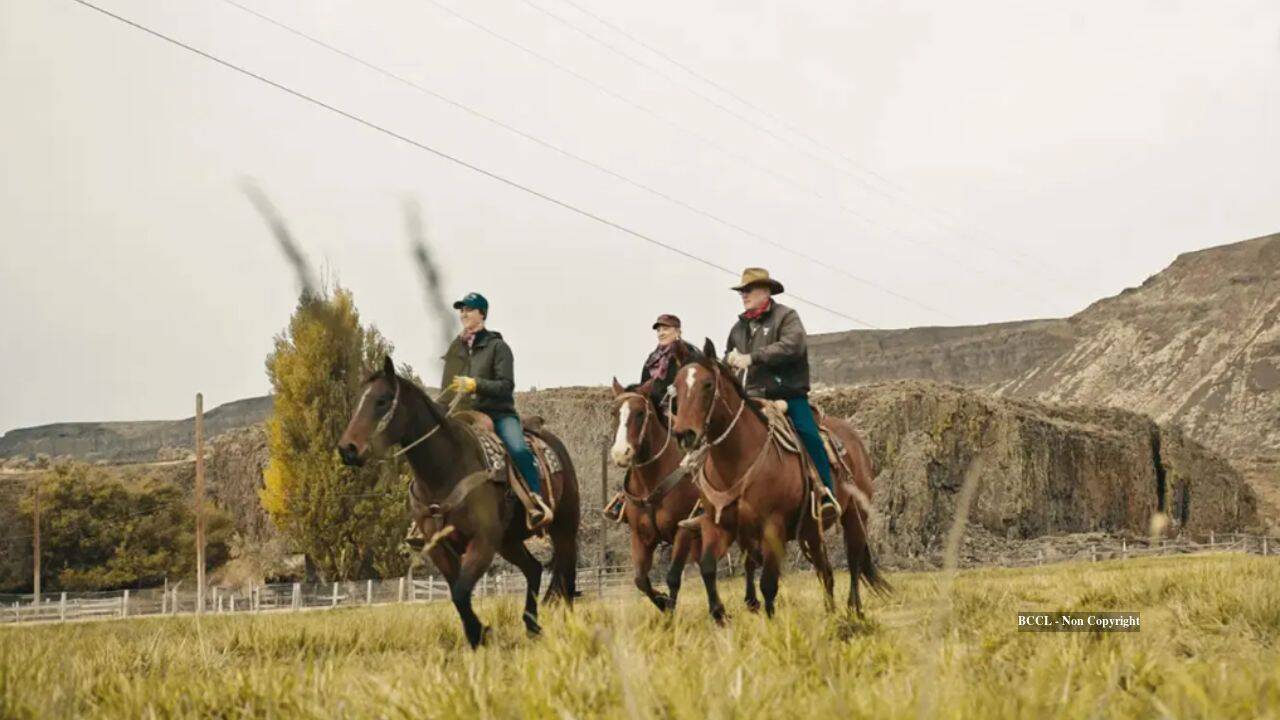
Washington couple fights $267,540 wetlands fine, faces $3.7m restoration bill
Key Points
A Washington cattle-ranching couple has spent three years fighting a $267,540 state penalty and restoration orders they say could cost more than $3.7 million. Wade and Teresa King, who operate King Ranch in Grant and Douglas counties, argue that the sites are longstanding stockwater ponds for their livestock, while the Washington State Department of Ecology says they damaged naturally occurring wetlands, including rare alkali wetlands. The dispute began in February 2023, when Ecology fined...
A Washington cattle-ranching couple has spent three years fighting a $267,540 state penalty and restoration orders they say could cost more than $3.7 million. Wade and Teresa King, who operate King Ranch in Grant and Douglas counties, argue that the sites are longstanding stockwater ponds for their livestock, while the Washington State Department of Ecology says they damaged naturally occurring wetlands, including rare alkali wetlands.
The dispute began in February 2023, when Ecology fined the Kings and ordered restoration work near Park Lake in Grant County. In January 2025, the agency issued a second order involving 11 additional wetlands in neighboring Douglas County, bringing the total number of affected sites to 34.
What Ecology says happened
Ecology’s investigation found that the Kings excavated, recontoured and placed fill in 6.37 acres of naturally occurring wetlands in Grant County. The department says it relied on site visits, soil and water analysis, satellite imagery and aerial photographs dating back to 1949.
According to Ecology, the aerial and satellite images showed the wetlands undisturbed until 2021, when the excavation occurred. The agency says many of the sites are rare alkali wetlands, which form in arid eastern Washington when mineral-rich groundwater rises to the surface and mixes with runoff and snowmelt.
Ecology says those wetlands can take centuries to form and often dry out during hot weather, leaving bright white salt crusts or playas. The department argues that those seasonal changes do not make the areas artificial ponds, and that the Kings’ actions damaged wetlands protected under Washington’s Water Pollution Control Act of 1945.
The agency also says it found no evidence that the water bodies had ever been modified as stockwater ponds. It maintains that formal enforcement involving ranching is rare and that it has no record of previously penalizing a livestock operator solely for damaging wetlands.
The Kings’ response
Photo: Wade and Teresa King/Pacific Legal Foundation
The Kings reject Ecology’s characterization of the sites. They say the ponds are longstanding stockwater ponds used to provide water for cattle, and that the agency is treating ordinary ranching infrastructure as protected wetlands.
Teresa King has said the restoration orders would be financially devastating and practically impossible because the areas were never wetlands in the first place. She and Wade argue that they are being asked to turn non-wetlands into wetlands, a demand they see as both unachievable and unfair.
The Kings also say Ecology has not provided enough detail about how they are supposed to comply with the restoration requirements. Wade King argues that the wetlands designation gives the department more authority over the land than it would have if the areas were recognized as stockwater ponds.
For the family, the stakes extend beyond money. The Kings have ranched in Grant and Douglas counties since the 1950s, and Teresa says multiple generations now live and work on the property. She describes the fight as a defense of the livestock water rights relied on by ranchers across Washington.
The fight over a jury trial
The Kings initially challenged the penalty and restoration orders through Washington’s Pollution Control Hearings Board, an administrative panel that does not offer jury trials. They later filed a separate lawsuit in Grant County Superior Court, arguing that they were entitled to a jury trial and that the administrative process violated that right.
In March 2026, a judge dismissed that lawsuit, ruling that the Kings first had to complete the administrative process. The Kings appealed, and in September 2026 the Washington Court of Appeals granted a temporary stay of the Pollution Control Hearings Board proceedings while the appeal continues.
Wade King has criticized the administrative process, saying it places too much power in the executive branch and rarely favors property owners. Ecology, meanwhile, says the Kings appealed both the 2023 penalty and the 2025 administrative order, and that the board later required them to grant access to sites they had previously denied inspectors.
Oliver Dunford, a senior attorney with the Pacific Legal Foundation representing the Kings, has said they are prepared to take the case to the U.S. Supreme Court if necessary. He argues that the Seventh Amendment should apply against the states and that the Kings should have had a jury trial.
The cost of restoration
The Kings’ attorneys estimate that complying with Ecology’s orders could cost more than $3.7 million. That figure is far higher than the original $267,540 penalty and illustrates why the dispute has become so consequential for the family.
Ecology says it issued the penalty after repeated attempts to resolve the concerns without formal enforcement. It says the Kings refused to cooperate with those efforts, while the Kings maintain that they have always cared for the land and water their livelihood depends on.
The agency says wetlands provide flood and erosion control, recharge groundwater, improve water quality and support plant and animal habitat. It also notes that livestock operators who want to build stock ponds or divert surface water may need local and state permits, water rights or other authorization.
Why the case matters
The King Ranch case has become more than a local land-use dispute. It raises questions about how states balance environmental protection with agricultural operations, and whether property owners facing large penalties should have access to a jury trial.
For the Kings, the outcome could determine whether they can continue operating a multigenerational ranch without a restoration bill they believe is impossible to pay. For Ecology, the case is about enforcing protections for wetlands it says were damaged through unauthorized excavation.
The case remains unresolved. The Court of Appeals has paused the administrative proceedings while it considers the jury-trial issue, and both sides continue to present sharply different accounts of what the land was before the excavation began.
Washington (LOCATION)
Wade (PERSON)
Teresa King (PERSON)
King Ranch (ORG)
Grant (LOCATION)
Douglas (PERSON)
the Washington State Department of Ecology (ORG)
Ecology (ORG)
Kings (ORG)
Park Lake (LOCATION)
Grant County (LOCATION)
Douglas County (LOCATION)
Washington’s Water Pollution Control Act (ORG)
Wade King (PERSON)
Teresa (PERSON)