
Education
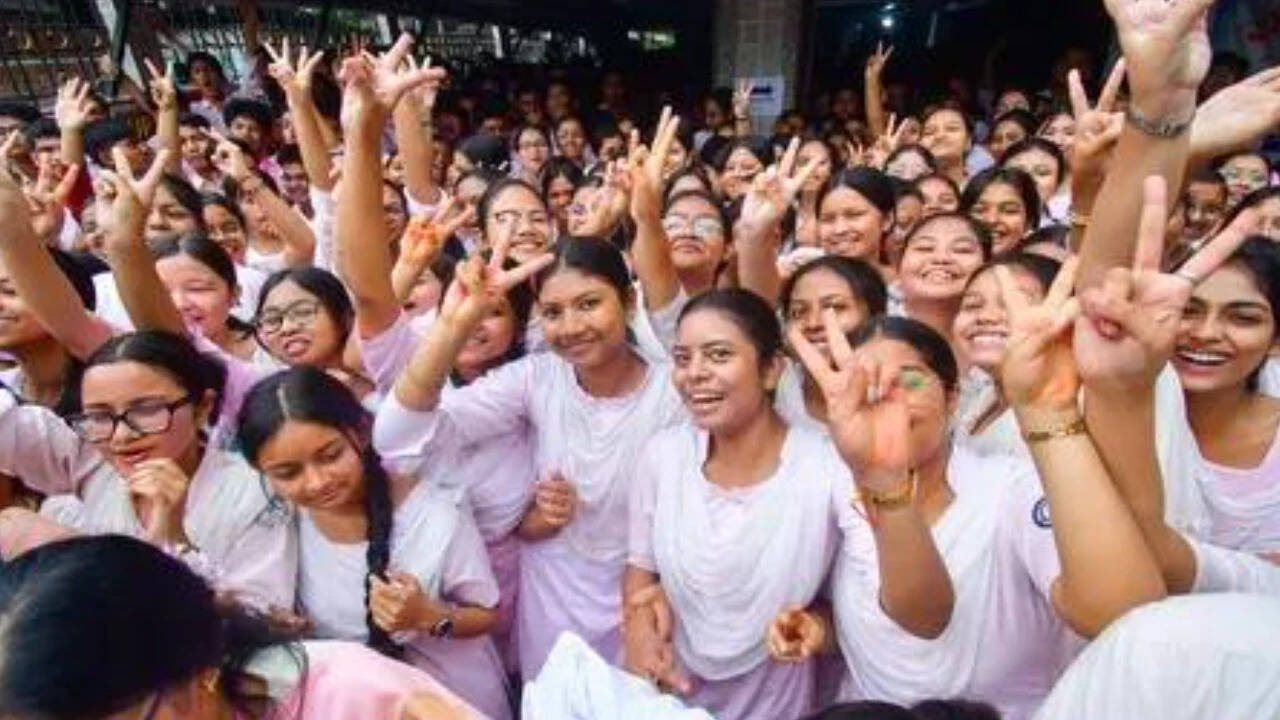
Unesco: Women ahead in higher education, but rural-urban gap hits schoolgirls
Key Points
Unesco: Women ahead in higher edu, but rural-urban gap hits schoolgirls NEW DELHI: India has made substantial progress in closing the gender gap in education, with women now outpacing men in higher education. But a rural-urban divide continues to disadvantage girls at the school-completion stage.
Unesco: Women ahead in higher edu, but rural-urban gap hits schoolgirls
NEW DELHI: India has made substantial progress in closing the gender gap in education, with women now outpacing men in higher education. But a rural-urban divide continues to disadvantage girls at the school-completion stage. A Unesco report found that for every 100 boys completing upper secondary education in rural India, only 59 girls do so, compared with gender parity in urban areas. India has closed at least 65% of its initial disparity in upper secondary completion since 2000.The 2026 Global Education Monitoring report, Gender Equity in Access to Education, puts India's overall gender parity index for upper secondary completion at 0.89, or 89 girls for every 100 boys. In rural areas, it falls to 0.59.Unesco categorises India as having made "fast progress" among countries with large disadvantages for girls at the start of the century. This applies to students completing school within the expected age window and those finishing late.Recent govt data point to improvements in participation and retention. UDISE+ 2025-26 shows girls account for 48.4% of school enrolment. The secondary-stage dropout rate fell from 8.2% in 2024-25 to 7%, while retention rose from 47.2% to 51.9%.
These indicators cannot be directly compared with Unesco's household-survey-based completion ratios.At college level, women lead men. AISHE 2023-24 puts the female gross enrolment ratio at 31.2%, against 28.9% for males. Women's enrolment rose from 1.57 crore in 2014-15 to 2.24 crore, a 42.2% increase. The higher education gender parity index stood at 1.08, with women's participation exceeding men's for seven consecutive years.
Unesco's review of Indian studies found free school lunches had nearly twice the impact on primary enrolment for girls as for boys in disadvantaged rural communities. Separate toilets helped raise enrolment among adolescent girls, while girls' clubs offering life skills and social support modestly improved secondary completion in Karnataka.Globally, Unesco found parity in enrolment from pre-primary through upper secondary school. Women increasingly outnumber men in higher education, with 88 male students for every 100 women enrolled and 82 male graduates. Yet 273 million children and young people were out of education in 2024.
Manash Pratim Gohain is a seasoned journalist with over two decades at The Times of India, where he has built a rich body of work spanning education policy, politics, and governance. Renowned for his incisive coverage of the National Education Policy (NEP) 2020, accreditation reforms, and skilling initiatives, he has also reported on student politics, urban policy, and social movements. His political reportage—both reflective and news-driven—adds depth to his writing, bridging policy with public impact. Through his 2,500 articles and related outlets, he has emerged as a trusted voice in national discourse, particularly in linking education reform to broader societal change.