
Environment
South Carolina developer drops 200-home plan; 229 acres to be protected
Key Points
A 229-acre stretch of land in South Carolina that was once intended for a large residential development is now set to be preserved for wildlife and future generations. The property, known as the White Tract, sits next to the Cape Romain National Wildlife Refuge in Awendaw, Charleston County. A proposal to build approximately 208 single-family homes on part of the property triggered years of opposition from conservation groups concerned about the impact of construction on the surrounding...
A 229-acre stretch of land in South Carolina that was once intended for a large residential development is now set to be preserved for wildlife and future generations. The property, known as the White Tract, sits next to the Cape Romain National Wildlife Refuge in Awendaw, Charleston County. A proposal to build approximately 208 single-family homes on part of the property triggered years of opposition from conservation groups concerned about the impact of construction on the surrounding wetlands, wildlife and water quality.
The South Carolina Environmental Law Project (SCELP), which represented conservation organisations in legal challenges against the development, announced the agreement on November 6, 2026, in a joint press release with the Coastal Conservation League, Charleston Waterkeeper and Friends of Coastal South Carolina. Under the settlement, developer Pulte Home Company has agreed to sell the White Tract to the nonprofit Open Space Institute for permanent conservation. The agreement brings a long-running dispute closer to an end, although the transaction has yet to be completed.
How the White Tract became the centre of a development dispute
The White Tract is a 229-acre property in the Town of Awendaw, bordering the Cape Romain National Wildlife Refuge. The land was controlled by Pulte Home Company and became the subject of conservation concerns after development plans received approvals in 2006.
The development proposal envisioned approximately 208 single-family homes on 182 acres of the property. Although some permits and approvals had been secured, conservation advocates argued that a development of this scale could damage an ecologically important area.
The proposed homes were expected to rely on septic systems, which became a major point of disagreement. Conservationists warned that wastewater from the systems could affect groundwater quality and surrounding waterways. They also raised concerns about the consequences of placing dense residential development so close to protected wildlife habitat.
The Coastal Conservation League, Friends of Coastal South Carolina and Charleston Waterkeeper opposed the proposal and worked with SCELP to challenge permits and approvals associated with the project. Their efforts continued through years of legal proceedings and public advocacy.
Why conservation groups wanted the land protected
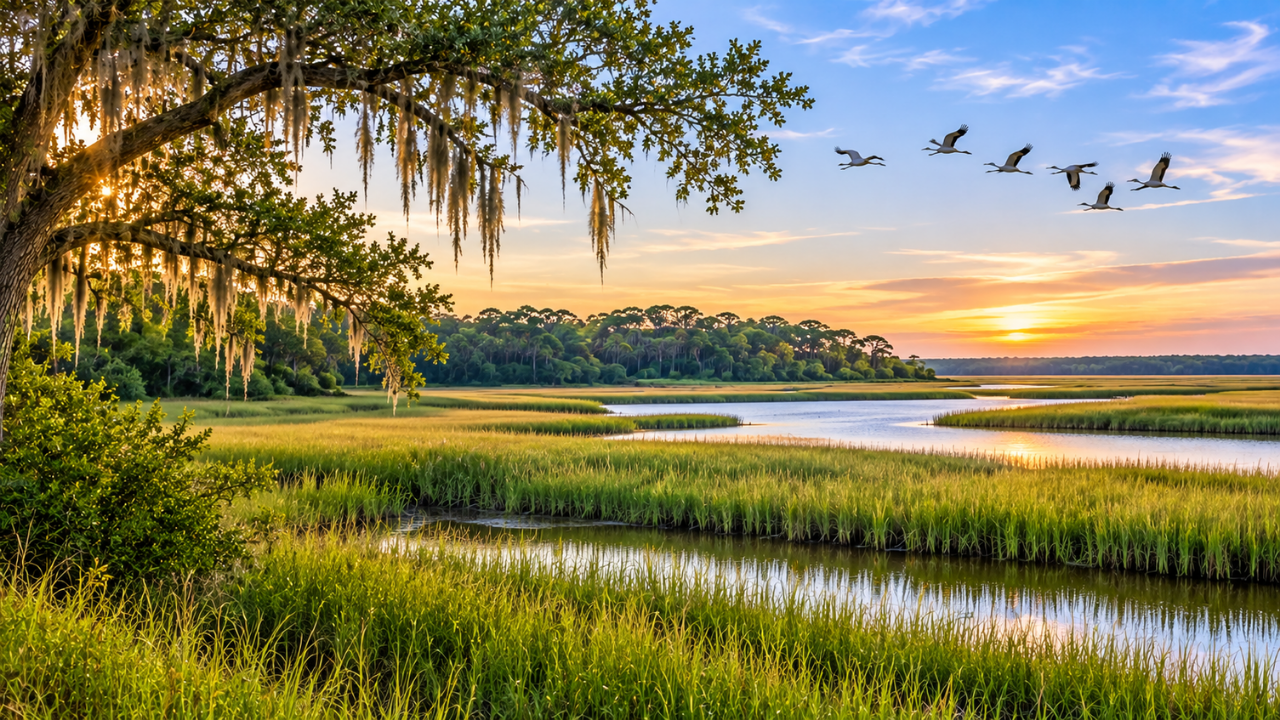
The White Tract's location makes it important to the wider Cape Romain ecosystem. The neighbouring national wildlife refuge contains marshes, beaches and barrier islands that support migratory birds, sea turtles and other wildlife. According to the conservation organisations, Cape Romain provides important habitat and feeding grounds for federally threatened migratory birds. It is also home to more sea turtle nests than anywhere else in South Carolina. The area plays an important role beyond wildlife protection. Its marshes help filter water, support coastal fisheries and provide natural protection against storms and flooding.
Grace Gasper, executive director of Friends of Coastal South Carolina, described the property as a place of global ecological significance. She highlighted its importance as a stopover for birds migrating between South America and the Arctic, as well as its role in supporting wintering waterfowl and sea turtle nesting. Conservation advocates argued that protecting the refuge's existing boundaries would not be enough if neighbouring land remained vulnerable to intensive development. Preserving the White Tract would help maintain a wider natural landscape and reduce the pressure of construction near sensitive habitats.
How the settlement makes permanent conservation possible
The breakthrough came after the Open Space Institute identified a potential funding source for purchasing the property. Pulte then participated in discussions with the institute, SCELP and the conservation organisations to develop an agreement. Under the settlement, Pulte has agreed to sell the entire White Tract to the Open Space Institute for permanent conservation protection. The institute will acquire the land, with the possibility of its future incorporation into the Cape Romain National Wildlife Refuge.
The agreement also provides for SCELP to dismiss the pending legal challenges once the property is permanently conserved. The settlement represents a change from the earlier adversarial dispute, with the developer and conservation groups working together towards a shared outcome. SCELP senior managing attorney Leslie Lenhardt described the agreement as an example of how parties can move beyond opposing positions to achieve a conservation result.
Pulte also agreed to introduce additional environmental enhancements at its Farms at Longleaf community in Hollywood, Charleston County, and the Rock Six community in Dorchester County. These measures are intended to provide further consideration for water quality, wildlife habitat and community health.
What happens next for the White Tract
The parties have yet to announce an official closing date for the transaction. Until the transaction is completed, the proposed transfer to the Open Space Institute remains an upcoming step rather than a completed acquisition. The conservation groups have welcomed the outcome as a significant achievement after two decades of community advocacy. They have also acknowledged support from state and local leaders, including Governor Henry McMaster, the South Carolina Office of Resilience, the Town of Awendaw and Charleston and Dorchester counties.
The agreement is important for more than the future of one property. It demonstrates how conservation organisations, public agencies and private developers can work together to protect environmentally sensitive land while allowing development in more suitable locations.
For the White Tract, a property once considered for hundreds of homes, the proposed sale offers a different future: permanent protection of its natural landscape alongside one of South Carolina's important coastal wildlife refuges.
South Carolina (LOCATION)
the White Tract (ORG)
the Cape Romain National Wildlife Refuge (ORG)
Awendaw (LOCATION)
Charleston County (LOCATION)
The South Carolina Environmental Law Project (ORG)
the Coastal Conservation League (ORG)
Charleston (LOCATION)
Friends of Coastal South Carolina (ORG)
Pulte Home Company (ORG)
Open Space Institute (ORG)
the Town of Awendaw (LOCATION)
SCELP (ORG)
The White Tract's (ORG)
Cape Romain (ORG)