
Technology
These Xiaomi phones are no longer getting support with the latest HyperOS 4 update
Key Points
These Xiaomi phones are no longer getting support with the latest HyperOS 4 update Xiaomi's new software has started rolling out in China, but older phones are being left behind. Owners of a Xiaomi 17 in China are now receiving the latest HyperOS 4 update, which gives Xiaomi's software a new see-through look that's drawn plenty of comparisons to Apple's Liquid Glass. It began rolling out to the company's newest phones and tablets on October 15, 2026, but owners of the Xiaomi 12T and Redmi...
These Xiaomi phones are no longer getting support with the latest HyperOS 4 update
Xiaomi's new software has started rolling out in China, but older phones are being left behind.
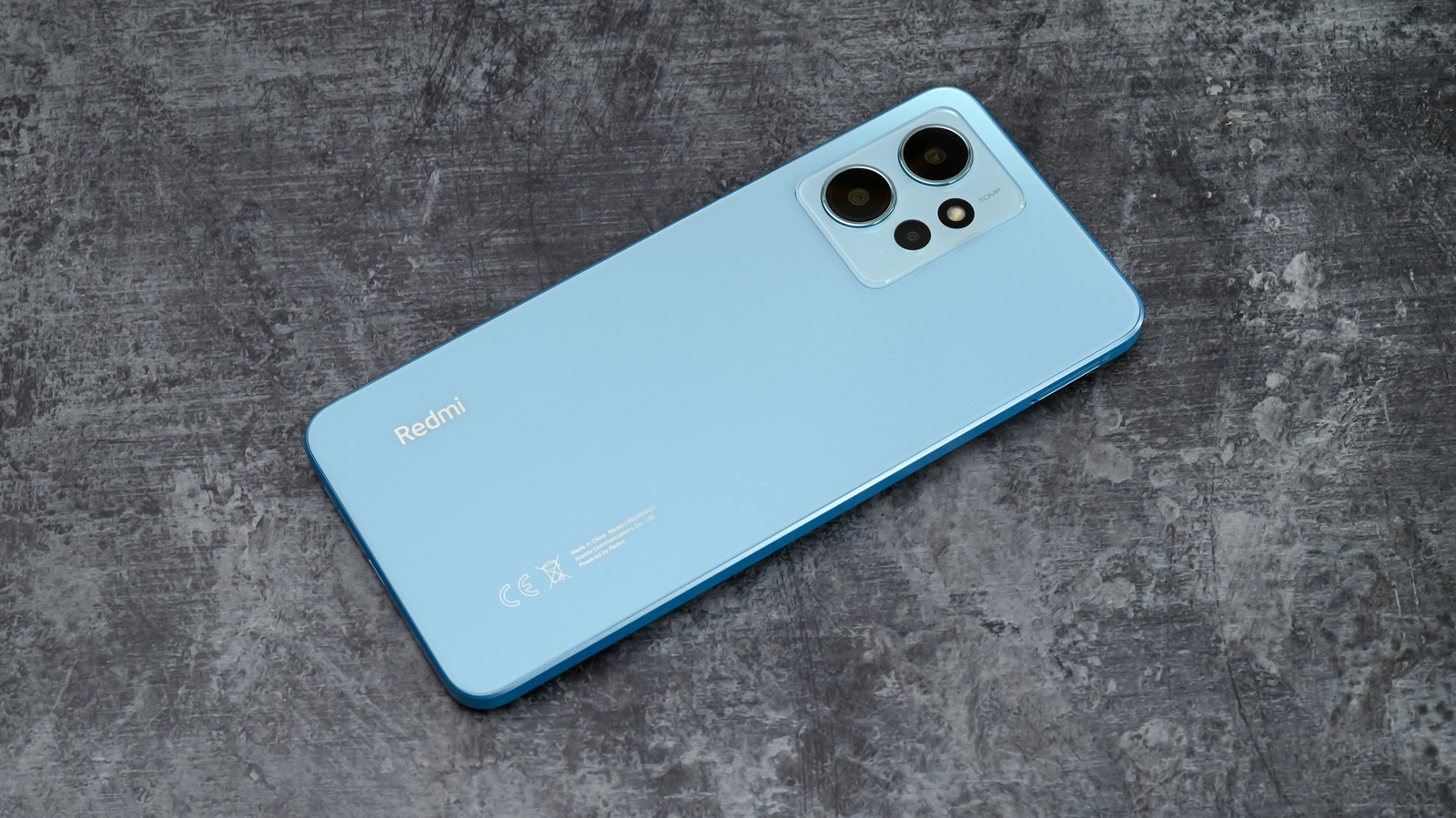
Owners of a Xiaomi 17 in China are now receiving the latest HyperOS 4 update, which gives Xiaomi's software a new see-through look that's drawn plenty of comparisons to Apple's Liquid Glass. It began rolling out to the company's newest phones and tablets on October 15, 2026, but owners of the Xiaomi 12T and Redmi Note 12 are missing out. The update isn't coming to those models, which are already at, or are about to reach, the end of software support.
According to Xiaomi's official rollout schedule, the first batch of HyperOS 4 updates covers the Xiaomi 17 series, Redmi K100 and K90 series and the Xiaomi Pad 8, with more models following in waves through January 2027. Unfortunately, phones that are reaching the end of support this year, including the Xiaomi 12 and 12T, aren't on that schedule. Firmware trackers have also spotted a handful of cheaper models that, while still within their support windows, haven't been tested with HyperOS 4 at all. Xiaomi hasn't confirmed whether they'll miss out, though, and the rollout is only in China for now.
Which phones are getting HyperOS 4?
Xiaomi's schedule for its China firmware rollout lists 57 phones and 15 tablets in total. Following the first batch in mid-October 2026, the Xiaomi 17 Max, 17T and 17T Pro, Redmi K90 Max and Redmi Turbo 5 series were due by October 31, followed by the Xiaomi 15 series, MIX Flip 2, Civi 5 Pro and Redmi K80 series by November 15. The Redmi Note 17 and Note 15 lines come next, by November 30. December's batch is the biggest, taking in the Xiaomi 14 and 13 series, MIX Fold 3 and 4, Redmi K70 series and Redmi Note 14 Pro and 14 5G, while January 2027 is reserved for TVs and wearables.
A global beta opened in September 2026 for the Xiaomi 17, 17 Ultra and the Leica Leitzphone, followed by the 17T, 17T Pro, 15 and 15 Ultra, but Xiaomi hasn't yet provided a date for the global release. Beebom reported on October 11 that Xiaomi still hasn't confirmed a timeline for India or any other market, and Poco phones, which aren't sold in China, don't appear on the schedule at all.
Which phones are being left out?
Xiaomi publishes end-of-support dates on its security center site. Gizmochina has counted 19 devices due to drop off in 2026. The Xiaomi 12 and 12 Pro, Redmi Note 12 5G, Redmi 12C and Redmi A2 and A2+ lost support in March, and the Poco F5 and F5 Pro in May. The Xiaomi 12T and 12T Pro reached the end of the line in October, followed by the Redmi 13C and Poco C65 in November. Once a model winds up on that list, it stops receiving OS upgrades and security patches entirely, so it's worth knowing how to check if your Android phone is still getting security updates. Xiaomi's promises have gotten longer since, with the Xiaomi 15 getting four OS updates and six years of security patches, but that's still short of the seven years Samsung and Google now offer on their flagships.
Ximitime, which tracks Xiaomi's firmware, said there were no signs of HyperOS 4 test builds for any phone capped at Android 16. It named six models that hadn't entered testing: the Redmi Note 13 Pro 4G, Redmi Note 14S, Redmi A5 4G, Poco C71, Poco M6 Pro 4G and Poco X6 5G. Xiaomi hasn't confirmed that these phones are excluded, and some still have years of security updates left. If they are included, they'll stay on HyperOS 3.
Interestingly, the Xiaomi 13 series is on December's list, even though Xiaomi promised it three major Android updates, ending at Android 16, back in 2023. However, Xiaomi hasn't said whether its 13 series is getting Android 17 or a version of HyperOS 4 built on Android 16. With four years of security patches promised from its early 2023 global launch, the Xiaomi 13 is also now one of many popular smartphones in their last year of software support.
What's new in HyperOS 4?
Xiaomi calls the new design Soft Light Glass, a translucent material that it says adjusts its transparency based on the colors and content behind it. The lock screen's clock can now be resized, moved and restyled, much like the iPhones running iOS 26. Per Xiaomi, the full effect will only run on phones sporting a Snapdragon 8 Elite, Dimensity 9500 or Xiaomi's own XRING O1 chip or newer; older phones on the list get a simplified version.
Xiaomi also claims that HyperOS 4 leaves 27.2 percent more memory free after eight hours of use and opens apps 17.5 percent faster after long sessions. Meanwhile, its voice assistant, Super XiaoAI 2.0, now runs on Xiaomi's own MiMo AI model and adds an Expert Mode that can carry out multi-step tasks across apps, though most of the AI features are limited to China for now. HyperOS 4 is reportedly based on Android 17, but Xiaomi's newest phones already got Android 17 in July 2026 through an interim release called HyperOS 3.3.