
Health
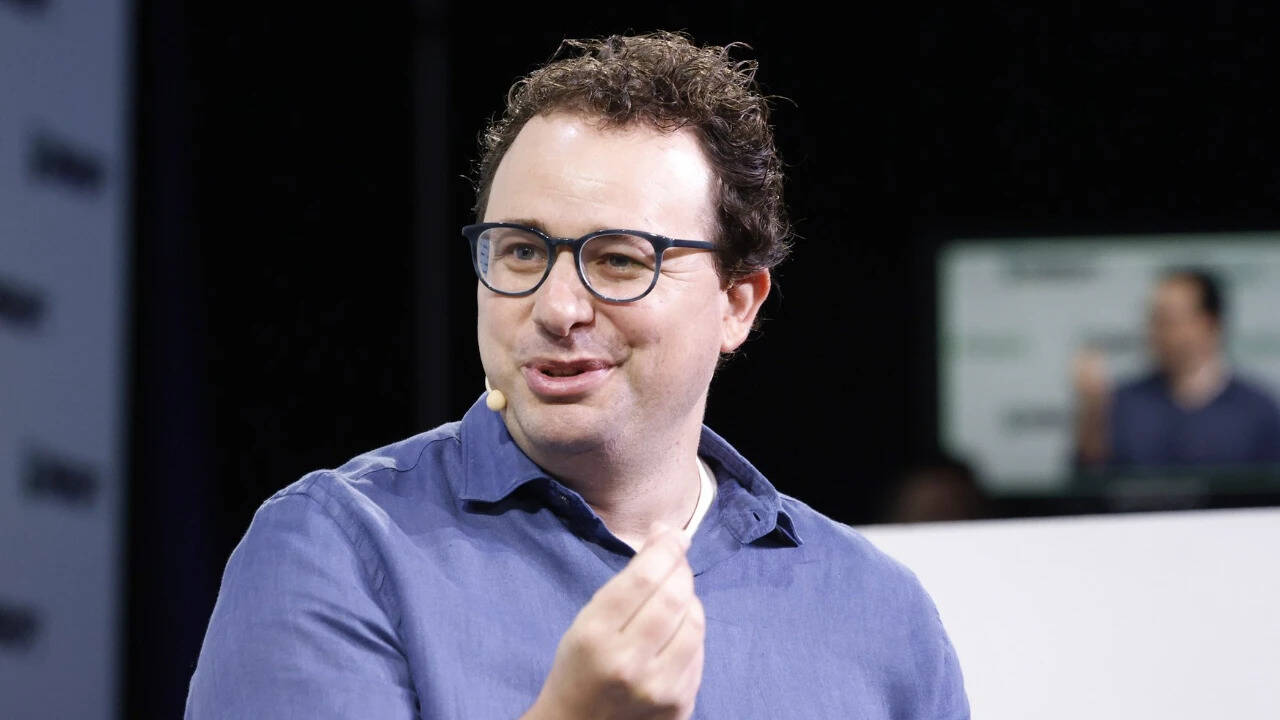
'Cancer will be history in 10 years': Anthropic CEO's big AI-powered promise
Key Points
Anthropic is stepping up its efforts to use artificial intelligence (AI) to accelerate drug discovery, working with biotechnology companies to develop potential treatments for cancer, food allergies and rare diseases. The company behind AI chatbot Claude said it has partnered with six organisations, including Bristol Myers Squibb, Generate Biomedicines and BigHat Biosciences, to explore how AI can speed up different stages of developing new medicines. The announcement comes amid growing...
Anthropic is stepping up its efforts to use artificial intelligence (AI) to accelerate drug discovery, working with biotechnology companies to develop potential treatments for cancer, food allergies and rare diseases.
The company behind AI chatbot Claude said it has partnered with six organisations, including Bristol Myers Squibb, Generate Biomedicines and BigHat Biosciences, to explore how AI can speed up different stages of developing new medicines.
The announcement comes amid growing interest in the use of AI to identify potential drugs, design molecules and reduce the time and cost involved in medical research.
AI helps develop potential cancer treatments
One of the projects involves Generate Biomedicines, which is working to adapt CAR T-cell therapy, traditionally used against blood cancers, to treat solid tumours.
Using Claude Code, six scientists from Generate proposed a redesigned version of a section of the therapy's genetic instructions. The new design was about 70 per cent shorter than the standard version.
Laboratory tests found that it helped immune cells produce roughly 10 times more receptors, improved their ability to kill tumour cells and allowed them to remain active for longer.
Another collaboration with BigHat Biosciences focused on improving two potential drug candidates, including one designed to target cancer cells.
After testing around 1,010 variations, researchers found that the best version bound to its target more than 10 times as tightly as the original.
AI takes on drug discovery and research
Anthropic also said its collaboration with Divergence Labs generated around 35,000 antibody designs in approximately a month to develop a potential treatment for food allergies.
Separately, its work with Enveda helped reduce the time required for human review of manufacturing documents by 89 per cent.
Anthropic has also started its own drug discovery programmes, including research into rare childhood forms of muscular dystrophy.
However, the company cautioned that much of this research remains at the preclinical stage, meaning the potential treatments have not yet reached human trials.
It said one of its muscular dystrophy drug candidates could be ready to enter human clinical trials as early as late 2028, provided the promising results continue to hold up.