
Environment
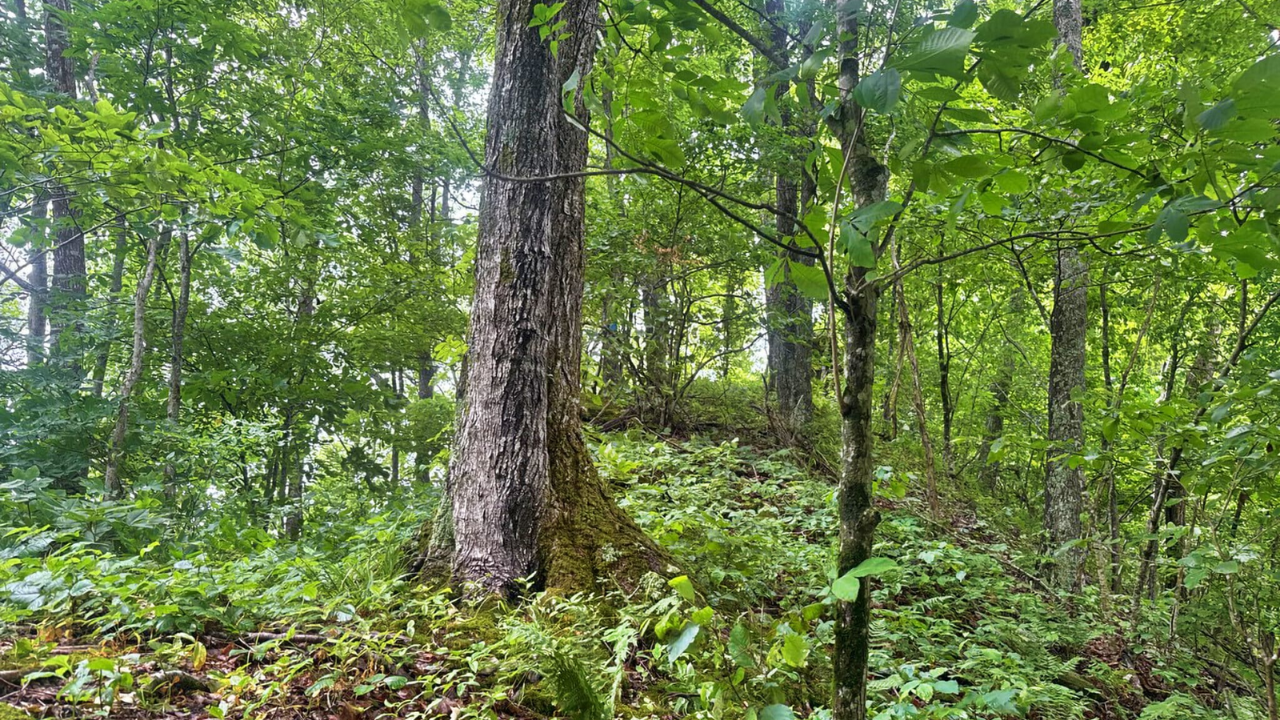
Kentucky family's 100-year land becomes Black Mountain's first nature preserve
Key Points
The Cawood family owned a stretch of Kentucky's Black Mountain for more than 100 years before the land received permanent protection as a nature preserve. The 1,126-acre property, known as Black Bear Fold, is the first nature preserve established on Black Mountain, marking a significant conservation milestone for the Central Appalachian region. The Kentucky Natural Lands Trust (KNLT) announced the acquisition on November 18, 2026, describing it as its most significant land purchase of the year.
The Cawood family owned a stretch of Kentucky's Black Mountain for more than 100 years before the land received permanent protection as a nature preserve. The 1,126-acre property, known as Black Bear Fold, is the first nature preserve established on Black Mountain, marking a significant conservation milestone for the Central Appalachian region.
The Kentucky Natural Lands Trust (KNLT) announced the acquisition on November 18, 2026, describing it as its most significant land purchase of the year. Located within a few miles of Kentucky's highest peak, the preserve will protect wildlife habitats, forest landscapes and important water sources while expanding a wider conservation corridor across the Appalachian Highlands.
A family's century-old connection to Black Mountain
The land on the northern side of Black Mountain belonged to the Cawood family for more than 100 years before its sale to KNLT. During that period, the wider mountain landscape experienced significant changes as industrial activity expanded across Appalachia.
Underground coal mining and selective logging took place on the property, reflecting the region's long history of resource extraction. The Appalachian Highlands supplied minerals and timber that fuelled the American and global economies during the 20th century. Despite this industrial history, the property retained conservation value because of its forests, waterways and location within an important wildlife landscape.
Ed Parsons, a member of the Cawood family, said the family was pleased that the land had passed into the hands of an organisation committed to protecting the region. He said KNLT's conservation mission was the main reason the family agreed to sell the property. Parsons also expressed confidence that the land's natural beauty would be preserved for future generations.
Why the 1,126-acre preserve matters
Black Bear Fold is located about 13 miles northeast of Harlan, Kentucky. Its position makes it an important addition to the Appalachian Highlands Wildlands Corridor, a network of federal, state and privately protected conservation lands. According to KNLT, the new preserve borders approximately 9,400 acres of existing conservation lands along nearby Pine Mountain. It also complements a conservation easement established by the state of Kentucky in 1999 at Black Mountain's 4,145-foot summit.
The larger region is recognised for its exceptionally diverse temperate forests and waterways. It supports American black bears, green salamanders, Indiana bats, Canada warblers, yellow lady's-slippers and blackside dace, among thousands of other species. More than 250 species in this landscape are considered rare, and a few are found nowhere else in the world.
The preserve's higher elevations provide specialised habitats for species such as Turk's cap lilies and breeding populations of Canada warblers. The property also forms part of an important bird migration route, offering protected habitat to neotropical songbirds that spend the winter in Central and South America.
Protecting water sources and supporting research
Beyond wildlife conservation, Black Bear Fold is expected to help safeguard headwater streams that contribute to local drinking water supplies. Protecting these waterways is important for surrounding communities, particularly as the region works to balance environmental conservation with its economic and cultural history. The mountain landscape also includes scenic views that support regional tourism. KNLT plans to support scientific conservation research at the preserve, with guided hiking and birdwatching opportunities also planned.
The organisation also highlighted the importance of recognising the region's human history. Indigenous communities, including the Cherokee, Shawnee and Yuchi, inhabited and travelled through the Appalachian Highlands long before European American settlement.
A wider conservation partnership
The acquisition was made possible through support from several organisations and funding partners, including Appalachia Rising, a Re:wild-sponsored initiative, the Gatinais Foundation, the James Graham Brown Foundation, the Open Space Institute's Appalachian Landscapes Project, The Nature Conservancy's Appalachians Program and the Imperiled Bat Conservation Fund. KNLT said the project reflects the importance of partnerships in protecting large landscapes and creating connected habitats.
The organisation has already safeguarded more than 65,000 acres across Kentucky and Central Appalachia. With Black Bear Fold, its conservation work now extends further into Black Mountain.
The preserve's establishment also represents a shift in how the region's natural resources can be valued. After generations of mining and logging shaped the mountain's history, the newly protected land will focus on preserving its forests, wildlife and waterways for the future.
Kentucky (LOCATION)
Black Mountain's (LOCATION)
Cawood (ORG)
Black Mountain (LOCATION)
Black Bear Fold (ORG)
Central Appalachian (LOCATION)
The Kentucky Natural Lands Trust (ORG)
KNLT (ORG)
the Appalachian Highlands (LOCATION)
Appalachia (LOCATION)
Appalachian Highlands (LOCATION)
American (ORG)
Ed Parsons (PERSON)
Parsons (ORG)
Harlan (LOCATION)