
Environment
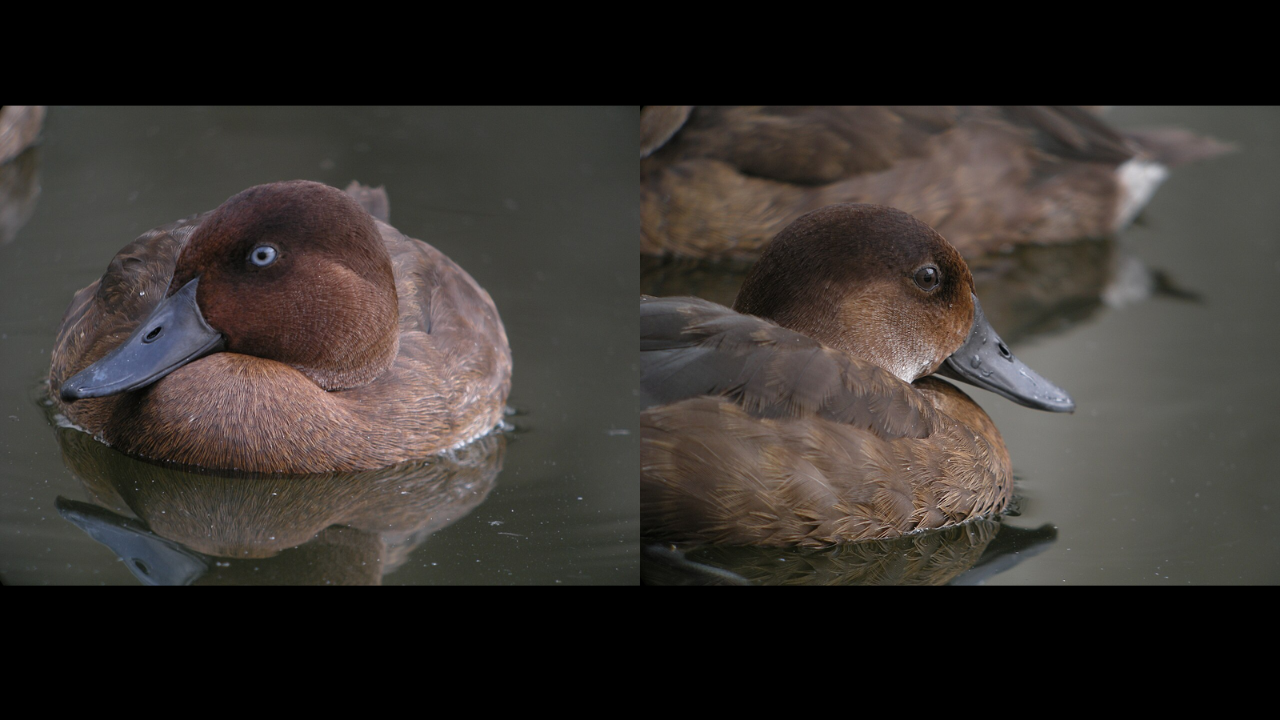
Madagascar conservationists carried 15 eggs of the world's rarest duck on foot to a breeding centre
Key Points
We often tell our children stock delivers babies. But, who delivers the baby of the birds? Us humans, apparently.
We often tell our children stock delivers babies. But, who delivers the baby of the birds? Us humans, apparently.
Conservationists of Madagascar carried out a 44 km-long journey on foot to deliver 15 eggs of the rarest duck in the world to a specialist breeding centre. When heavy rainfalls threatened nests of the Madagascar pochards, conservationists from
Durrell Wildlife Conservation Trust and
The Peregrine Fund undertook this mission, which has led to the successful raising of 6 Madagascar pochards.
About the bird
The Madagascar pochard (
Aythya innotata), locally known as the fotsimaso, is a diving duck found exclusively in Madagascar. It is recognised as the world's rarest duck and is classified as Critically Endangered.
The bird was once believed to have disappeared entirely. After its last confirmed sighting in 1991, the species was presumed extinct for several years. However, in 2006, researchers discovered a tiny surviving population of just nine adult birds at Lake Matsaborimena in northern Madagascar. The discovery offered a second chance to save a species that conservationists had almost given up on finding.
The pochard typically inhabits freshwater lakes and wetlands, where it dives beneath the surface to feed on aquatic invertebrates and submerged vegetation. Unfortunately, these habitats have been increasingly affected by human activity. Wetland drainage, agricultural expansion and the introduction of non-native fish have contributed to the loss and degradation of the bird's natural habitat.
With such a small surviving population and a limited breeding range, even a single difficult breeding season can have serious consequences.
Their mission
The latest rescue operation began in November 2025, when heavy rainfall threatened the nests at Lake Matsaborimena, the species' only known wild nesting site. The rising water and difficult weather conditions put the eggs at risk, making it necessary for conservationists to find another way to protect them.
Teams from the Durrell Wildlife Conservation Trust and The Peregrine Fund worked together to collect 15 fertile eggs from the lake. The Peregrine Fund manages the Bemanevika Protected Area, where the wild population is found, while Durrell has been leading much of the species' long-term recovery programme.
Rather than leave the eggs vulnerable to the weather, the teams decided to transport them to Durrell's specialist breeding centre in Antsohihy, where they could be incubated under controlled conditions.There was, however, one problem. The breeding centre was 44 km away, and the journey could not be completed by vehicle.
The conservationists packed the eggs into a cooler and carried them on foot across 44 km of challenging terrain. Their route took them across rivers, misty open plains and hanging bridges. Heavy rainfall had also made several roads impassable to cars, leaving walking as the only practical option.
The team used a traditional Malagasy method to carry the eggs safely, carefully transporting their precious cargo over the long distance. Once they reached Antsohihy, the eggs were placed in incubators at the specialist breeding centre.
Of the 15 fertile eggs collected, six successfully hatched. More importantly, all six birds were subsequently raised to adulthood, demonstrating that the entire process, from collecting eggs in the wild to transporting, incubating and raising them, could work.
Delivery of a new life
The six birds are part of a much larger conservation effort that has been underway since the species was rediscovered in 2006. Alongside captive breeding, the programme has involved restoring habitats, establishing new wild populations and reintroducing birds into suitable lakes.
Today, approximately 180 Madagascar pochards are estimated to exist across wild and captive populations. While this is a considerable improvement from the nine adults discovered two decades ago, the species remains extremely vulnerable.
While six ducks may seem like a small victory, successfully raising them has proved that conservationists have another way to protect the species when nature does not cooperate. The 44 km journey was certainly an unusual way to welcome a new generation, but for the Madagascar pochard, it could be another step away from extinction.