
Environment
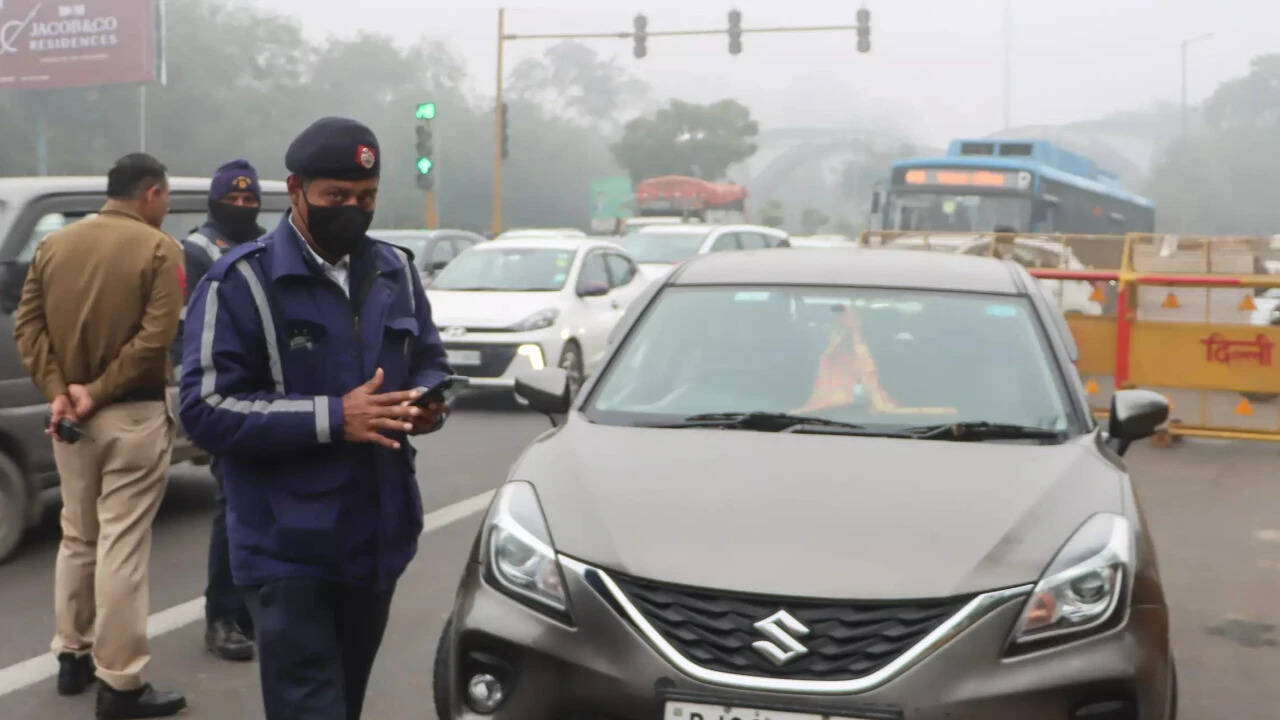
Only BS-VI vehicles in Delhi? SC mulls 5-year plan to keep commercial vehicles out
Key Points
SC is considering allowing only BS-VI vehicles in Delhi and a five-year plan to keep commercial vehicles out of the capital. The Supreme Court on Monday indicated that it may consider allowing only vehicles meeting Bharat Stage-VI (BS-VI) emission standards to operate in Delhi as part of efforts to tackle worsening air pollution. The bench, headed by Chief Justice of India Surya Kant, also proposed a five-year plan to eventually keep commercial vehicles out of the national capital by...
SC is considering allowing only BS-VI vehicles in Delhi and a five-year plan to keep commercial vehicles out of the capital.
NEW DELHI: The Supreme Court on Monday indicated that it may consider allowing only vehicles meeting Bharat Stage-VI (BS-VI) emission standards to operate in Delhi as part of efforts to tackle worsening air pollution. The bench, headed by Chief Justice of India Surya Kant, also proposed a five-year plan to eventually keep commercial vehicles out of the national capital by shifting the unloading of goods to warehouses at Delhi's borders and using cleaner vehicles for deliveries within the city.A bench of CJI Surya Kant and Justices Joymalya Bagchi and V Mohana made the observations while hearing a matter concerning air pollution in Delhi-NCR.“We are clear we will allow only BS-VI vehicles in Delhi, if not NCR,” news agency ANI quoted the bench as saying.
SC proposes warehouses at Delhi borders
The court suggested setting up warehouses at Delhi's borders where commercial vehicles could unload goods. These could then be transported into the city using smaller battery-operated or other non-polluting vehicles.The arrangement would ensure that essential commodities, including vegetables, fruits and other daily-use items, continue to reach residents even if commercial vehicles are barred from entering Delhi.
“Why not how to ensure that commercial vehicles don't enter Delhi at all? But it does not mean that Delhi people don't require things. They have lot of necessities. They require vegetables, they require fruits, they need other day-to-day items, daily items. So everything will have to be available. So what can be the alternative?,” asked the bench.
“Can there be something that at the border some warehousing so that you have some other battery-operated vehicles or non-polluting vehicles to bring them inside the city?” the CJI said.The bench clarified that the proposal may not be practical immediately but could be developed over the next five years as a long-term measure to reduce vehicular emissions.The Supreme Court is hearing suo motu proceedings on air pollution in Delhi-NCR. The case covers several sources of pollution, including firecrackers, crop residue burning and solid waste management.
Aastha Jha is a writer at The Times of India, covering politics. She also writes on business, global affairs, social issues, with a focus on policy, governance and their impact on everyday lives. Her work brings together reportage and analysis, tracking developments in India and abroad while examining the broader social and economic currents shaping public discourse.