
Weather
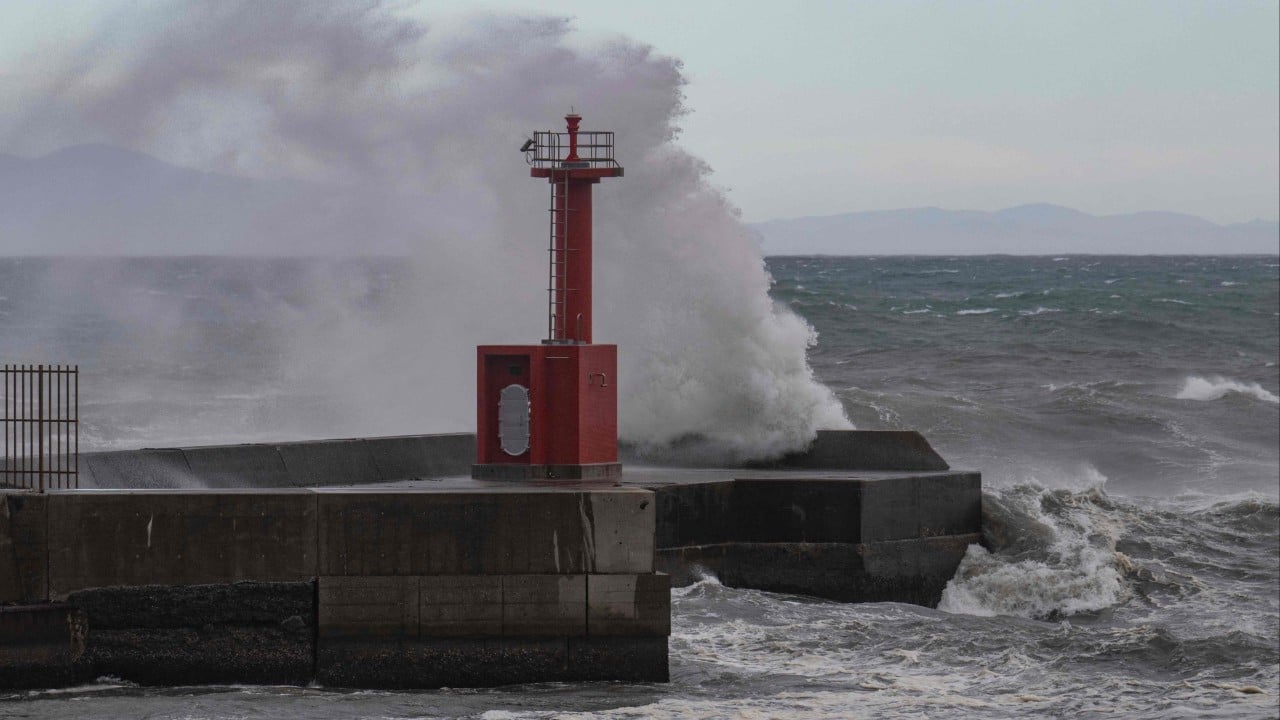
Japan’s looming typhoon crisis threatens disaster defences and tourism
Key Points
Japan’s looming typhoon crisis threatens disaster defences and tourism Up to 28 typhoons are predicted to affect Japan this year, with 14 likely to make landfall – close to historical extremes Japan could be heading into one of the worst typhoon seasons in its history, raising fears that stronger, more frequent storms will challenge not only the country’s disaster defences but also a summer travel industry already stretched by packed trains, hotels and itineraries. Tokyo-based Weathernews, a...
Japan’s looming typhoon crisis threatens disaster defences and tourism
Up to 28 typhoons are predicted to affect Japan this year, with 14 likely to make landfall – close to historical extremes
Japan could be heading into one of the worst typhoon seasons in its history, raising fears that stronger, more frequent storms will challenge not only the country’s disaster defences but also a summer travel industry already stretched by packed trains, hotels and itineraries.
Tokyo-based Weathernews, a private meteorological firm providing long-range forecasts across Asia, has predicted that as many as 28 typhoons could affect Japan this year, with up to 14 potentially making landfall – well above the usual level and close to historical extremes.
In a typical year, about 25 storm systems form in the western North Pacific, while fewer than three usually strike Japan’s main islands. The country’s record of 33 typhoons forming in a single year was set in 1994, while the highest number to make landfall is 10, in 2004.
Clean-up work is still under way in parts of central Japan after Jangmi made landfall in southern Wakayama prefecture in the early hours of June 3.
The Japan Meteorological Agency issued a Level Five emergency warning for flooding along some rivers in the prefecture and urged residents to evacuate to higher ground, while Level Four warnings for extensive flooding and landslides were issued for Tokyo, Kanagawa prefecture and seven other prefectures across eastern Japan.
Airlines cancelled 524 domestic flights, while shinkansen bullet trains, regular rail services and metro lines were cancelled or delayed.