
Health
Health screening in Singapore: A more proactive approach to preventive care
Key Points
Health screening in Singapore: A more proactive approach to preventive care Protocol combines comprehensive blood screening, doctor consultations and health coaching to help patients better understand their health risks and act earlier. At 17, Mr Mehdi Elaichouni was diagnosed with Crohn’s disease, a chronic inflammatory condition affecting the intestinal tract. While treatment helped manage acute flare-ups, he felt his care focused mainly on symptoms.
Health screening in Singapore: A more proactive approach to preventive care
Protocol combines comprehensive blood screening, doctor consultations and health coaching to help patients better understand their health risks and act earlier.
At 17, Mr Mehdi Elaichouni was diagnosed with Crohn’s disease, a chronic inflammatory condition affecting the intestinal tract. While treatment helped manage acute flare-ups, he felt his care focused mainly on symptoms.
“There was no support for lifestyle change, no nutrition guidance, no psychological help and no one looking at the bigger picture of my health,” he said. “There were periods I felt fine while my markers told a different story, and the opposite was also true.”
Over time, Mr Elaichouni began experimenting with different ways to manage his health. Martial arts, which he trained and competed in, became an important outlet for both physical and mental well-being. Combined with years of medical treatment, biomarker tracking and lifestyle adjustments, the condition eventually went into remission.
That experience later led him to start Protocol, a preventive health company that brings together testing, medical consultations and ongoing health support. Fully licensed by the Singapore Medical Council and regulated by the Ministry of Health and Health Sciences Authority, the company aims to help patients move beyond one-off screenings towards more sustained preventive care.
“It is the system I wish I had when I was younger,” said Mr Elaichouni, who is also the company’s CEO.
GETTING TO THE CORE OF ONE’S HEALTH
Protocol’s annual Core Health Membership starts with its Core Health Test, a blood screening that covers more than 100 biomarkers. Patients then consult doctors to review the results and work with a care team on a personalised health plan. Abnormal markers can be retested after six months to track progress and guide adjustments.
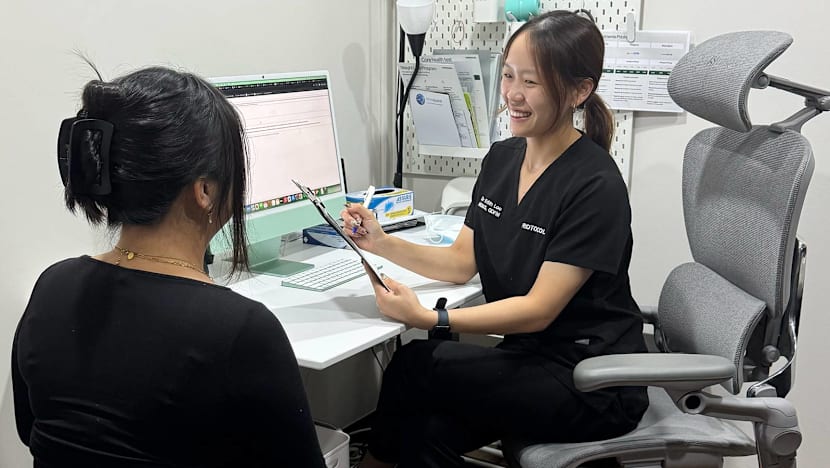
Family physician Dr Edith Loo, Protocol’s lead clinician, said standard health screenings are generally designed to detect existing disease, rather than assess longer-term health risks.
“The markers linked to cardiovascular, metabolic and hormonal health – such as apolipoprotein B, lipoprotein(a), fasting insulin and a full hormone panel – are not routinely included in most standard screenings,” she said. “A patient can leave an annual check-up with a clean bill of health while still carrying underlying risk factors.”
For example, Dr Loo said lipoprotein(a) testing may help identify cardiovascular risk in otherwise healthy patients, while fasting insulin can flag insulin resistance before changes appear in HbA1c (a blood sugar marker) readings.
She added that for healthy individuals, more detailed screening can provide both a baseline and an early warning system. “Take a 30-year-old man with no symptoms. Measuring his hormones today, including total and free testosterone, oestradiol and sex hormone-binding globulin, gives us a personal baseline,” she said. “If those values decline in his forties, we know where he started from and can intervene early.”
SUPPORT BEYOND THE CONSULTATION ROOM
Protocol also offers doctor-led programmes, including medical weight loss with glucagon-like peptide-1 (GLP-1) medication, and hormone optimisation for men.
Its GLP-1 programme begins with a consultation covering lifestyle, exercise, diet and medical history. Clinicians also assess whether factors such as hypothyroidism or medication use may be contributing to weight gain before prescribing treatment.
Patients are supported through doctor consultations and coaching from certified nutritionists. “The care team works with patients on areas such as protein and fibre intake, structured exercise and body re-composition, which is the process of reducing fat while building muscle,” said Dr Loo. “The goal is to help patients maintain their weight after coming off medication.”
For men considering testosterone replacement therapy, Protocol starts with a hormone panel and a clinical assessment of symptoms such as low energy, poor recovery, reduced libido and changes in mood, cognition or body composition. Where treatment is appropriate, Dr Loo said patients are monitored throughout the process.
Mr Elaichouni said Protocol’s care model was shaped partly by his background in fitness and performance training. Before founding the company, he co-founded martial arts brand Carpe Diem in Singapore and competed in Brazilian jiu-jitsu.
He said the company’s approach combines medical oversight with practical lifestyle support. Doctors interpret the data and prescribe treatment where needed, while coaches help patients build habits around areas such as nutrition, exercise and recovery.
“Coaches make the plan liveable and keep patients accountable,” he said. “Diagnosis without behaviour change is just information.”
THE PUSH TOWARDS PREVENTIVE CARE
Protocol recently raised US$1 million (S$1.28 million) in pre-seed funding led by DSG Consumer Partners, with participation from Lightspeed Venture Partners.
The company is developing a patient dashboard that allows members to track their blood work over time. Currently in beta, the platform displays biomarker trends alongside longevity insights and personalised guidance from the care team. The aim is to turn test results into a longer-term health record that patients can understand and act on.
Mr Elaichouni believes more people in their 30s and 40s are starting to take a more proactive approach to health, contributing to growing interest in data-driven preventive care.
“Healthcare is moving from disease management to performance and longevity,” he said. “Protocol sits at that intersection. We are clinically rigorous in the way medicine demands and outcome-driven in the way performance demands.”
Join Protocol’s Core Health Membership, an annual programme that includes a 100+ biomarker blood test, doctor consultations, a personalised care plan and a six-month rescreen to track progress.