
Technology
Is NFC charging the secret to nicer-looking smartglasses?
Key Points
Is NFC charging the secret to nicer-looking smartglasses? One company's prototype offers some clues. If you've been testing and writing about smartglasses for as long as I have then you're used to a lot of questions along the lines of "why do they look like that?"
Is NFC charging the secret to nicer-looking smartglasses?
One company's prototype offers some clues.
If you've been testing and writing about smartglasses for as long as I have then you're used to a lot of questions along the lines of "why do they look like that?" Though smartgasses have come a long way in the last few years, most frames are still significantly thicker than the eyewear most people are used to wearing.
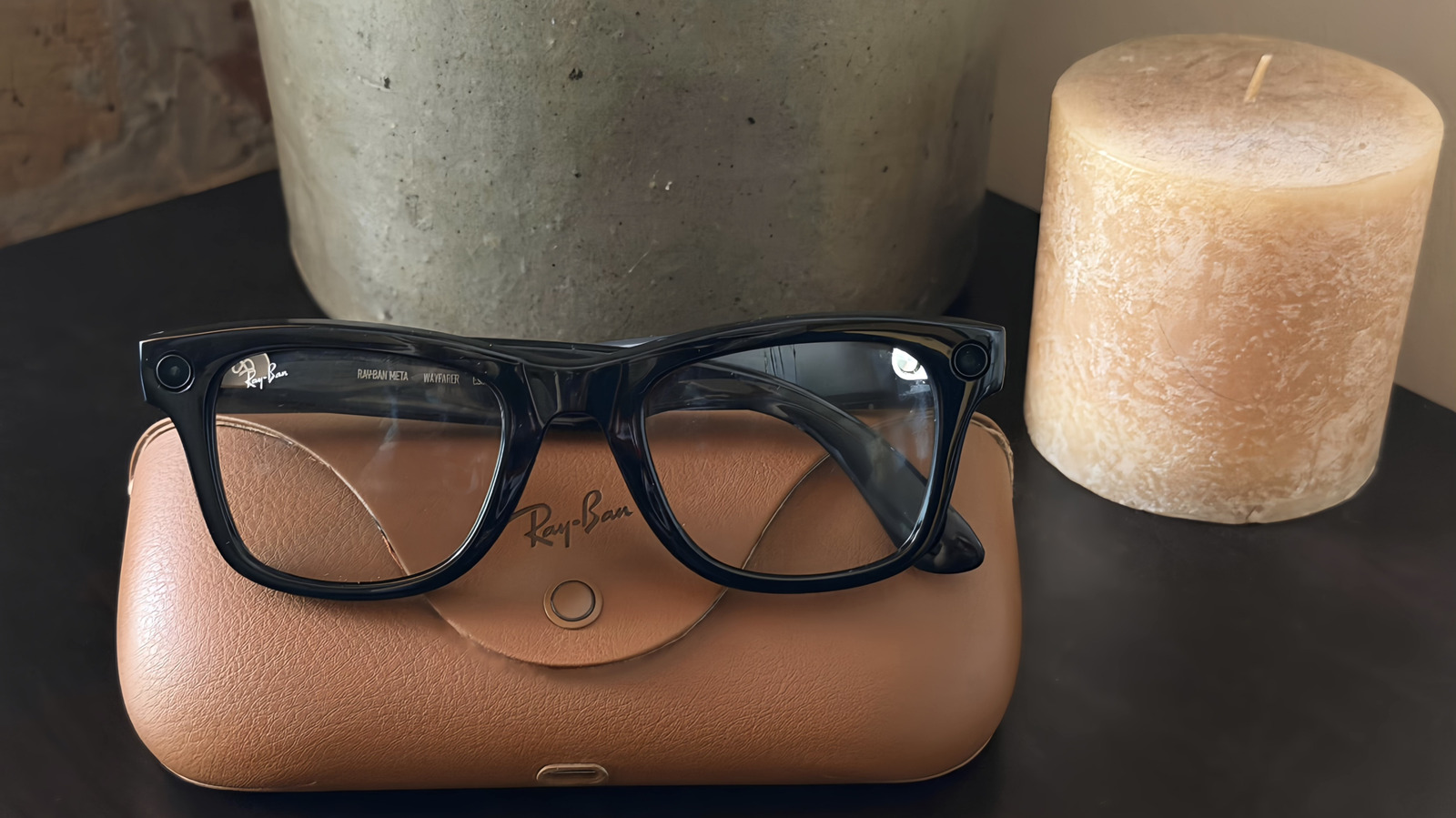
But advances in wireless charging tech could help give glasses makers more leeway to create slimmer designs. At Augmented World Expo (AWE) this week, wireless charging company NuCurrent is showing off a pair of Ray-Ban Meta glasses it modified to charge in its case wirelessly via NFC.
Currently, smartglasses from Meta and many other companies rely on pieces embedded in the glasses' nosebridge called pogo pins for charging. It's why you need to push the frames firmly into the case in order to establish a connection. But those pieces are also a big reason why Meta's existing lineup of glasses all look so similar, says NuCurrent CEO Jacob Babcock.
But in NuCurrent's prototype, the Ray-Ban Meta glasses instead use a small coil embedded in the arm of the frames to connect to a transmitter in the case. The company says the prototype can reach a 50 percent charge in 20 minutes, which is roughly the same charging time for Meta's existing glasses. The company says the prototype is proof better designs are possible, though it may take some time for the industry to get there.
While pogo pins are largely to blame for chunky nosepieces in smartglasses, the coils necessary for NFC-based charging are "measured in tenths of millimeters" Babcock says, potentially freeing up significant space. "Every cubic millimeter is very important inside of smartglasses," he tells Engadget.
NFC-based charging could also open up the possibility for universal chargers for smartglasses and other wearables, much like how Qi became a universal standard for wirelessly charging smartphones, though Babcock says it could still be a few years before something like that is possible for glasses and other AI-powered wearables.
But Babcock says that glasses makers are looking for ways to create more and better designs for these products. NuCurrent has already partnered with Ray-Ban maker Essilor Luxottica on the company's Nuance Audio glasses, and he believes other eyewear brands have a good reason to follow suit.
"What companies are realizing is that face-worn technology must be much more fashionable and provide a diversity of options compared to last generation personal tech," Babcock says. "In order to enable scale, you need to get rid of these technology limitations."
[Image text:] RAPNMETA WAVFARER