
Business & Finance
Analysis:BOJ deputy's brief moment at the helm reveals deeper inflation anxiety
Key Points
Analysis:BOJ deputy's brief moment at the helm reveals deeper inflation anxiety TOKYO, June 17 : When the Bank of Japan's second-in-charge stepped in for his sick boss at this week's historic policy meeting, he delivered a surprisingly blunt message: The bank was in danger of falling behind the curve on inflation. Deputy Governor Shinichi Uchida, a career central banker seen as among prospects to become the next bank chief, took on the role to brief media on the BOJ's landmark decision to...
Analysis:BOJ deputy's brief moment at the helm reveals deeper inflation anxiety
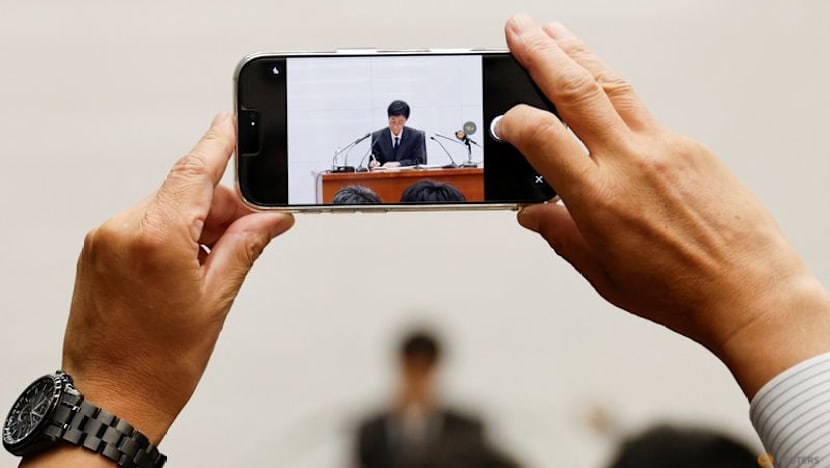
TOKYO, June 17 : When the Bank of Japan's second-in-charge stepped in for his sick boss at this week's historic policy meeting, he delivered a surprisingly blunt message: The bank was in danger of falling behind the curve on inflation.
Deputy Governor Shinichi Uchida, a career central banker seen as among prospects to become the next bank chief, took on the role to brief media on the BOJ's landmark decision to lift interest rates to a 31-year high of 1 per cent on Tuesday.
While he gave no clear signals on the next rate-hike timing, Uchida sounded hawkish enough to avoid causing a plunge in the yen, a reflection of his expertise in dealing with markets, analysts say.
Avoiding some of the ambiguous language used by Governor Kazuo Ueda at post-meeting press briefings, Uchida, a key architect of many BOJ policies, gave investors a rare glimpse behind the curtain on the bank's thinking around inflationary risks.
"Price rises are broadening, and there is a risk that underlying inflation may deviate from our target," he said, stressing the need to stabilise price growth around the 2 per cent goal.
Uchida also said the BOJ was vigilant to yen moves as firms have become more active in passing on rising import costs from the currency's weakness.
"Uchida was as always, clear and stable. His remarks left no room for error, leaving FX markets with no opportunity to engage in speculative trading," said former BOJ official Shigeto Nagai, who is currently head of Japan economics at Oxford Economics.
That contrasts with comments made by Ueda in the past that have been interpreted by markets as tolerating a weak yen, causing the currency to plunge and triggering yen-buying intervention by the Ministry of Finance.
'SIMPLE AND CONCISE'
Having been discharged from hospital just last month after being treated for leukemia, the 63-year-old deputy carefully read off a prepared script at the outset making the case for further rate hikes to forestall risks of an inflation overshoot.
The key message remained the same: With financial conditions still accommodative, the BOJ will continue to push up borrowing costs with a careful eye on the fallout from headwinds like the Middle East conflict.
But the style was notably different from academic-turned-governor Ueda, who would offer elaborate, thorough explanations on his views through models and economic predictions.
In contrast, Uchida thinks and speaks pragmatically, focusing on the reality of making decisions amid uncertainties, say people who have worked under him.
"While Ueda would add layers of explanations to make his case, Uchida keeps his comments simple and concise," said Seisaku Kameda, a former top BOJ economist who worked for both.
"Uchida will be clear and brief on what the BOJ knows or can say. For the unknowns, he's completely silent."
That difference in style was on display when Uchida bluntly played down the effectiveness of the BOJ's neutral rate estimate as a tool in setting future policy.
While Ueda also explained the limits of using neutral rates, or the rate that neither cools nor overheats the economy, as a policy gauge, he had signalled the need to make internal efforts to enhance the estimates.
BEHIND-THE-CURVE RISK
Before becoming deputy governor in 2023, Uchida spent most of his career at the BOJ's elite monetary affairs department, which drafts policy ideas and speeches of its executives.
He was involved in both the introduction and dismantling of negative interest rates and yield curve control, unconventional policy tools aimed at reflating the economy.
Given his deep monetary policy expertise, some market players see Uchida as a strong candidate to succeed Ueda at the helm when his term ends in 2028.
"Uchida's remarks were solid and grounded on his long experience as a career central banker," said Mari Iwashita, executive rates strategist at Nomura Securities.
"Instead of elaborating on the various uncertainties, he laid out the BOJ's focus on inflation risks very clearly."
By stressing his conviction Japan was now seeing a sustained cycle of moderate wage and price rises, Uchida challenged views of himself as a policy dove, held by some in markets due to his past aversion to rate hikes.
Under former Governor Haruhiko Kuroda, Uchida drafted a speech blaming tepid wage growth for prolonging deflation, and advocated ultra-loose policy to overheat the economy until labour shortages forced firms into hiking pay.
This week, Uchida declared a successful end to deflation thanks to the BOJ's past stimulus and flagged upward price risks as the new concern.
STEPPED UP PROFILE, NEW MESSAGING
The BOJ has said Ueda will return from hospital in time to attend and chair the next policy meeting in July.
But Uchida's remarks are likely to continue drawing market attention due to his strong influence on policy-making and past records of dropping clear signs on near-term policy shifts. If health allows, he is likely to make public appearances two or three times a year as is the case for other board members.
Some analysts expect Ueda may now also start to more openly echo his deputy's concerns that the BOJ is falling behind the curve in combating inflation risks.
"For the first time, the BOJ cited the risk of being behind the curve as among reasons to raise rates. That's a big change showing its alarm over mounting price pressures," said Kameda, who is currently an economist at Japan's Sompo Institute Plus.
"With such imminent and real risk looming, the policy message should be pretty clear with little room for ambiguity."