
Health
Period poop is real: Why you may be constipated one week and going to the loo more the next
Key Points
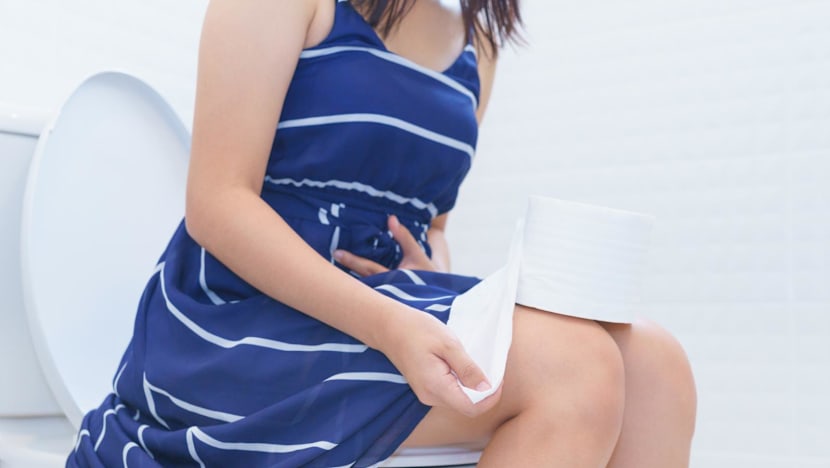
Period poop is real: Why you may be constipated one week and going to the loo more the next From feeling bloated and constipated before your period to making more frequent trips to the toilet when you’re on it, hormonal changes throughout the menstrual cycle can affect bowel movements. Experts explain why this happens, what’s normal and when to seek medical advice. If your period poop feels different from other times of the month, you’re not imagining it.
Period poop is real: Why you may be constipated one week and going to the loo more the next
From feeling bloated and constipated before your period to making more frequent trips to the toilet when you’re on it, hormonal changes throughout the menstrual cycle can affect bowel movements. Experts explain why this happens, what’s normal and when to seek medical advice.
If your period poop feels different from other times of the month, you’re not imagining it. It’s not uncommon to have loose stools or to visit the toilet more often during those few days.
This is due to hormonal changes in your body. In fact, hormones influence your bowel habits throughout your menstrual cycle.
Assistant Professor Jill Lee, who is both an obstetrician and gynaecologist and urogynaecologist at KK Women’s and Children’s Hospital (KKH), explained that hormones like oestrogen and progesterone affect bowel movements.
In the first half of your menstrual cycle, oestrogen levels rise. After ovulation, progesterone rises and both hormones remain elevated before falling if pregnancy does not occur.
The interplay between oestrogen and progesterone across your menstrual cycle can contribute to alternating constipation and looser stools, because of the impact they have on the digestive process and your intestines.
“Following ovulation, rising progesterone levels slow down digestion, which can cause constipation,” said Asst Prof Lee, a senior consultant at KKH’s Department of Urogynaecology. “Just before your period, oestrogen and progesterone levels drop sharply and this makes your intestine muscles contract more quickly, causing faster bowel movements.”
During your period, there is also an increase in hormone-like compounds known as prostaglandins.
Dr June Tan Sheren, consultant family physician at Tucker Medical, said these compounds have many functions in the body, including mediating inflammation, blood flow, pain and uterine contractions during menstruation and labour.
“Elevated prostaglandins during menstruation not only stimulate uterine contractions but also increase gastrointestinal movement, leading to loose and more frequent stooling in many women during their periods,” she told CNA Women.
Dr Sheren said stress and mood or anxiety disorders can heighten gut sensitivity and worsen menstrual-related bowel changes too.
Many women feel bloated one day to a week or more before their period. This premenstrual syndrome (PMS) symptom is a result of hormonal changes too.
Dr Sheren said higher progesterone levels in this phase contribute to slower movement of digested food through the colon, resulting in bloating and constipation.
Plus, hormones in the premenstrual phase can induce fluid retention and congestion of the deep pelvic veins, which add to heaviness in the lower abdomen.
During this phase, there is also increased sensitivity of the intestines, with lower pain threshold, and this may worsen the perception of bloating, even with normal amounts of gas or fluid in the intestines, Dr Sheren added.
IS IT PERIOD CRAMPS OR A TUMMY ACHE?
Stomach cramps aren’t uncommon while you’re on your period. However, if you experience both cramps and bowel-related stomach pain these few days, it could be tricky to differentiate between the two.
Worse still – you could have both types of pain at the same time, adding to the confusion.
Dr Sheren said that while the nature, duration and severity of pain can be different between individuals, the type and location of pain could give you some clues.
She added: “Bowel-related pain can be aching or colicky, centred around the belly button or involve the whole abdomen.
“Menstrual cramps, however, can be throbbing, cramping or aching, usually in the lower abdomen or pelvic area, and may appear just before the menstrual period, peaking during the first 24-48 hours and subsiding thereafter.”
You could also check by moving your bowels, said Asst Prof Lee. If the pain is better after that, it is more likely to be related to bowel pain.
YOUR PERIOD COULD WORSEN YOUR BOWEL CONDITION
Some conditions can make women more susceptible to bowel changes throughout their menstrual cycle.
One of them is irritable bowel syndrome (IBS) – people with IBS have heightened pain sensitivity in the gut and, in women, this can worsen during menses.
Asst Prof Lee said studies have shown that 40 to 50 per cent of women with IBS have worsening bowel symptoms – such as cramping, excess gas, diarrhoea or constipation – during menstruation.
Asst Prof Lee added: “Women with inflammatory bowel disease (IBD) also often experience worse gut symptoms (like abdominal pain, fever, faecal incontinence and mucus in stools) right before and during their period, with diarrhoea being the most common symptom to flare up.”
IBS is a gastrointestinal disorder that happens when there is a disturbance in bowel function, while IBD is a chronic autoimmune disease which causes inflammation and ulceration (sores) to the intestines.
“Women with endometriosis can also have symptoms of dyschezia – pain during bowel movement. They can also get diarrhoea and constipation alongside nausea and vomiting during their menses,” Asst Prof Lee added.
She noted that this connection isn’t surprising as bowel symptoms often occur alongside gynaecological conditions.
Depending on the condition, studies estimate that between 23 per cent and 85 per cent of women with gynaecological issues – such as endometriosis or pelvic floor disorders – also experience bowel problems.
RED FLAG SYMPTOMS
Even though it’s normal for bowel habits to vary throughout your menstrual cycle, it’s important to know when to be concerned.
Assistant Professor Sharmini Su Sivarajah, a colorectal surgeon and senior consultant at Sengkang General Hospital’s Department of Colorectal Surgery, suggested consulting a doctor if you experience any ‘red flag’ symptoms: rectal bleeding, unexplained weight loss, loss of appetite, worsening abdominal pain or persistent diarrhoea or constipation.
“If your bowel habits change from your usual pattern for more than two weeks, particularly if the symptoms are not clearly related to the hormonal fluctuations of your menstrual cycle, it is advisable to seek medical attention,” said Asst Prof Sharmini, who is also a visiting consultant, colorectal surgery, at KKH’s Department of Urogynaecology.
Even in the absence of worrying symptoms, Dr Sheren advised talking to your primary care doctor if you experience cyclic bowel changes that significantly impact your quality of life.
Lifestyle and dietary measures, as well as safe medications, can be very effective in alleviating symptoms like constipation, diarrhoea or bloating, she added.
You can also increase your fibre intake during the second half of your menstrual cycle to counter the slowing of bowel movements caused by the rise in progesterone. Asst Prof Sharmini recommended consuming at least five portions of fruits and vegetables daily; this can help promote smoother bowel movements.
It’s equally important to maintain adequate hydration, drinking at least 1.5 litres of fluids daily. Increasing fibre consumption without sufficient fluid intake may worsen constipation, she added.
During your period, combat loose stools or more frequent bowel movements by reducing potential food triggers such as caffeine, dairy products or spicy foods, which can speed up bowel movements.
If you’re often reaching for medications to soothe your bowel-related symptoms, Dr Sheren warned that these are not long-term solutions.
“Many types of laxatives may be useful for short-term use, but these should not be used on a regular basis unless under guidance by your doctor. The same holds true for anti-diarrhoea medications,” she said.
CNA Women is a section on CNA Lifestyle that seeks to inform, empower and inspire the modern woman. If you have women-related news, issues and ideas to share with us, email CNAWomen [at] mediacorp.com.sg.