
Politics
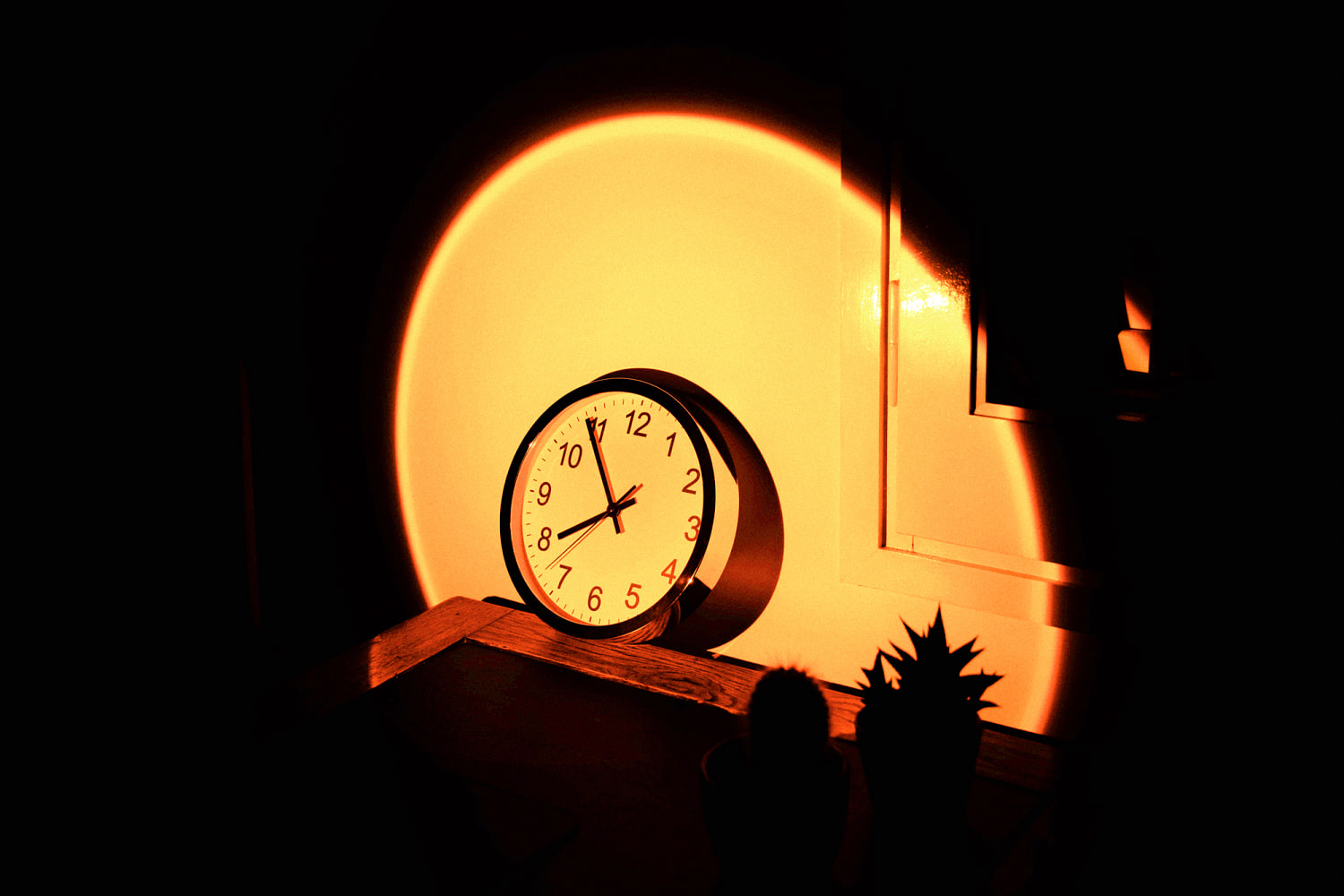
House passes bill that would make daylight saving time permanent
Key Points
Efforts in Congress to make daylight saving time permanent sprang forward after the House passed legislation that would remove the need for Americans to adjust their clocks twice a year. The legislation, known as the Sunshine Protection Act, passed 308-117. It would put the country on the time currently observed from March to November unless a state exempted itself before the act took effect.
Efforts in Congress to make daylight saving time permanent sprang forward after the House passed legislation that would remove the need for Americans to adjust their clocks twice a year.
The legislation, known as the Sunshine Protection Act, passed 308-117. It would put the country on the time currently observed from March to November unless a state exempted itself before the act took effect.
Rep. Scott DesJarlais, R-Tenn., who presided over the vote on the House floor, started playing The Beatles’ “Here Comes the Sun” on his phone as he read the final tally.
President Donald Trump publicly pushed Congress to pass the legislation. He wrote May 21 on Truth Social that he was “going to work very hard to see The Sunshine Protection Act signed into Law.”
“It’s time that people can stop worrying about the ‘Clock,’ not to mention all of the work and money that is spent on this ridiculous, twice yearly production. It will also be a very nice WIN for the Republican Party. Take it!” Trump wrote.
The bill now heads to the Senate for consideration.
A Senate version of the Sunshine Protection Act stalled last year after Sen. Tom Cotton, R-Ark., objected to fast-tracking the bill’s passage via unanimous consent in October.
Cotton said the change to permanent daylight saving time could lead to overlooked negative consequences, pointing to parts of the country where the sun wouldn’t rise until 9 a.m. or later and citing potentially dangerous, dark morning commutes and workers who would need to work early mornings without sun.
Changing the clock twice a year is unpopular among Americans, according to a 2025 AP-NORC poll, but opinions about how to change the system are divided. Congress has tried to tackle the issue before, and in 2022 the Senate voted to make daylight saving time permanent by unanimous consent — a measure that failed to advance in the House.
In the 1970s, President Richard Nixon signed into law a bill that would have made daylight saving time the norm for two years to conserve energy during the oil crisis, but the legislation was repealed after less than a year of having taken effect, as Americans disapproved of the dark early mornings.
Almost all states have considered legislation to stop the biannual time changes, and 19 states have enacted bills that would allow year-round daylight saving time if Congress were to do the same, according to the National Conference of State Legislatures.
Daylight saving time was temporarily used as a wartime measure during World War I and World War II, but it wasn’t made official nationwide until the Uniform Time Act of 1966. The change made it so that clocks are advanced one hour in March and delayed one hour in November.
Arizona, Hawaii and various U.S. territories, including Puerto Rico and the Virgin Islands, don’t observe daylight saving time.
[Image text:] 12
10
9
8
7
9
5