
Health
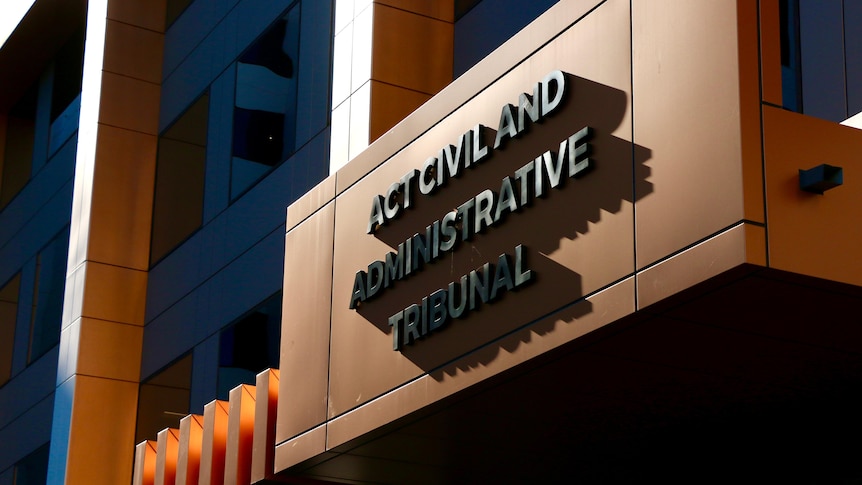
Man denied assisted dying wins partial victory in early test of ACT law
Key Points
A man denied access to the ACT's voluntary assisted dying scheme has contested the decision in the territory's civil and administrative tribunal. The tribunal found it had no jurisdiction to review decisions about his health condition, but did find the man had the decision-making capacity to apply. The tribunal said the man could apply for the scheme again and be assessed by a different practitioner, or take his human rights claims to the ACT Supreme Court.
A man denied access to the ACT's voluntary assisted dying scheme has contested the decision in the territory's civil and administrative tribunal.
The tribunal found it had no jurisdiction to review decisions about his health condition, but did find the man had the decision-making capacity to apply.
What's next?
The tribunal said the man could apply for the scheme again and be assessed by a different practitioner, or take his human rights claims to the ACT Supreme Court.
A man seeking voluntary assisted dying under the ACT's new laws remains ineligible for the scheme, despite a tribunal finding he had the mental capacity to make the decision.
The case is one of the first to test how unsuccessful applicants can challenge a rejection under the new scheme.
The man, who cannot be named for legal reasons, applied in January last year to end his life under the ACT's Voluntary Assisted Dying Act 2024, which came into force in November 2025.
He told the ACT Civil and Administrative Tribunal he suffered from three conditions that together amounted to chronic pain syndrome (CPS), a worsening condition that would eventually kill him, court documents show.
"He claims his conditions are advanced, progressive, and terminal in effect," the tribunal documents state.
The coordinating practitioner — referred to in the tribunal's decision as "the respondent" — assessed him as ineligible for the scheme.
Under the scheme, a coordinating practitioner is the medical or nurse practitioner authorised to coordinate all steps in the process, including making the first assessment.
The practitioner found the man's condition was not "advanced, progressive and expected to cause death" as the law requires and rejected his application.
The practitioner also said it was unclear whether the man understood enough about his condition and treatment options to be considered able to make the decision, court documents said.
"The respondent decided that the applicant did not have an advanced condition, was not approaching the end of his life, and his condition was not expected to cause death," the tribunal said.
"The respondent also decided it was uncertain whether the applicant had decision-making capacity in relation to voluntary assisted dying."
The man then tried to appeal against the outcome in the ACT Civil and Administrative Tribunal.
Man 'has decision-making capacity': tribunal
In its decision published this week, the tribunal said it had no power to rule on whether his health condition met the legal criteria.
But the tribunal did rule on the second issue, finding that the man did have the capacity to make decisions about voluntary assisted dying.
After holding two hearings and considering a letter from the man's long-time doctor, the tribunal made its decision.
"The tribunal orders that the applicant has decision-making capacity in relation to voluntary assisted dying," the tribunal ruled.
The tribunal stressed it was not criticising the coordinating practitioner, adding that its decision was based on only one part of their assessment — the man's decision-making capacity — not on his health condition.
"In reaching this conclusion, we do not intend any criticism of the approach taken and conclusion of the respondent at the time of their assessment," court documents said.
The man also argued the tribunal must consider his human rights, including his right to life and to be free from degrading treatment, when deciding it was unable to review the finding on his health condition.
The tribunal rejected that argument, saying it could not rewrite clear legislation even if it had concerns.
The tribunal said the man could apply again and be assessed by a different practitioner, or take his human rights claims to the ACT Supreme Court.
[Image text:] MILAND
DMINISTRATIVE
TRIBUNAL