
World News
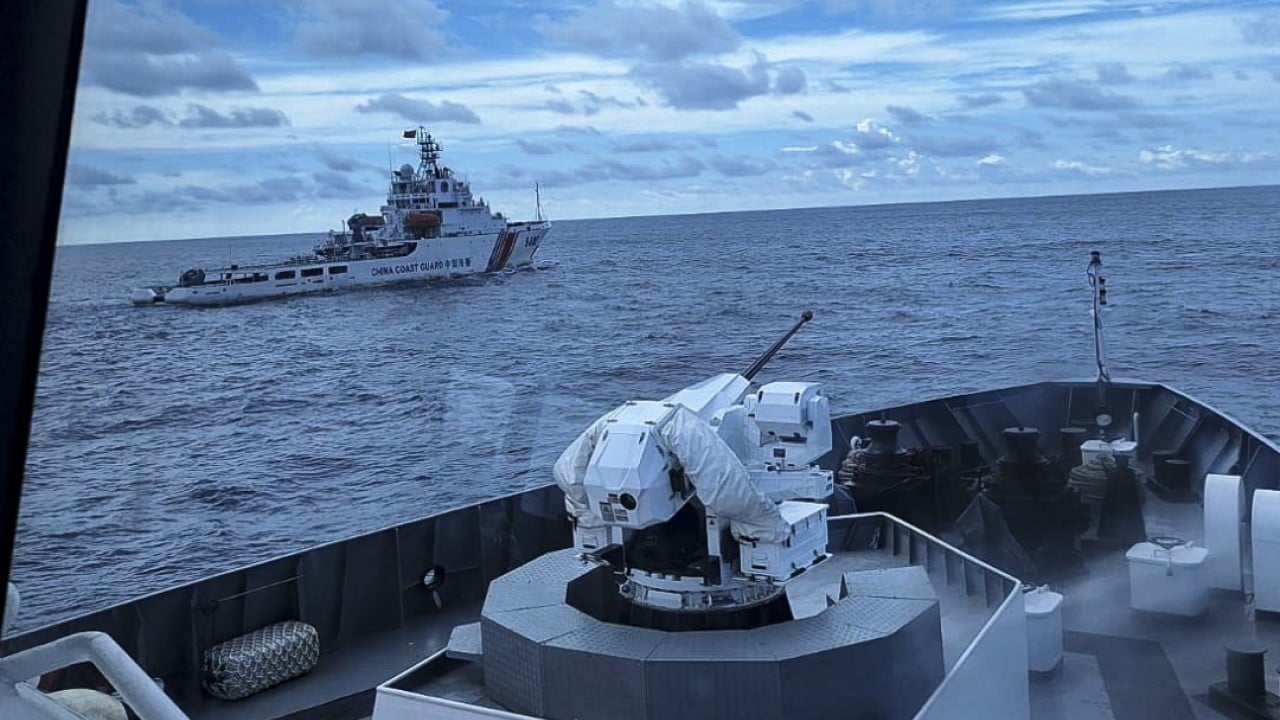
Indonesia restarts South China Sea gas project Beijing opposed
Key Points
Indonesia restarts South China Sea gas project Beijing opposed A low profile restart of the US$3 billion Tuna field with a Russian partner looks set to test Jakarta’s sovereign resolve Prime Group, the Indonesian company that took over operatorship from Britain’s Harbour Energy, told This Week in Asia that “activities associated with the Tuna PSC have resumed in accordance with applicable regulatory requirements”. The PSC – production-sharing contract – is the agreement governing development...
Indonesia restarts South China Sea gas project Beijing opposed
A low profile restart of the US$3 billion Tuna field with a Russian partner looks set to test Jakarta’s sovereign resolve
Prime Group, the Indonesian company that took over operatorship from Britain’s Harbour Energy, told This Week in Asia that “activities associated with the Tuna PSC have resumed in accordance with applicable regulatory requirements”. The PSC – production-sharing contract – is the agreement governing development of the gas field, named Tuna after the licensed offshore area in which the project sits.
The Tuna field lies within Indonesia’s exclusive economic zone in waters where Beijing has previously objected to Jakarta’s drilling activity. Its revival also depends on a Russian state-owned partner, at a time when sanctions and compliance concerns have complicated energy investment.
Jakarta is expected to try keeping the project low profile, but Russia’s involvement, commercial doubts and uncertainty over Prabowo’s China policy could prove as consequential as any response from Beijing.
Job notices posted by Prime Group via its subsidiaries on oil and gas recruitment sites offer a clue to the project’s next steps. They show the company has been recruiting for several Tuna-related roles linked to early engineering work for offshore production facilities, with that work planned for September. The notices do not indicate whether any work has resumed at sea.
Indonesia’s energy ministry said in June that Russian state-owned oil company Zarubezhneft, which holds the remaining 50 per cent through ZN Asia, was ready to continue the delayed project with government support.