
Education
Jason Arday: The ‘superstar’ Cambridge professor dramatically undone by plagiarism row
Key Points
Jason Arday: The ‘superstar’ Cambridge professor dramatically undone by plagiarism row The academic, who rapidly rose through the academic ranks after a difficult start to life, resigned from his post at the University of Cambridge on Wednesday - Bookmark - CommentsGo to comments “The cruelty that I’ve experienced and the positioning of me as this kind of liar and fantasist is totally unacceptable,” Jason Arday, the youngest ever black professor at the University of Cambridge, told The Times...
Jason Arday: The ‘superstar’ Cambridge professor dramatically undone by plagiarism row
The academic, who rapidly rose through the academic ranks after a difficult start to life, resigned from his post at the University of Cambridge on Wednesday
- Bookmark
- CommentsGo to comments
“The cruelty that I’ve experienced and the positioning of me as this kind of liar and fantasist is totally unacceptable,” Jason Arday, the youngest ever black professor at the University of Cambridge, told The Times on Friday.
By the following Wednesday, the “superstar academic” had resigned after being accused in media reports of plagiarising from works produced by other authors in his PhD thesis.
Addressing the accusations in the interview with The Times, he accepted mistakes, claiming to have relied heavily on mimicry to make sense of information. But he insisted he was not a “liar” and called out a “personal attack” on him.
Having initially been backed by his bosses at Cambridge, who had claimed allegations against him were part of “a vile campaign to undermine [Arday’s] credibility”, on Wednesday, as the pressure grew, they announced a formal investigation over his academic qualifications and honorary appointments “following new information”.
Hours later, Prof Arday announced his resignation from the University of Cambridge, stating the “relentless accusations” against him had taken a profound toll on him while insisting his decision should not be mistaken for an acceptance of the claims.
Further questions had also been asked in the press about the truth of other claims made by Prof Arday, including saying that he ran 600 miles in six days and that he had raised £5.5 million for charity.
“This is not the end of my work, it is simply the end of this chapter,” he wrote in his resignation letter on Wednesday, perhaps partly in reference to his memoir, Great and Unfortnate Things, which is expected to be published later this month. He added: “I need time to heal. I need time to simply be myself again.”
From council estate to Cambridge
It’s a dramatic fall from grace for the professor, who was raised in a deprived part of south London, diagnosed with autism and unable to speak until he was 11 years old – but then climbed rapidly up the academic ladder.
Among a tiny group of black university professors in the UK – just 1 per cent of all professors – Prof Arday’s rise through the academic ranks to his appointment at Cambridge in 2023 offered hope to those from minority ethnic communities.
The third son of Ghanian parents, he lived on a council estate in Clapham where, he told The Guardian in a story published three years ago, that his childhood was happy but affected by some violence, with many people he grew up with either dead or in prison.
He said his mother, who was an anti-racist activist, spent hours along with speech therapy in helping him learn how to finally speak, aged 11, after he was diagnosed with global developmental delay when he was three.
He has also revealed it had been his dream to one day work at Oxford or Cambridge university, having written the goal on his parents’ wall 10 years before.
After leaving school with two GCSES, he was told that “unpaid volunteer work” was the best he could hope for at a careers office, but managed to get a place on a sport and development course at Merton College, according to a profile page at Anglia Ruskin University, where he was later presented with the award of Doctor of Education.
According to The Times he said he later became a PE teacher where he learned how to become an academic.
And despite only learning to read and write at the age of 18, according to profile by Liverpool John Moore’s University (LJM), he went on to earn a doctorate at the university.
He then taught at the University of Roehampton, Durham University and the University of Glasgow, where he became professor of sociology of education, before going to Cambridge.
At the time of taking the post as professor of sociology of education, he told the university he hoped to use his platform to inspire more people from under-represented backgrounds into higher education.
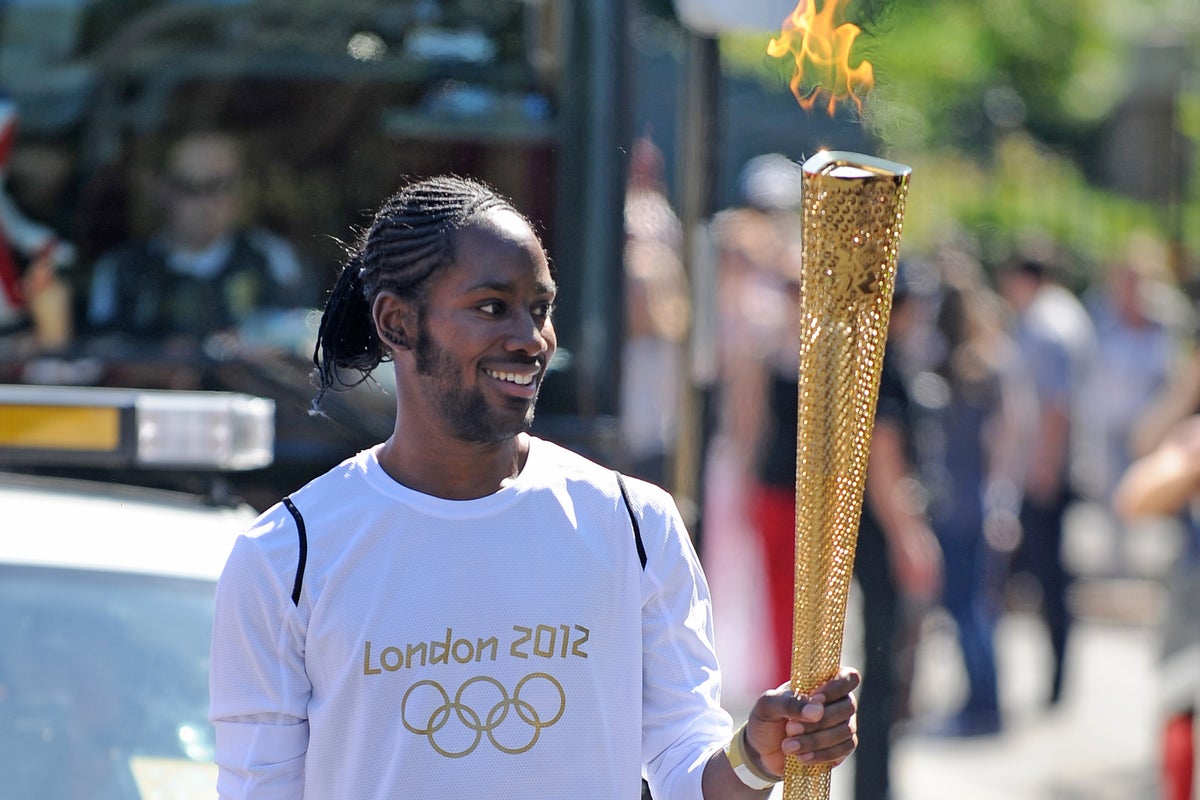
His success also brought him fame. In 2012, he was a torchbearer for the Olympic Games at London 2012. He also met Andy Murray on a television programme, when according to the tennis player he inspired him ahead of a match, according to The Guardian.
The plagiarism claims against him
The spotlight appeared to also bring scrutiny.
First there was “indications of serious plagiarism” in his PhD thesis alleged by Dave Harris, emeritus professor at Plymouth Marjon University, run by The Telegraph.
Then there were claims by academic Nathan Cofnas, who was sacked from his Cambridge role in 2024, according to the BBC, that parts of Prof Arday’s PhD were copied or lightly rephrased from works produced by other authors.
An investigation by Liverpool John Moores University did not uphold the claims of plagiarism.
Asked on the issue by The Guardian, Prof Arday, who denied all allegations of plagarism, said: “There have been multiple thorough investigations across several institutions as a result of the allegations, and immense scrutiny, including with an academic misconduct panel who concluded that there was no plagiarism or academic misconduct.”
There were other questions raised by Mr Cofnas, including Prof Arday’s claim to have done 30 marathons in 35 days and raised £5m for charity, which are listed on his profile page for Anglia Ruskin University.
Speaking to The Times at the weekend, Prof Arday stood by his marathon-running record. He also said he did not raise all the money himself, adding it was part of a syndicate of around 100 people.
Speaking to The Times before his resignation, he said his reputation had been maligned. In his resignation statement, he wrote: “There comes a point when the personal cost becomes too great.
“I have a family. I want to be present for them. I want to reclaim some peace, some privacy and some semblance of an ordinary life. I no longer wish to feel as though I am living under a constant spotlight, where every aspect of my life is subject to public examination and judgement.”
Join our commenting forum
Join thought-provoking conversations, follow other Independent readers and see their replies
Comments