
World News
Royal Navy drone cameras linked to China raise security concerns
Key Points
Royal Navy drone cameras linked to China raise security concerns The breach is expected to spark wider concern about the security of military drone components - Bookmark - CommentsGo to comments It has been revealed that cameras on Royal Navy drones were connected to a system in China, prompting security concerns despite the Ministry of Defence insisting no sensitive data was compromised. The Daily Telegraph reported that cameras on the Navy’s K3 Scout surveillance drone were found to be...
Royal Navy drone cameras linked to China raise security concerns
The breach is expected to spark wider concern about the security of military drone components
- Bookmark
- CommentsGo to comments
It has been revealed that cameras on Royal Navy drones were connected to a system in China, prompting security concerns despite the Ministry of Defence insisting no sensitive data was compromised.
The Daily Telegraph reported that cameras on the Navy’s K3 Scout surveillance drone were found to be sending so-called "heartbeat communications" to a device in the country.
The information exchanged reportedly only included confirmation that the camera was online and functioning normally. However, the breach is expected to spark wider concern about the security of military drone components.
A Ministry of Defence spokesperson stated the transmissions had been identified during a "routine cyber vulnerability assessment" of the K3 drones.
They added: “A thorough investigation found no evidence of MoD data or systems being accessed, compromised or transmitted externally.
“Our assurance and testing processes are designed to identify and address potential vulnerabilities early, and we continue to undertake routine security activity across our systems and equipment.”
The K3 Scout is produced by Kraken Technology Group, a British company based in Fareham, Hampshire, but the cameras are understood to have been provided by a third party that gave assurances about their security.
The Royal Navy has bought 20 of the K3s as part of its drone project, Operation Beehive.
The uncrewed vessels are expected to perform a range of tasks including surveillance, force protection and precision strike roles as the Navy moves to a “hybrid” model that incorporates more drones.
In May, the MoD announced that the drones would form part of a potential deployment to protect shipping in the Strait of Hormuz in the event of a lasting ceasefire in the region. The UK announced it would deploy autonomous mine-hunting equipment, “cutting-edge” anti-drone systems and Typhoon jets as part of its mission in the Strait of Hormuz, John Healey said.
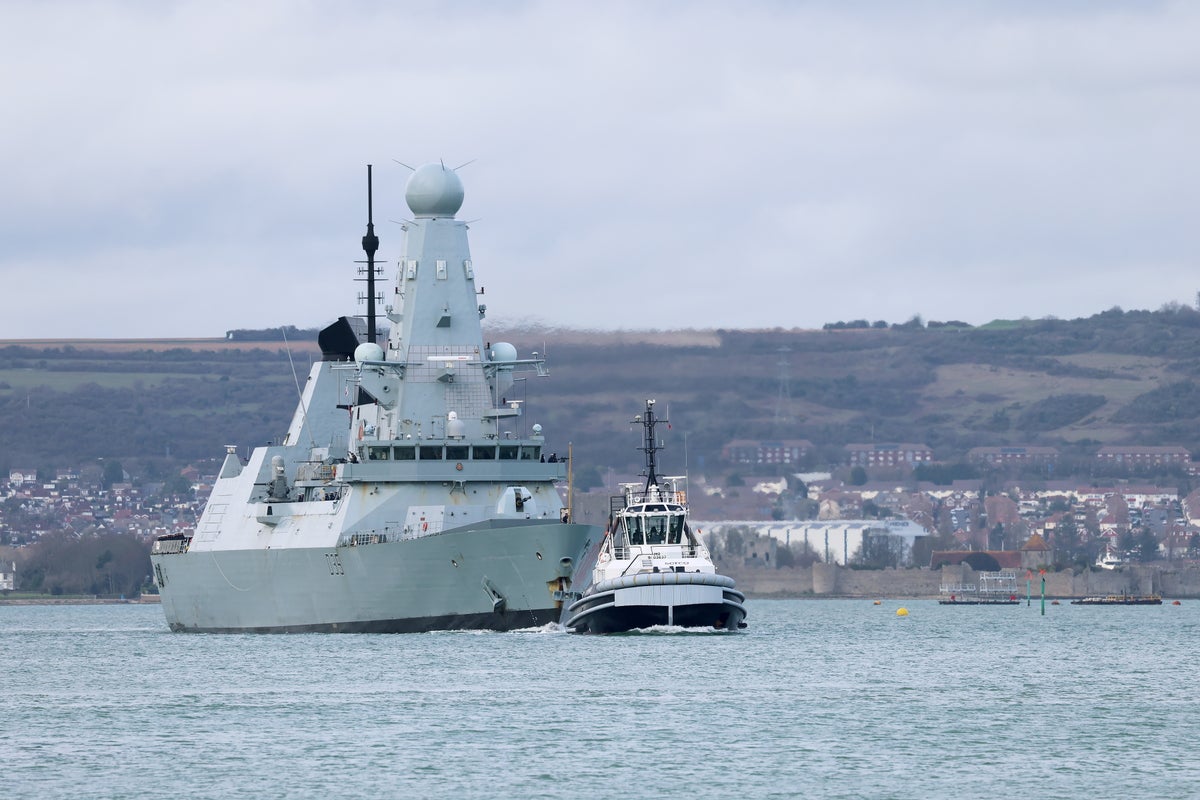
The package included autonomous mine-hunting technology capable of deploying high-speed Kraken drone boats, as well as Typhoon jets for air patrols. The UK had already announced the deployment of HMS Dragon to the region, allowing the destroyer to support the multinational mission if conditions allowed.
Mr Healey said: “With our allies, this multinational mission will be defensive, independent, and credible.”
Join our commenting forum
Join thought-provoking conversations, follow other Independent readers and see their replies
Comments