
Environment
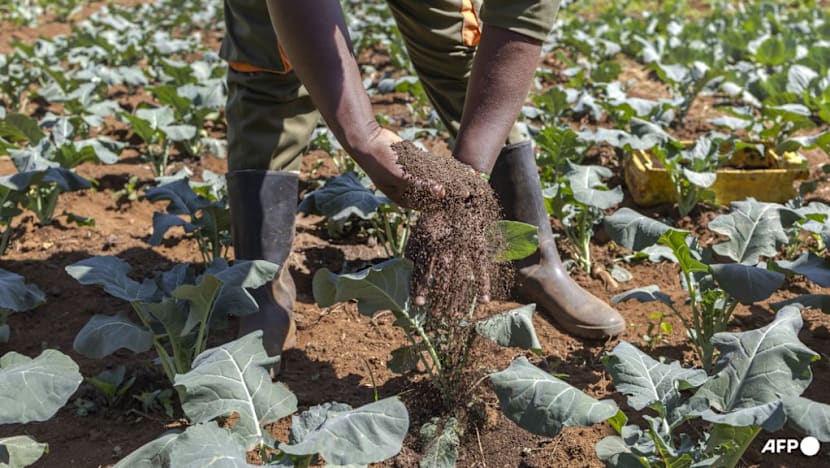
World's soils deteriorating while solutions go unused: UN
Key Points
World's soils deteriorating while solutions go unused: UN PARIS: More than half of the world's soils are in poor condition, threatening global food supplies and biodiversity, while proven measures to improve soil health are not being implemented, said a UN report released on Thursday. "Globally, we must shift from a mindset of soil exploitation to one of soil stewardship," the UN's Food and Agriculture Organization (FAO) warned. Soils "support 95 per cent of our food production, host 59 per...
World's soils deteriorating while solutions go unused: UN
PARIS: More than half of the world's soils are in poor condition, threatening global food supplies and biodiversity, while proven measures to improve soil health are not being implemented, said a UN report released on Thursday.
"Globally, we must shift from a mindset of soil exploitation to one of soil stewardship," the UN's Food and Agriculture Organization (FAO) warned.
Soils "support 95 per cent of our food production, host 59 per cent of global biodiversity, and serve as the planet's second-largest carbon sink after the oceans," said the report's authors.
Yet "soil degradation continues to accelerate at an alarming rate".
The report found that in 52.5 per cent of regions and subregions soil management was poor or very poor. In a third, it was fair, while in only 14 per cent was it good or very good.
It is the second major report by the FAO, after a pioneering effort in 2015, assessing soil health across the planet. That first study found most of the world's soils were in fair, poor or very poor condition.
Since then, the FAO said, the world's population has grown by 800 million people, while 80 million hectares (around 200 million acres) of additional land, nearly the combined area of France and Germany, had been turned over to major crops.
EROSION THREAT
By far the greatest threat to soil is from erosion, the experts said, with soil washed or blown away because of unsustainable practices.
Other threats include loss of the organic matter in soil (known as soil organic carbon), nutrient mismanagement, depleted soil biodiversity, salt build-up, pollution and urban expansion.
Climate change threatens to make most of the problems worse, while soil degradation itself can contribute to climate change. But improving soil health could also improve resilience and help fight global warming.
The authors said that most techniques for protecting and restoring soils were already well known before 2015, but they were still not being widely implemented.
Soil management improved in just 10 per cent of assessed areas and deteriorated in 58 per cent of them, they said.
One major technique for reducing soil degradation is reducing or abandoning tillage, such as ploughing. While as old as agriculture itself, tillage destroys organic life in the soil and, by breaking it up, leaves it prone to erosion.
Other methods for protecting and improving soil include planting cover crops, such as legumes and brassicas.
They are grown on fallow fields to lock soils in place and improve their nutrient content, and agroforestry, in which trees are integrated into farming practices.
Better use of natural and artificial fertilisers, which can themselves be a source of pollution, is also a key strategy.
The FAO said it was not a lack of knowledge, but limited access to resources and high upfront costs that were preventing farmers from implementing better soil management and called for greater financial incentives, more localised data and the use of indigenous knowledge, among other suggestions.
The report was published with diplomats and experts from around the world gathered for the COP17 summit on desertification in the Mongolian capital of Ulaanbaatar, where they hoped to agree a global deal to combat drought.
COP16, held in Riyadh two years ago, failed to reach an agreement.