
Health
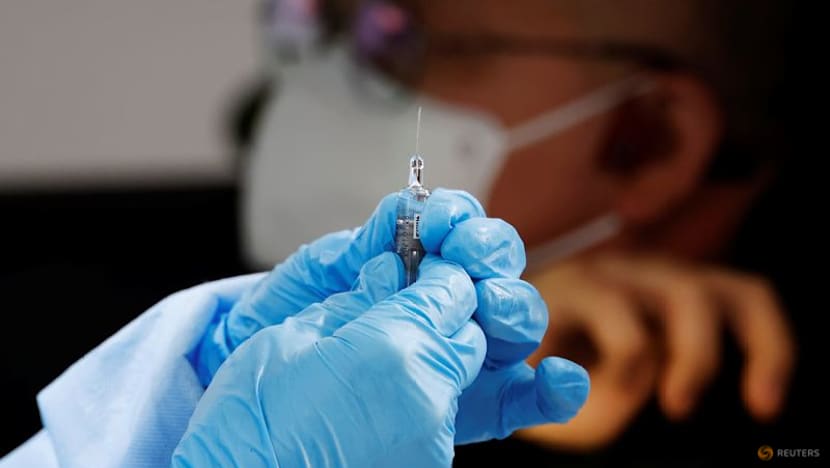
Northern Hemisphere flu vaccines in Singapore delayed by about 2 weeks to early October
Key Points
Northern Hemisphere flu vaccines in Singapore delayed by about 2 weeks to early October Of 11 clinics contacted by CNA, three said they had run out of the Southern Hemisphere vaccine, while another said it had little stock left amid a rise in demand for flu jabs. Flu vaccines for the upcoming Northern Hemisphere flu season will be available in Singapore about two weeks later than usual, with supplies expected to reach public and private healthcare providers in early to mid-October, the...
Northern Hemisphere flu vaccines in Singapore delayed by about 2 weeks to early October
Of 11 clinics contacted by CNA, three said they had run out of the Southern Hemisphere vaccine, while another said it had little stock left amid a rise in demand for flu jabs.
SINGAPORE: Flu vaccines for the upcoming Northern Hemisphere flu season will be available in Singapore about two weeks later than usual, with supplies expected to reach public and private healthcare providers in early to mid-October, the Ministry of Health (MOH) and Communicable Diseases Agency (CDA) said on Friday (Sep 4).
This is due to an industry-wide delay by pharmaceutical companies in developing the latest Northern Hemisphere vaccines, which will contain a two-strain change from the 2026 Southern Hemisphere seasonal influenza vaccines, based on recommendations by the World Health Organization.
Northern Hemisphere flu vaccines are typically available in Singapore by the end of September, ahead of the season which generally runs from October to March.
The delay comes as Singapore sees an increase in influenza cases, although there is no indication that the infections are more severe than usual, CDA said previously.
Flu vaccines are tailored according to the annual flu seasons in the Northern and Southern Hemispheres. Vaccine formulations for these two regions differ due to the unique influenza strains circulating in each hemisphere during their flu seasons.
Since flu viruses evolve, each vaccine strain is also updated annually to ensure they remain effective.
WHAT SHOULD PEOPLE DO IN THE MEANTIME?
Singapore's Expert Committee on Immunisation has recommended that people at higher risk of developing severe influenza receive the 2026-2027 Northern Hemisphere vaccine when it becomes available.
“The 2026-2027 Northern Hemisphere seasonal influenza vaccine is expected to confer better protection against circulating influenza strains in the upcoming Northern Hemisphere season and is therefore the preferred vaccine for persons in the recommended groups,” said MOH and CDA.
These groups include seniors aged 65 and above, children aged six months to under five years, and people with underlying medical conditions.
However, those in the recommended groups who have not received the 2026 Southern Hemisphere vaccine and want some protection in the interim are encouraged to get it.
They should still receive the 2026-2027 Northern Hemisphere vaccine when it becomes available, with a minimum interval of eight weeks between doses.
There is sufficient supply of the 2026 Southern Hemisphere vaccine, and people can approach their healthcare providers to receive it, the health authorities said.
Those who have already received the Southern Hemisphere vaccine are advised to wait for the Northern Hemisphere vaccine to become available and receive it as their next dose.
Polyclinics and Community Health Assist Scheme (CHAS) general practitioner clinics will contact patients who have already booked influenza vaccination appointments to reschedule them.
SOME CLINICS SEE VACCINE SHORTAGES
The delay in the Northern Hemisphere vaccine comes amid increased demand for flu jabs.
Of 11 clinics contacted by CNA on Thursday, three said they had run out of the Southern Hemisphere vaccine, while another said it had little stock left.
A staff member at Leong Clinic in Redhill said the clinic had not had flu vaccines available for one to two months and was unsure when new supplies would arrive.
However, the clinic had not seen many patients seeking flu vaccinations, so there had been no “panic”, she said.
At Silver Cross Medical (Holland), up to 10 people a day have been visiting for flu vaccinations, an employee said. The clinic, which is under Healthway Medical, ran out of flu vaccines last month and has been referring patients to other clinics.
Healthway Medical, which runs over 60 GP clinics in Singapore, told CNA on Thursday that it was facing a delay in the delivery of the Northern Hemisphere vaccine.
The delay is “in line with global supply timelines”, and the GP network expects the new strain to be available at its clinics by mid-October, said Dr John Cheng, chief medical officer at Healthway Medical Group.
Healthway Medical, Raffles Medical and Parkway Shenton told CNA they have seen increased demand for influenza vaccinations.
“Across our Healthway Medical GP Clinics, we have observed a steady increase in the demand for flu vaccinations in the three-week period following the National Day long weekend,” said Dr Cheng, adding that the uptake was higher than usual.
“We attribute (this) to seasonal factors including travel and school holidays,” he said.
Dr Lim Wee Peng, medical director at Parkway Shenton, said it had seen a 15 per cent increase in demand since before the June school holidays as more families were travelling at that time.
For Raffles Medical, demand has also steadily increased over the last few months, said Dr Chng Shih Kiat, executive medical director of Raffles Physicians.
Parkway Shenton and Raffles Medical said they expect their current vaccine supplies to remain sufficient if demand increases.
“We will work with our pharmaceutical vendors to ensure the continued availability of vaccine,” said Dr Chng.
Dr Cheng said Healthway Medical’s clinics had enough flu vaccines to meet current patient demand.
“We are closely monitoring stock levels across our network and working with our suppliers to ensure timely replenishment to support continued demand,” he said.
SHOULD TRAVELLERS WAIT FOR THE NEW VACCINE?
Whether travellers should wait for the Northern Hemisphere vaccine depends on when they are travelling, their destination and their health status, Dr Chng said.
The Northern Hemisphere vaccine is recommended for people at higher risk of developing complications from influenza who are travelling to places such as the US, Europe or Japan between December and February, he said.
These include those aged 65 and above and individuals with chronic heart and lung diseases.
“However, if an individual is travelling sooner or is in the aforementioned high-risk group, it might be ideal to consult with your family physician to check if the current available formulations offer adequate immediate protection,” he said.
Individuals, especially seniors and young children, who have not received a seasonal influenza vaccination can consider taking the Southern Hemisphere flu vaccine to protect themselves for now, Dr Cheng said.
Those who receive the Southern Hemisphere vaccine this year should still get the Northern Hemisphere vaccine when it becomes available because of changes in the strain composition between the two vaccines, he added.
“A minimum interval of eight weeks between the two doses should be observed,” he said.
“For travellers, it is recommended that they receive any influenza vaccine at least two weeks before their planned trips.”
Northern Hemisphere (LOCATION)
Singapore (LOCATION)
CNA (LOCATION)
the Southern Hemisphere (LOCATION)
the Ministry of Health (ORG)
MOH (ORG)
Communicable Diseases Agency (ORG)
CDA (ORG)
the World Health Organization (ORG)
Northern and Southern Hemispheres (LOCATION)
Expert Committee (ORG)
Immunisation (ORG)
Southern Hemisphere (LOCATION)
the Northern Hemisphere (LOCATION)
Community Health Assist Scheme (ORG)