
Health
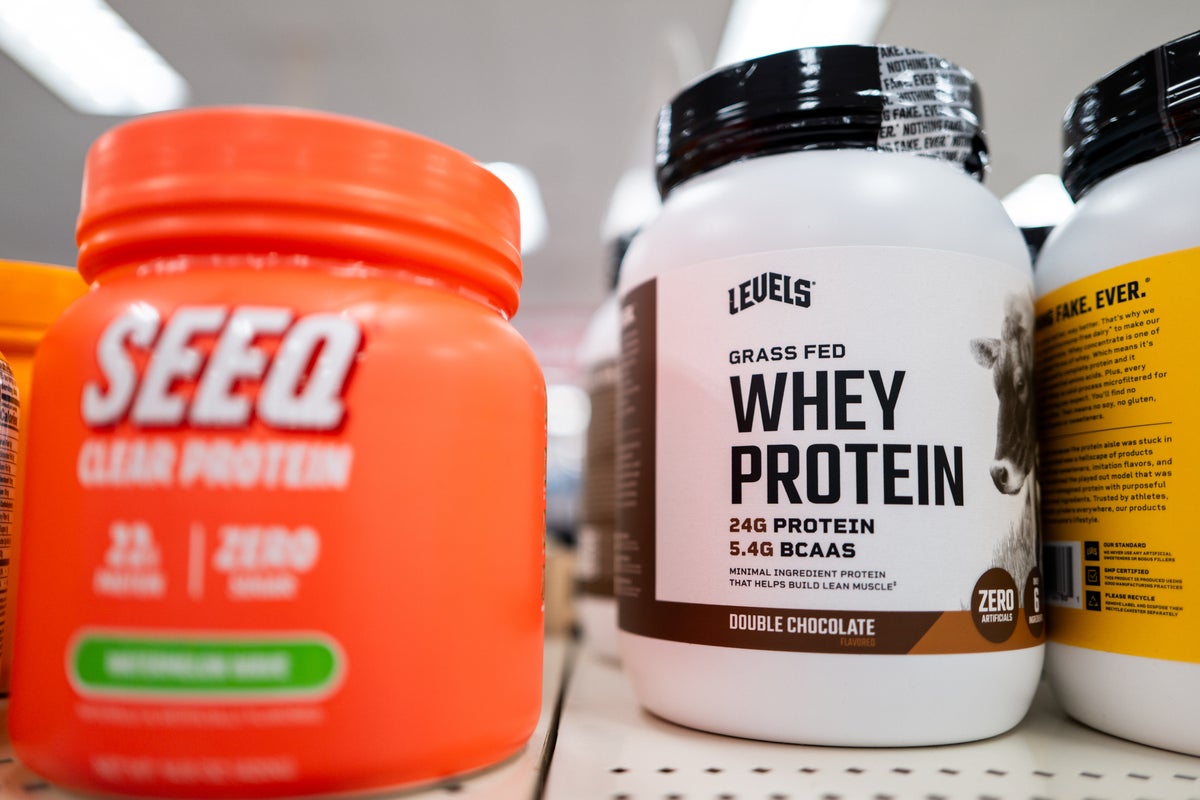
Americans’ demand for ‘protein-maxxing’ isn’t slowing down as GLP-1s sweep country
Key Points
Americans’ demand for ‘protein-maxxing’ isn’t slowing down as GLP-1s sweep country Increased use of GLP-1s fueled current protein craze, report finds - Bookmark - CommentsGo to comments Americans’ need for protein — amid “protein-maxxing” trends — appears to be here to stay. Protein seems to be the biggest nutritional priority for many Americans, as nearly half of all adults say they wish to add more to their diets, according to Circana’s Eating Patterns in America report. Forty-eight...
Americans’ demand for ‘protein-maxxing’ isn’t slowing down as GLP-1s sweep country
Increased use of GLP-1s fueled current protein craze, report finds
- Bookmark
- CommentsGo to comments
Americans’ need for protein — amid “protein-maxxing” trends — appears to be here to stay.
Protein seems to be the biggest nutritional priority for many Americans, as nearly half of all adults say they wish to add more to their diets, according to Circana’s Eating Patterns in America report.
Forty-eight percent of adults are now seeking more protein in their diets, up seven points from last year, the report found. The change places protein only second to vegetables on the list of foods Americans say they need more of, according to the report.
The increased use of GLP-1s across America appears to be partially to blame for the protein craze, which has become a trend known online as “protein-maxxing.” The drugs slow GLP-1 users’ appetites, but focusing on protein helps patients maintain muscle mass as they lose weight.
Those GLP-1 users are helping drive up the demand for protein, with 65 percent of consumers now seeking more protein, according to the report.
GLP-1s are currently used by 8.5 percent of adults — a dramatic increase from the 4.8 percent who were using them last year.
Additionally, 46 percent of all American adults reported being on a diet, according to Circana’s report.
But the greater focus on protein has left many Americans neglecting other important aspects of their diet — namely, fiber.
“The obsession with protein is actually driven by the perception that more protein equals better health,” Daphene Altema-Johnson, a registered dietitian at the Johns Hopkins Center for a Livable Future, said in a statement earlier this year.
Circana also notes that this trend leads to a nutrition gap.
“Adults consume nearly double the recommended amount of protein each day, but less than half the recommended amount of fiber,” according to the report.
The growing demand for more protein-dense meals hasn’t gone unnoticed by the food industry, which has capitalized on “GLP-1 friendly” and “high protein” food labels.
Twelve percent of commercial foodservice meals are now described as “high protein,” with those instances growing 11 percent year over year, according to the report.
Join our commenting forum
Join thought-provoking conversations, follow other Independent readers and see their replies
Comments
[Image text:] SEEQ
CEAR PROTEIN
310
LEUELS
GRASSFED
WHEY
PROTEIN
24G PROTEIN
5.4G BCAAS
MINIMAL INGREDIENT PROTEIN
THAT HELPS BUILD LEAN MUSCLE
ZERO
DOUBLE CHOCOLATE
LRTIFICAL
FAKE.EVER.
edfo
tuck in
ourposeful
products