
Business & Finance
US returns 36 ancient Syrian artifacts worth over $5 million
Key Points
Ancient pieces of Syrian history that had traveled far from their original landscapes are now making the journey back home. US authorities have returned 36 antiquities to Syria, a collection worth more than $5 million that includes a monumental relief from Palmyra, Roman-era mosaics and objects recovered from major private and institutional collections, states a report by Arab News. The repatriation, announced September 23, marks another major effort to trace and recover cultural objects...
Ancient pieces of Syrian history that had traveled far from their original landscapes are now making the journey back home. US authorities have returned 36 antiquities to Syria, a collection worth more than $5 million that includes a monumental relief from Palmyra, Roman-era mosaics and objects recovered from major private and institutional collections, states a report by Arab News. The repatriation, announced September 23, marks another major effort to trace and recover cultural objects that entered the international art market through illicit trafficking.
A collection spanning centuries
According to Arab News, among the returned objects is a massive limestone relief from ancient Palmyra. The funerary sculpture dates to the late second century CE and depicts a reclining man surrounded by a woman and three children. Weighing more than 1,000 pounds, the relief originally formed part of a Palmyrene tomb. Investigators determined that it had been carefully removed from a burial chamber before being smuggled through Dubai.
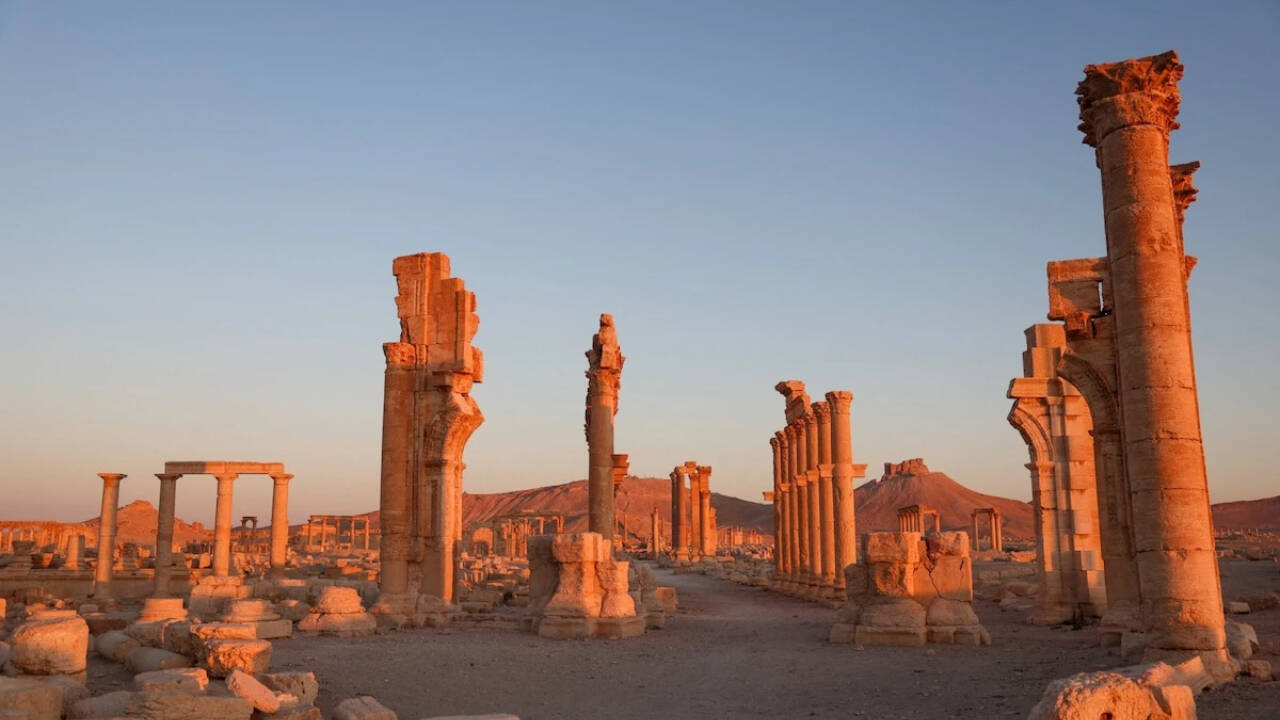
Its history is particularly significant because the relief left Palmyra before the ancient city suffered extensive destruction at the hands of ISIS between 2015 and 2017. The archaeological site, a UNESCO World Heritage site, was heavily damaged during the conflict, making the recovery of objects removed from the city especially important.
The collection also includes 14 mosaics taken from a Roman villa in Syria. Among the other notable pieces is a third-century BCE mosaic section portraying the mythological wedding of Telete and Eros, created from hundreds of tiny pieces of colored stone known as tesserae.
13 pieces came from the Met
The report adds that thirteen of the 36 antiquities were seized from the Metropolitan Museum of Art in New York as part of investigations into the provenance of ancient objects held by the institution.
The Manhattan District Attorney's Office said its Antiquities Trafficking Unit has seized 402 antiquities from the Met since 2017, with a combined value of $98.7 million. The Syrian return therefore forms part of a much broader examination of objects that passed through museums, galleries and private collections.
Four other objects in the latest repatriation came from the collection of American collector Michael Steinhardt. Those pieces were among approximately 180 antiquities valued at $70 million that authorities recovered from his collection in a 2021 agreement. That agreement also resulted in a lifetime prohibition on his acquiring additional antiquities.
Tracing a global antiquities trade
Investigators linked 31 of the returned Middle Eastern and North African antiquities to objects allegedly trafficked into New York by Georges Lotfi, a Lebanese antiquities dealer who is the subject of an arrest warrant issued in 2022 and an Interpol Red Notice from 2023. The allegations against him remain subject to the legal process.
The latest return adds Syria to a growing list of countries receiving cultural artifacts recovered through investigations in New York. The Manhattan District Attorney's Antiquities Trafficking Unit says it has recovered more than 6,400 cultural treasures valued at about $495 million and returned more than 6,200 of them to 40 countries.
For Syria, the return represents the recovery of objects connected to civilizations that flourished thousands of years ago, and, in the case of the Palmyra relief, a tangible piece of a site whose surviving heritage has faced extraordinary losses in recent history, concludes the report.