
Business & Finance
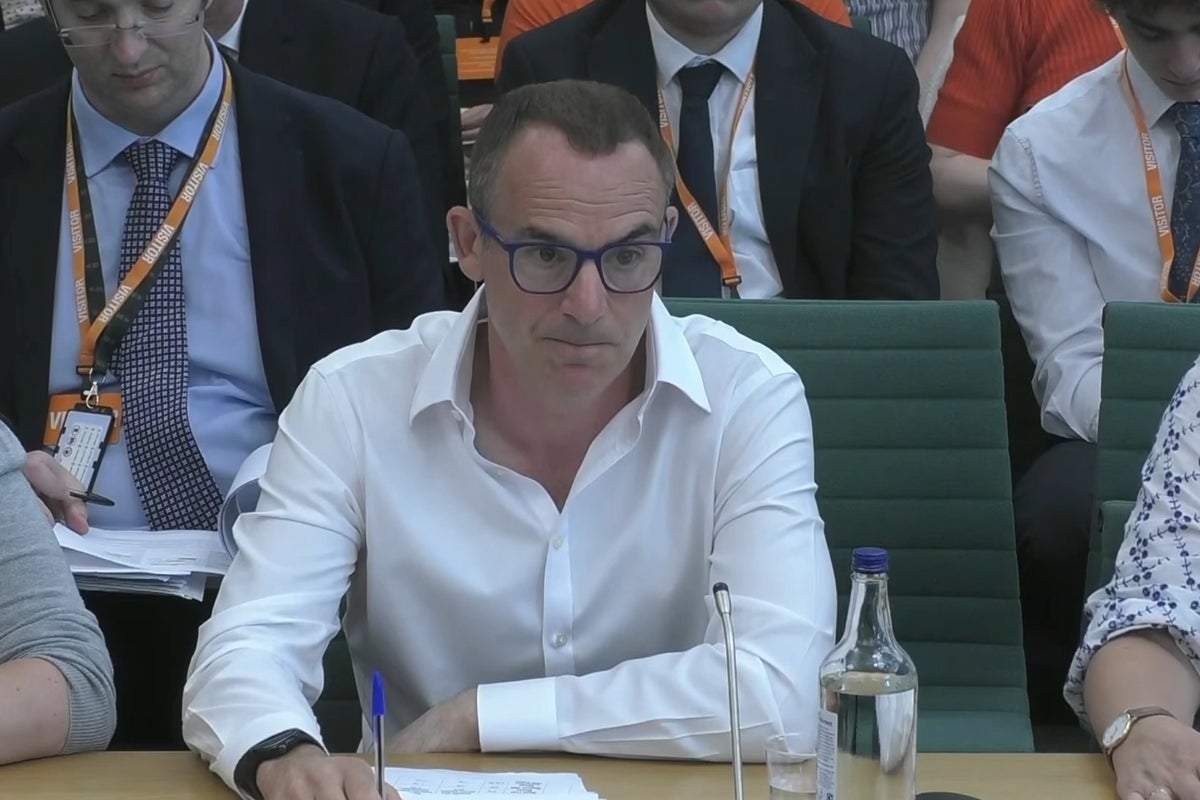
Martin Lewis warns a fixed rate tariff can rise – how to avoid it
Key Points
Martin Lewis warns a fixed rate tariff can rise – how to avoid it The price cap rise will push bills to their highest since July 2023 - Bookmark - CommentsGo to comments Become an Independent member to bookmark this article Already a member? Log in Household energy bills are on the rise, but Money Saving Expert’s Martin Lewis has warned even those on a fixed tariff could see their monthly payment increase. The energy price cap increased by 4 per cent on October 1.
Martin Lewis warns a fixed rate tariff can rise – how to avoid it
The price cap rise will push bills to their highest since July 2023
- Bookmark
- CommentsGo to comments
Become an Independent member to bookmark this article
Already a member? Log in
Household energy bills are on the rise, but Money Saving Expert’s Martin Lewis has warned even those on a fixed tariff could see their monthly payment increase.
The energy price cap increased by 4 per cent on October 1. Regulator Ofgem said bills will rise by £60 per year – or £5 per month – to £1,723 for the average household using both electricity and gas following this increase.
Mr Lewis has previously stressed that this rise is “voluntary” because the price cap will only apply to those on standard tariffs and not those on fixed rates or special deals.
“That literally means the standing charge and the unit rate when you get it will stay for the entire length of the fix,” he said in a video posted on Money Saving Expert.
Although a fixed tariff will shield customers from that increase, that doesn't mean the bill won't go up at all.
Why would a fixed tariff rise?
Mr Lewis said many people contacted him outraged that energy companies are billing them more money than their fixed tariff and gave two reasons why this might happen.
He explained the “most obvious” reason bills rise is because households are using more energy.
“What’s locked in is the rate you pay for each unit of energy you’re using. If you use more units of energy you’re going to pay more,” he said.
However, the second reason is more “complex” and it’s due to direct debit estimates.
“If you are on a monthly direct debit, they estimate that you’re using more even if you’re not,” he said.
Customers in this situation will need to prove to the energy company that they are not using as much energy as they are being billed for to bring the direct debit down.
But he stressed a fixed rate is still the cheaper option.
“It’s still important to understand that a cheap fix means the cost of each unit of energy used is locked in. If you’re on the price cap, the standard default tariff right now, your price has just risen and it is likely to rise by around 20 per cent more based on current predictions in January. So, getting a fix will prevent that,” Mr Lewis said.
What is the price cap?
The Ofgem price cap is the maximum amount your supplier can charge for a unit of energy and standing charge together, the regulator explains.
“It does not limit the cost of your total bill. The more energy you use, the higher your bill will be,” according to Ofgem.
“If you go and do a comparison right now, you will find you can get a fix cheaper than the current price cap, never mind when it likely rises 20 per cent in January, which is the highest use period of the year,” Mr Lewis added.
Join our commenting forum
Join thought-provoking conversations, follow other Independent readers and see their replies
Comments