
Politics
US midterms: Polling open in 6 states; five things to watch as Americans vote
Key Points
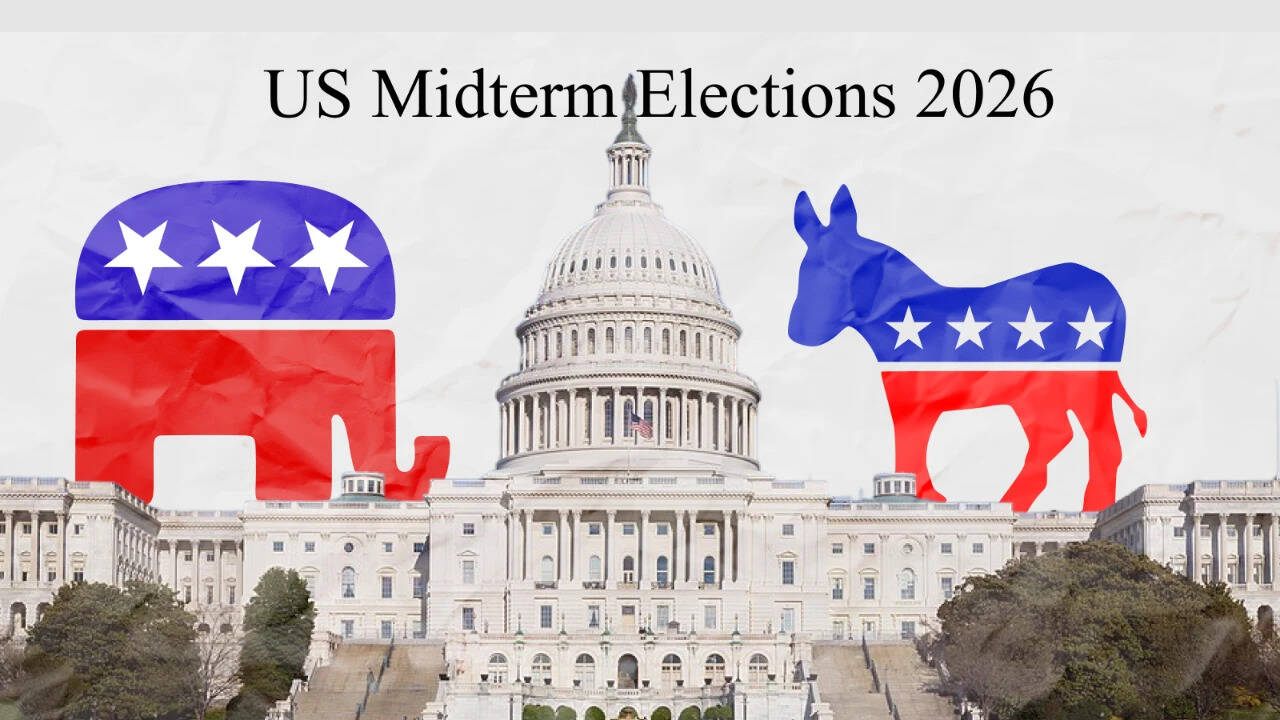
Polling stations have opened in several US states as Americans vote in midterm elections that will determine control of Congress for the final two years of US president Donald Trump’s term. Polls began opening at 6am local time in states including Connecticut, Indiana, Kentucky, Maine, New Hampshire, New Jersey, New York and Virginia. The elections will offer the first nationwide verdict on Trump’s second presidency, testing whether voters want to limit his power by handing Democrats control...
Polling stations have opened in several US states as Americans vote in midterm elections that will determine control of Congress for the final two years of US president
Donald Trump’s term.
Polls began opening at 6am local time in states including Connecticut, Indiana, Kentucky, Maine, New Hampshire, New Jersey, New York and Virginia.
The elections will offer the first nationwide verdict on Trump’s second presidency, testing whether voters want to limit his power by handing Democrats control of one or both chambers of Congress, or keep Republicans in charge amid concerns over the cost of living and the US-led war with Iran.
The results could also shape debates within both parties over the policies and messages that resonate with voters ahead of the 2028 presidential election.
Midterms decide who controls Congress
Democrats need a net gain of four seats in both the House and Senate to overturn Republicans’ narrow majorities of 218-214 and 53-47, respectively. While Democrats are widely expected to reclaim the House, the Senate race remains closely contested, with the scale of any gains likely to determine how much of President Donald Trump’s agenda Republicans can advance during the final two years of his term.
A Democratic victory in either chamber could pave the way for investigations into the Trump administration’s ethics, immigration enforcement and handling of the Iran war.
Conversely, a strong Republican showing could reinforce Trump’s grip on the party, while heavy losses may intensify pressure to reconsider unpopular policies.
Problems at polling stations and during the count
Election officials have warned that close contests could lead to disputes over voter eligibility, ballot counting and certification. Long queues, machine malfunctions and challenges by partisan poll watchers could also fuel litigation and delay results.
The Justice Department plans to deploy about 1,000 election monitors nationwide, roughly three times the number sent during the previous midterms. Some local officials fear their presence could intimidate voters, although the department has dismissed those concerns.
Officials and legal experts are also watching for federal investigations or legal challenges that could disrupt certification.
Several states are also unlikely to have complete results on election night, particularly in close races, potentially creating further disputes.
How Trump responds to the results
Trump’s reaction, particularly if Republicans lose control of Congress, could become a major story after polls close.
In 2020, he declared victory before counting was complete and called for the process to stop. After losing to Joe Biden, he continued to falsely claim the election had been stolen, helping fuel the January 6, 2021, attack on the US Capitol by supporters seeking to block certification of Biden’s victory.
Trump’s administration has also sought voter data from states and launched investigations into suspected noncitizen voting, despite limited evidence of the practice. The Justice Department recently sued California over alleged noncitizen ballots.
Voter turnout
Turnout among each party’s core supporters could prove decisive. Opinion polls showed Democrats were considerably more enthusiastic about voting than Republicans heading into Election Day.
However, young, Black and Hispanic voters have historically participated at lower rates in midterms than in presidential elections. Surveys also indicate persistent scepticism towards both parties among these groups, particularly over the cost of living.
If their turnout falls short of expectations, Democrats could underperform.
What the results mean for 2028
The midterms could influence the debate over who leads both parties into the next presidential election.
Democrats remain divided between those advocating a more populist economic message and those favouring a centrist approach to win back swing voters. Strong performances by candidates from either camp could strengthen their respective arguments and shape the contest for the party’s 2028 nomination.
The results could also offer an early indication of how voters view Trump’s policies and the direction of the Republican Party as it looks towards the next presidential race.