
Technology
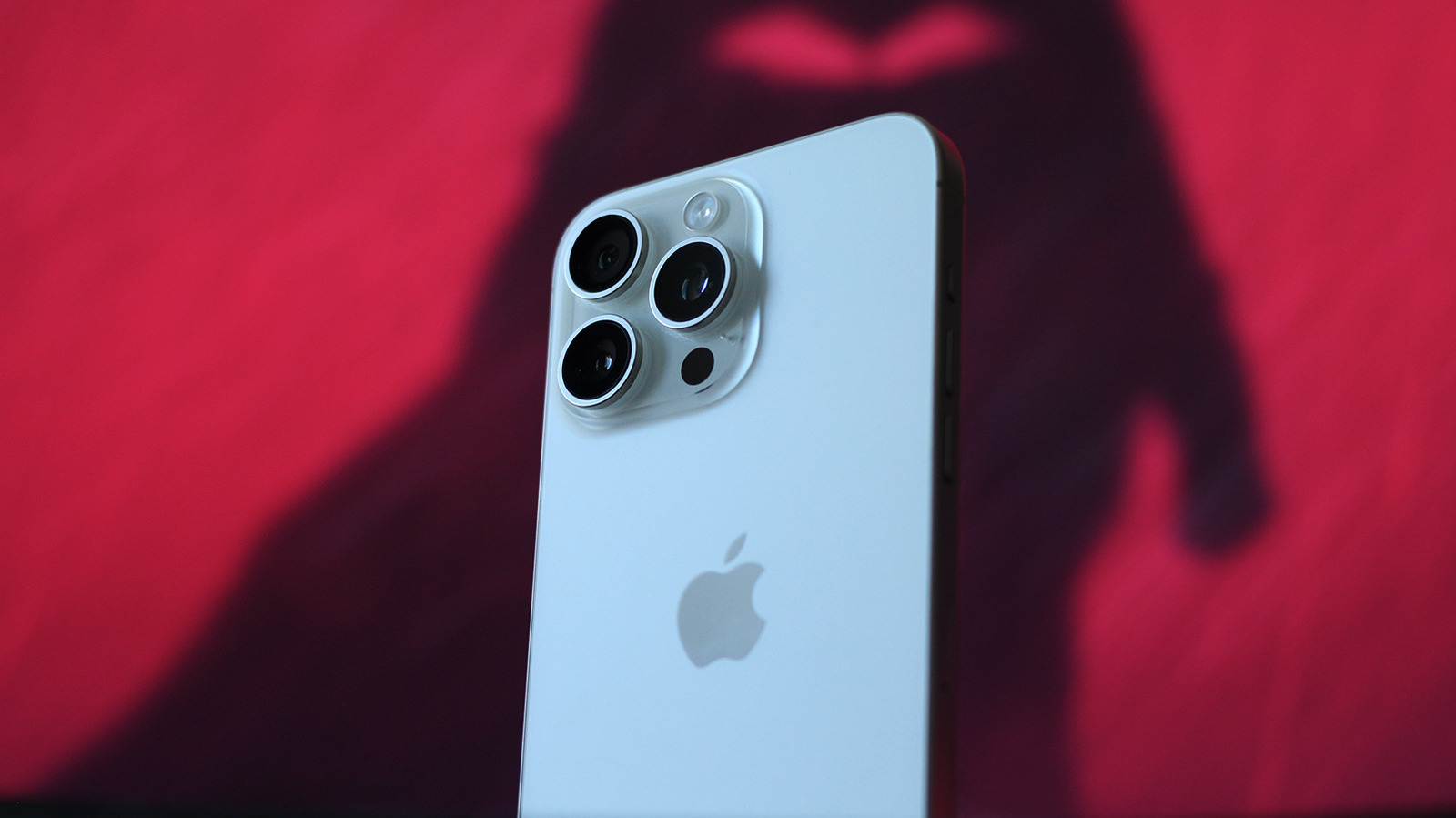
The downsides of switching from iPhone to Android
Key Points
The downsides of switching from iPhone to Android There are some things to consider before you take the leap. I've been an Android user my entire life, starting out with a Samsung Galaxy Ace, then sticking mostly with OnePlus phones thanks to their excellent value for money. I finally made the big switch to iOS with the iPhone 15 Pro Max — driving it through three iterations of the OS before jumping back to Android with the OnePlus 15.
The downsides of switching from iPhone to Android
There are some things to consider before you take the leap.
I've been an Android user my entire life, starting out with a Samsung Galaxy Ace, then sticking mostly with OnePlus phones thanks to their excellent value for money. I finally made the big switch to iOS with the iPhone 15 Pro Max — driving it through three iterations of the OS before jumping back to Android with the OnePlus 15. As premium as the iPhone experience was, there are things that Android just handled better for me, so I assumed the switch back would feel like coming home. It did in many ways, but I can now see why there's friction when moving between the two platforms.
The switch itself is no longer the headache it used to be. You don't need third-party apps just to be able to migrate, say, your WhatsApp chats from iOS to Android. Plus, if you're already tied into the Google suite, things like your contacts, photos and calendar events are automatically carried over. If you pay for Apple services like iCloud+, you can still access your files via a browser, but it would make more sense to switch to Google One, which works better for Android.
Generally speaking, iPhones also have most Android phones beat on the software front. Manufacturers like Google and Samsung promise up to seven years of OS updates, but Apple has a proven track record of delivering long-term software support. Most Android manufacturers still only offer around three or four years of updates.
Apple really locks you into its ecosystem
You may need to go through a few hurdles switching from an iPhone to an Android smartphone, but you will eventually find a setup of apps and services that works just as well. This is assuming you haven't gone all-in on Apple's ecosystem of apps and devices. While a few services like Apple Music work just fine on Android devices, others don't play nearly as nicely outside Apple's walled garden.
AirPods can connect to Android phones, for instance, but they lose many of the features that make them work so seamlessly with an iPhone. There are third-party tools you can install, like LibrePods, but features like Spatial Audio with head tracking still aren't reliable enough. The situation is worse if you own an Apple Watch — it simply doesn't pair to an Android device. You will need to keep an iPhone handy if you wish to sync your workouts and health data to the cloud.
That said, Google has been making valiant efforts in bridging the gap between Android and iOS users. In fact, a couple of modern Android smartphones can now share or receive files with iPhones, iPads and Macs through AirDrop. RCS messaging being finally available on the iPhone is great news too, but iMessage still remains exclusive to Apple devices. You might also need to find alternatives to a few apps that are only available on iOS. For instance, I was a bit saddened to find out that Flighty, my flight tracking app of choice (which I pay a subscription for), isn't available on Android.
The iOS experience is better in some ways
My major gripe with iOS is how terrible its keyboard is. Android is also generally much better when it comes to file management and handling downloads. That said, there are a few niceties you may miss after your switch. iOS does a much better job with design consistency. Sure, the Liquid Glass overhaul was quite polarizing, but something about third-party apps adopting a unified design language makes the iPhone experience feel more cohesive. Plus, it doesn't really help how many Android manufacturers seem to be chasing the same translucent look with half-baked interpretations of Liquid Glass, making everything look worse than before, in my opinion.
You may also have heard people saying how the quality of apps is better on iPhone. I don't think the sentiment is true for every app, but there are definitely instances where the iOS version feels more polished. It likely just comes down to the fact that app developers only have a finite number of iPhones to optimize their apps for compared to the thousands of Android phone models that are released every year with varying screen sizes, internals and software versions.
The iPhone's hardware is another aspect you may find tough to leave behind. There are definitely quite a few Android smartphones with comparable or even better hardware, but iPhones do a better job at maintaining a consistent level of quality across the entire lineup. Even if you're shopping for a base model iPhone, you wouldn't have to worry about build quality, haptics, speakers or the camera experience.